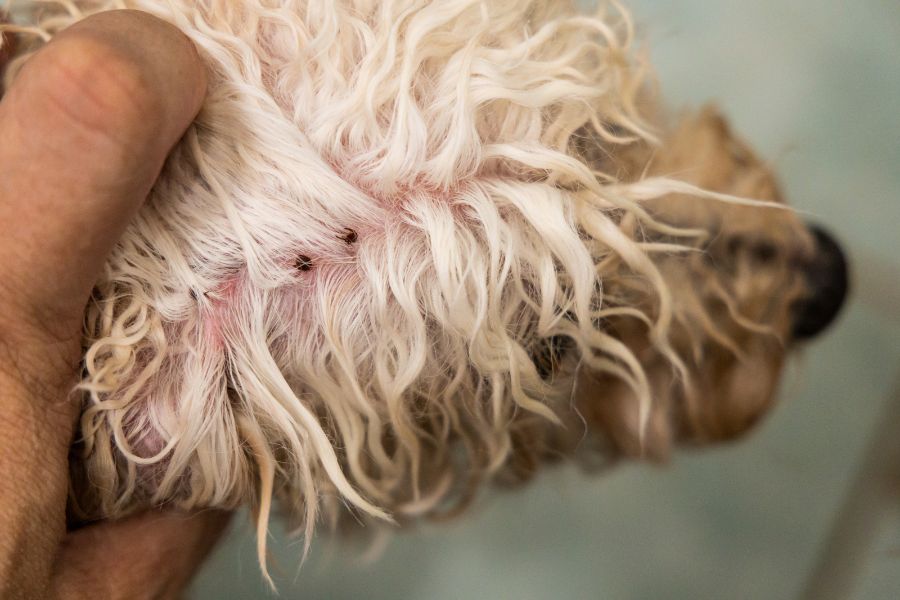
Skin irritation in pets often begins with scratching, licking, redness, or recurring ear trouble. Many pet owners assume allergies are the only reason behind these symptoms and try over-the-counter allergy medication first. Some pets improve briefly, while others continue struggling with discomfort, fur loss, odor, and painful skin changes.
Ongoing skin problems may point to deeper concerns that require advanced testing. This blog explains five signs that your dog or cat may need a veterinary dermatologist instead of depending only on allergy medication. You will also learn how recurring infections, unusual skin texture, and constant irritation can affect your pet’s comfort and daily routine. Early attention helps reduce long-term discomfort for pets in Florence.
Why Persistent Skin Problems Matter
Healthy skin protects pets from bacteria, parasites, and environmental irritation. Constant scratching damages the barrier. Pets with untreated skin conditions may experience pain, sleep disruption, and behavioral changes.
Allergy medication sometimes reduces itching temporarily. Chronic skin irritation may be connected to food sensitivities, fungal infections, parasites, hormone imbalance, or immune-related conditions.
Sign 1: Constant Scratching That Never Stops
Occasional scratching is normal. Persistent itching that lasts for weeks is not. Pets that scratch throughout the day or wake up at night because of irritation may have a more serious skin condition.
Red or Inflamed Skin
Redness around the paws, belly, ears, or tail area often signals ongoing inflammation beneath the surface.
Excessive Licking or Chewing
Pets repeatedly lick painful areas to relieve discomfort. This behavior can worsen irritation and damage healthy skin.
Open Sores
Continuous scratching sometimes creates wounds that increase the chance of infection.
Sign 2: Recurring Ear Problems and Strong Odor
Skin conditions and ear infections are closely connected. Pets with chronic irritation often develop repeated ear discomfort, discharge, or strong odor. Medication may help temporarily, though recurring symptoms usually mean the main trigger remains untreated.
Frequent Head Shaking
Pets with ear discomfort commonly shake their heads or rub against furniture.
Dark Ear Discharge
Excess buildup inside the ears may indicate inflammation, yeast overgrowth, or bacterial infection.
Persistent Odor
Strong smells coming from the ears or skin often suggest an active condition needing professional attention.
Sign 3: Hair Loss and Changes in Skin Texture
Hair loss is not always connected to seasonal shedding. Patchy fur, flaky skin, crusty areas, or rough texture may signal an underlying medical issue. Long-term inflammation can permanently damage the skin when ignored for too long.
Bald Patches
Small areas without fur may spread rapidly without proper diagnosis and treatment.
Dry or Flaky Skin
Flaking often appears alongside redness, irritation, and excessive scratching in pets with chronic skin problems.
Darkened Skin
Discolored or thickened skin may develop after months of untreated inflammation and irritation.
Sign 4: Skin Problems Keep Returning After Treatment
Some pets improve briefly after medication, then develop the same symptoms again within weeks. Recurrent infections and flare-ups usually mean the original cause has not been identified correctly.
Seasonal Irritation
Symptoms may worsen during certain seasons because of pollen, grass, humidity, or environmental triggers.
Recurring Hot Spots
Painful, moist lesions can return repeatedly when irritation continues.
Repeated Infections
Ongoing bacterial or yeast infections often require deeper testing and a customized treatment plan.
Sign 5: Your Pet Seems Uncomfortable or Less Active
Skin disease affects more than appearance. Pets dealing with chronic irritation often become restless, withdrawn, or less playful. Constant discomfort can interfere with sleep, appetite, and normal daily habits.
Some pets avoid touch because irritated skin feels painful. Others hide more frequently or become unusually sensitive around affected areas. Early care can improve both skin health and overall comfort.
When to Seek Professional Help
Pet owners should monitor skin changes carefully. Persistent itching, recurring infections, unusual odor, or hair loss should never be ignored. Delayed treatment may allow conditions to worsen and become harder to manage over time.
At Palmetto Animal Hospital, we provide compassionate care, detailed skin evaluations, and personalized treatment plans that support healthier skin and greater comfort for your pet. Book an appointment with our team to help identify the source of irritation and create long-term solutions for lasting relief.
Conclusion
Skin conditions can affect your pet’s comfort, behavior, and quality of life. Simple allergy medication may not always provide lasting relief. Recognizing recurring irritation, infections, fur loss, and unusual skin changes can help you seek the right care before problems become more severe.
If you are located in Florence, connect with Palmetto Animal Hospital, where compassionate care and strong community support come together for your pet’s well-being.
Frequently Asked Questions(FAQs):
1. How do I know if my pet’s itching is serious?
A: If scratching continues for several weeks, causes hair loss, or creates sores, your pet may need a professional skin evaluation instead of basic allergy treatment.
2. Can food allergies cause skin problems in pets?
A: Yes. Food sensitivities may lead to redness, ear infections, itching, and recurring irritation in both dogs and cats.
3. Why do skin infections keep returning after medication?
A: Recurring infections often happen because the original trigger, such as allergies or inflammation, has not been properly identified and managed.
4. Is hair loss always caused by allergies?
A: No. Hair loss may also result from fungal infections, parasites, hormone imbalance, or excessive scratching linked to chronic irritation.
5. Can skin disease affect my pet’s behavior?
A: Yes. Pets experiencing ongoing discomfort may become restless, withdrawn, sensitive to touch, or less interested in normal activities.
6. When should I schedule a skin evaluation?
A: You should schedule an appointment if your pet has constant itching, odor, recurring ear issues, hair loss, or worsening skin irritation today.