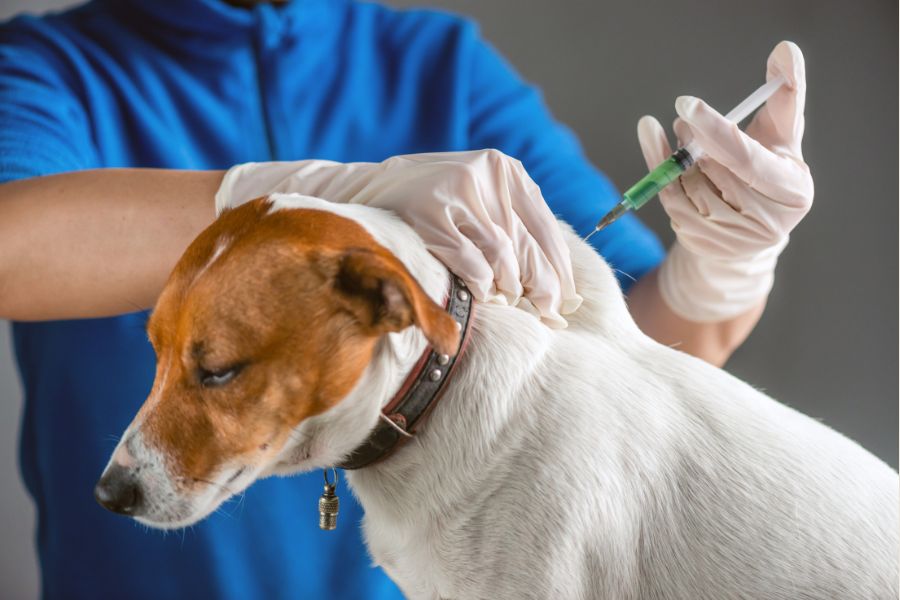
Bringing home a new puppy is exciting. You buy the toys, set up a cozy bed, and start thinking about training. One of the most important steps in those early weeks is vaccination. Core vaccines for dogs protect puppies from serious and often life-threatening diseases.
If you have ever wondered when your puppy should get shots, what each vaccine covers, or how long protection lasts, this guide will walk you through it in simple terms. By the end, you will feel confident about your puppy’s vaccination timeline and how it fits into lifelong health.
Why Vaccines Matter in the First Year
Puppies are born with some protection from their mother’s milk. These maternal antibodies help in the first weeks of life. But they fade over time. As that protection drops, puppies become vulnerable to viruses and bacteria in their environment.
Diseases like parvovirus and distemper spread easily. They can live in soil, on shoes, in parks, and on shared surfaces. Many of these illnesses are preventable with core vaccines for dogs.
Vaccines work by training your puppy’s immune system to recognize and fight specific germs. The immune system builds memory. If your dog is exposed later, the body responds quickly and strongly.
Vaccination is not just about your puppy. It also helps protect other dogs in your community.
What Are Core Vaccines for Dogs?
Core vaccines are the shots recommended for all puppies, regardless of breed, size, or lifestyle. These vaccines protect against diseases that are widespread, severe, or pose a risk to public health.
The Core Vaccines Include:
- Canine Distemper
- Canine Parvovirus
- Canine Adenovirus (Hepatitis)
- Rabies
Distemper, parvovirus, and adenovirus are often combined into a single shot known as the DA2PP or DHPP vaccine. Rabies is given separately.
Let’s look at each one more closely.
Canine Distemper
Distemper is a serious viral disease that affects the respiratory, digestive, and nervous systems. It spreads through airborne exposure and close contact.
Symptoms may include:
- Fever
- Nasal discharge
- Cough
- Vomiting
- Seizures
Distemper can be fatal, especially in young puppies. Vaccination offers strong protection. Core vaccines for dogs include distemper because the disease is widespread and dangerous.
Canine Parvovirus
Parvovirus is highly contagious and spreads through contaminated feces and surfaces. It can survive in the environment for months.
Symptoms often include:
- Severe vomiting
- Bloody diarrhea
- Lethargy
- Dehydration
Parvo attacks the lining of the intestines and can lead to a rapid decline. Puppies are at the highest risk. Vaccination is the most reliable way to prevent infection. This is one of the most critical parts of core vaccines for dogs.
Canine Adenovirus (Hepatitis)
Canine adenovirus type 1 causes infectious hepatitis. It affects the liver, kidneys, eyes, and blood vessels.
Signs may include:
- Fever
- Abdominal pain
- Jaundice
- Bleeding problems
Vaccination protects against this virus and helps prevent long-term organ damage.
Rabies
Rabies is a viral disease that affects the nervous system. It is transmitted through bites from infected animals and is almost always fatal once symptoms appear.
Rabies is also a public health concern. Many states require rabies vaccination by law.
Because rabies can affect humans, it is considered one of the most important core vaccines for dogs. Your veterinarian will follow state guidelines for timing and boosters.
Puppy Vaccination Timeline: What to Expect
Vaccines are not given all at once. Puppies need a series of shots to build strong immunity.
6–8 Weeks of Age
- First DA2PP (distemper, adenovirus, parvovirus)
This is usually the first step in the core vaccines for dogs schedule.
10–12 Weeks of Age
- Second DA2PP
At this stage, maternal antibodies are fading. The booster strengthens the immune response.
14–16 Weeks of Age
- Third DA2PP
- Rabies vaccine (based on state law and veterinarian guidance)
This final booster in the puppy series helps ensure full protection.
Your veterinarian may adjust the timing slightly based on your puppy’s health, risk level, and local disease patterns.
Why Multiple Boosters Are Necessary
Many pet owners ask why puppies need several rounds of the same vaccine.
The answer lies in maternal antibodies. These antibodies can block a vaccine from working if given too early. Because we cannot predict exactly when maternal immunity fades, vaccines are given in a series. This approach increases the chance that at least one dose will create strong, lasting immunity.
Core vaccines for dogs follow this structured schedule to close any gaps in protection.
What Happens After the Puppy Series?
Once the initial series is complete, your puppy is not finished with vaccinations.
One-Year Booster
About one year after the last puppy vaccine:
- DA2PP booster
- Rabies booster (depending on local laws)
Ongoing Boosters
After the one-year visit:
- DA2PP is often given every three years
- Rabies may be required every one to three years, based on state regulations
Your veterinarian will create a long-term plan based on your dog’s risk and lifestyle.
Vaccines are part of complete pet wellness care, which includes exams, parasite prevention, nutrition guidance, and dental health.
Are Core Vaccines Safe?
Vaccines go through strict testing for safety and effectiveness. Most puppies tolerate vaccines well.
Common mild side effects may include:
- Sleepiness
- Mild soreness at the injection site
- Slight fever
These signs usually resolve within a day or two.
Serious reactions are rare. Signs of an allergic reaction may include:
- Facial swelling
- Hives
- Vomiting
- Difficulty breathing
If you notice these symptoms, contact your veterinarian right away.
The benefits of core vaccines for dogs far outweigh the risks for most puppies.
How to Prepare for Your Puppy’s Vaccine Visit
You can make vaccine appointments easier with a few simple steps:
- Bring any previous medical records
- Keep your puppy on a leash or in a carrier
- Avoid high-risk areas like dog parks until the vaccine series is complete
- Ask questions about what to expect after the visit
Clear communication with your veterinarian helps you make informed decisions.
Conclusion: Protecting Your Puppy Starts Early
Your puppy depends on you for safety and care. Core vaccines for dogs protect against some of the most serious and contagious diseases your pet may face. The timeline may seem detailed, but each step plays a role in building strong immunity.
Start vaccinations at the right age. Follow through with boosters. Keep open communication with your veterinarian. These actions reduce risk and support a healthy future.
If your puppy is approaching vaccination age or needs a booster, now is the time to schedule a consultation with us. A clear plan today can prevent serious illness tomorrow.
Your puppy’s first year sets the tone for a lifetime of health. Make vaccination a priority and move forward with confidence.
Building a Long-Term Protection Plan
Vaccination is not a one-time event. It is part of a larger health strategy.
A thoughtful plan includes:
- A clear vaccination schedule
- Routine wellness exams
- Parasite control
- Balanced nutrition
- Regular dental care
Core vaccines for dogs form the foundation. From there, your veterinarian may recommend non-core vaccines based on your dog’s lifestyle, such as bordetella or leptospirosis.
The key is transparency. You should always understand:
- What your puppy is receiving
- Why is it recommended
- How often are boosters needed
- What side effects to watch for
When you feel informed, you make better choices for your dog.
Common Questions About Core Vaccines for Dogs
1. What happens if I miss a booster?
If a booster is late, your veterinarian may recommend restarting or adjusting the schedule. Timing matters because immunity can fade without reinforcement.
2. Can my puppy go outside before finishing vaccines?
Yes, but with caution. Avoid areas with unknown dogs or heavy traffic, like dog parks. Stick to controlled environments.
3. Are indoor dogs still at risk?
Yes. Viruses like parvovirus can be carried inside on shoes and clothing. Core vaccines for dogs are recommended even for mostly indoor pets.
4. Do small breeds need different vaccines?
No. Core vaccines are the same for all breeds. The dose does not change based on size.
5. How long does protection last?
After the initial series and one-year booster, many core vaccines protect for three years. Your veterinarian will confirm the right schedule.
6. Can vaccines be given with other treatments?
Yes. Vaccines are often given during routine checkups. Your veterinarian will decide if your puppy is healthy enough for vaccination that day.