This guide explains the most common growth-related conditions seen in dogs, what owners notice first, how each type behaves, and when care matters most. It offers clear signs, plain explanations, and practical expectations.
Neoplasia in Dogs appears in many forms, from skin lumps to internal changes, and early attention shapes outcomes. Readers gain a calm overview without heavy medical language, plus next steps for informed decisions.
What Neoplasia Means for Dogs
Neoplasia describes abnormal cell growth that forms a mass or lesion. Some grow slowly and stay localized. Others spread and affect organs. Age, breed, and environment influence risk. Many dogs live well with timely care. Owners play a key role by spotting changes early and seeking evaluation.
Skin and Soft Tissue Growths
Skin masses rank among the most noticed findings.
1. Lipomas
Lipomas feel soft and move under the skin. They appear in middle-aged and older dogs. Many remain harmless and painless. Monitoring size and comfort often suffices unless movement or irritation occurs.
2. Mast Cell Tumors
These vary in look and behavior. Some stay small. Others grow fast or ulcerate. Redness, itching, or swelling can appear. Prompt checks help guide treatment choices.
3. Fibromas and Histiocytomas
Fibromas tend to grow slowly and feel firm. Histiocytomas appear in younger dogs and often shrink on their own. A quick exam confirms which path fits.
Mammary Growths
Mammary lumps appear more often in unspayed females. Size, number, and firmness vary. Early spaying lowers risk. Any new lump along the mammary chain deserves attention since behavior ranges from benign to aggressive.
Oral and Facial Tumors
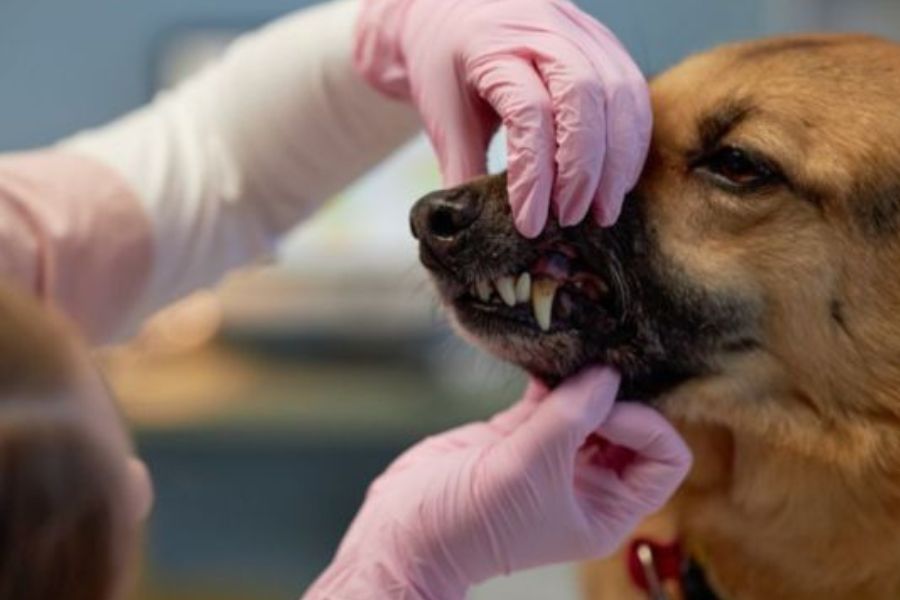
Mouth growths affect eating and comfort.
1. Melanomas
Oral melanomas often appear dark and raised. They can cause bad breath. Early care matters because spread can occur.
2. Gingival Growths
Some gum masses grow from the tooth line. Many stay localized. Treatment focuses on comfort and function.
Bone Tumors
Bone pain signals concern. Limping, swelling, or sudden fractures raise alarms.
Osteosarcoma
This aggressive cancer affects large breeds more often. Pain and swelling near long bones appear first. Early imaging clarifies options and quality of life goals.
Lymph Node and Blood Related Cancers
These affect the immune system.
1. Lymphoma
Swollen lymph nodes, tiredness, and appetite changes appear. Many dogs respond well to care that controls symptoms and extends good time.
2. Leukemia
Blood cancers alter energy and infection resistance. Signs include weakness and pale gums. Diagnosis relies on blood tests.
Brain and Nervous System Tumors
Behavior changes, seizures, or balance issues can point to brain involvement. Some grow slowly. Imaging guides care plans focused on comfort.
Digestive Tract Tumors
Vomiting, weight loss, or stool changes persist. Masses may form in the stomach or intestines. Early checks help distinguish treatable causes from serious disease.
When to See a Professional
Any new lump, rapid change, pain, bleeding, or lasting behavior shift warrants evaluation. In Florence, owners often notice skin changes during grooming or play. Keep notes and photos to track growth.
Diagnosis and Care Basics
Evaluation starts with a physical exam. Fine needle samples or imaging can clarify the type. Treatment ranges from monitoring to surgery or medication. Plans match the dog, the family, and the goals.
Neoplasia in Dogs requires tailored decisions rather than one path for all. Clear communication matters. Ask about benefits, risks, and costs. Write questions ahead of visits. Shared decisions reduce stress and keep care aligned with your values. Bring photos, timelines, and concerns to support accurate assessments and timely follow-up.
Living Well After a Diagnosis
Many dogs maintain joy and routine. Pain control, nutrition, and gentle exercise support comfort. Honest discussions help set expectations and measure success by good days.
Risk Factors and Breeds
Certain breeds show higher rates for specific growths. Large breeds face more bone issues. Boxers and retrievers show more skin masses. Age increases risk across all dogs. Sun exposure affects lightly pigmented skin. Hormonal status influences mammary lumps. These patterns guide awareness, not predictions.
What Owners Can Do at Home
Check your dog during calm moments. Feel for new bumps and note the size with a ruler. Watch eating, energy, and movement. Keep routines steady. Share clear notes at visits. Simple habits support early action and peace of mind.
Prognosis and Follow-Up
Outcomes depend on type, location, and timing. Many dogs do well with early care and thoughtful plans. Follow-up visits track comfort and response. Adjustments happen as needs change. Clear goals keep focus on the quality of life.
Local Perspective and Next Steps
Families in Florence, SC, value clear guidance and steady support. Palmetto Animal Hospital offers evaluations tailored to each dog’s individual needs. If you notice changes, book an appointment with Palmetto Animal Hospital to discuss options. Neoplasia in Dogs does not define a dog’s life; timely care protects comfort and connection.
Frequently Asked Questions(FAQs):
1. What causes growths in dogs?
A: Genetics, age, hormones, and environment influence risk. Many growths have no single cause. Regular checks catch changes early and guide next steps without panic.
2. Are all lumps cancer?
A: No. Many lumps stay benign. Size, texture, and growth rate matter. An exam confirms the type and avoids guesswork that leads to stress.
3. How fast do tumors grow?
A: Rates vary by type. Some change little for years. Others grow over weeks. Tracking size weekly helps identify concerning patterns.
4. Can diet prevent cancer?
A: No diet guarantees prevention. Balanced meals support health and recovery. Avoid claims that promise cures without evidence.
5. Can diet prevent cancer?
A: No diet guarantees prevention. Balanced meals support health and recovery. Avoid claims that promise cures without evidence.
6. Is surgery always needed?
A: Not always. Some masses need only monitoring. Decisions consider comfort, location, and the behavior of the growth.
7. Do dogs feel pain from tumors?
A: Pain depends on type and location. Bone and oral tumors often hurt. Early care improves comfort.
8. How often should dogs be checked?
A: Annual exams suit young adults. Seniors benefit from twice-yearly visits. Any sudden change deserves a closer look.