Your pet depends on you to notice when something feels wrong. Some health issues develop quietly, while others appear suddenly and demand fast action. This guide explains the most urgent warning signs, what they might mean, and how to respond quickly and calmly.
You will learn how to spot breathing problems, severe pain, sudden behavior changes, digestive distress, and other red flags. Acting early can prevent complications and protect your companion’s long-term health. If you live in Florence, SC, understanding these warning signs can make all the difference during an emergency.
1. Sudden Changes in Breathing
Breathing problems should never be ignored. If your dog or cat is gasping, wheezing, breathing with an open mouth, or struggling to inhale, seek help immediately. Rapid breathing while resting is also concerning.
Possible causes include allergic reactions, heart issues, infections, or choking. Check for pale or blue gums. Keep your pet calm and avoid unnecessary movement. Difficulty breathing can escalate within minutes, so immediate evaluation is critical.
2. Collapse, Fainting, or Extreme Weakness
If your pet suddenly collapses, seems disoriented, or cannot stand, treat it as urgent. Weakness may appear as wobbling, dragging legs, or refusing to rise.
These signs could point to heart problems, toxin exposure, internal bleeding, or heatstroke. Monitor gum color and body temperature if possible. Transport your pet safely and gently to prevent further injury.
3. Uncontrolled Vomiting or Diarrhea
Occasional stomach upset happens. Repeated vomiting, bloody diarrhea, or symptoms lasting more than 24 hours require medical attention. Puppies, kittens, and senior pets are especially vulnerable to dehydration.
Watch for signs such as dry gums, lethargy, or refusal to drink water. Persistent digestive problems may signal infections, blockages, or serious pet sickness that needs prompt care.
4. Severe Pain or Sensitivity
Pets hide discomfort well. Signs of pain include whining, growling when touched, limping, trembling, or avoiding movement. Some pets isolate themselves or stop eating.
Swelling, visible wounds, or sudden stiffness are warning signs. Pain can result from injury, fractures, infections, or internal problems. Immediate evaluation helps prevent worsening conditions.
5. Seizures or Unusual Behavior
Seizures can appear as shaking, paddling legs, drooling, or loss of awareness. Even a brief episode warrants a call to your veterinarian.
Sudden aggression, confusion, pacing, or staring into space can also signal neurological concerns. Keep your pet away from stairs or sharp objects during an episode. Note the duration and frequency to share with the medical team.
6. Bloated or Swollen Abdomen
A distended abdomen that appears suddenly is a serious concern, especially in large dog breeds. Signs may include restlessness, unproductive retching, or visible discomfort.
Abdominal swelling can indicate gas buildup, internal bleeding, or organ issues. Immediate intervention can be lifesaving.
7. Difficulty Urinating or Defecating
Straining in the litter box or during walks, crying while urinating, or producing little to no urine should not be ignored. Male cats are particularly at risk for urinary blockages.
Untreated urinary issues can lead to severe complications. Early detection improves outcomes and reduces discomfort.
8. Pale Gums or Excessive Bleeding
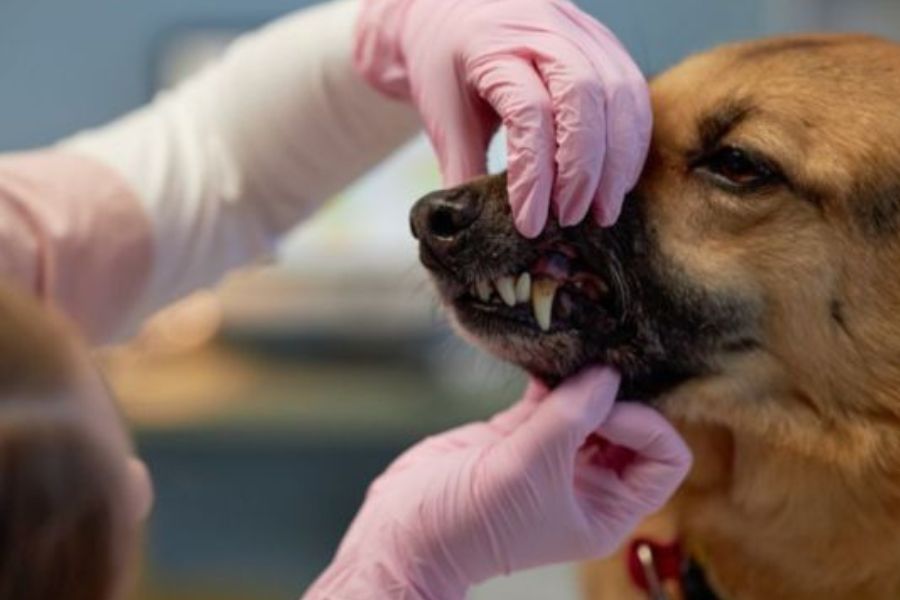
Healthy gums are pink and moist. Pale, white, or bluish gums signal oxygen or circulation problems. Excessive bleeding from minor wounds may suggest clotting disorders.
Check gum color by gently lifting the lip. If abnormal, seek care immediately.
9. Heatstroke Symptoms
South Carolina summers can be intense. Heavy panting, drooling, vomiting, weakness, or collapse after outdoor activity may indicate heatstroke.
Move your pet to a shaded, cool area. Offer small amounts of water. Avoid ice-cold baths. Seek professional help quickly, as overheating can cause organ damage.
10. Toxin Exposure
Household cleaners, certain plants, chocolate, medications, and automotive fluids can be toxic. If you suspect ingestion, call your clinic right away.
Do not induce vomiting unless instructed. Bring packaging or product information with you for accurate treatment guidance.
11. Refusing Food or Water
A skipped meal may not be alarming. Refusal to eat or drink for more than 24 hours signals a problem. Combined with lethargy, vomiting, or diarrhea, it requires immediate attention.
Loss of appetite often accompanies infection, dental pain, or internal illness. Quick action supports recovery.
Local Awareness Matters
Florence residents often enjoy walking pets at neighborhood parks and along shaded community trails. Exposure to wildlife, standing water, or discarded food increases health risks. Seasonal allergies, parasites, and extreme temperatures are common local concerns. Staying alert during outdoor activities helps prevent emergencies.
Transparency matters when your pet’s health is at stake. Ask questions. Request clear explanations. A trusted clinic should explain findings in simple language and outline next steps without confusion.
If you would like to understand the full range of preventive and urgent services available, visiting the clinic’s website provides detailed information about wellness exams, diagnostics, surgical care, and support resources. Knowing your options before an emergency reduces stress later.
When in Doubt, Call
You know your pet best. Sudden personality shifts, unusual hiding, or behaviors that feel out of character deserve attention. Early communication can prevent minor issues from becoming serious pet sickness.
Keeping emergency contact numbers saved in your phone ensures a faster response during urgent situations.
Conclusion
Recognizing warning signs early protects your pet from unnecessary suffering and complications. Breathing trouble, sudden weakness, uncontrolled vomiting, pain, seizures, bloating, urinary problems, and toxin exposure should never be ignored. Acting quickly improves outcomes and offers peace of mind. Clear communication, careful observation, and prompt evaluation make a meaningful difference in preventing advanced pet sickness.
We are conveniently located in Florence, SC, and welcome you to our facility at 2221 2nd Loop Rd, Florence, SC 29501—where compassionate care and community come together for your pet’s well-being. Schedule an appointment with Palmetto Animal Hospital.
Frequently Asked Questions(FAQs):
1. How do I know if vomiting is serious?
A: Vomiting becomes serious when it is frequent, contains blood, lasts more than a day, or comes with lethargy or diarrhea. Young and senior pets dehydrate quickly, so early medical advice is recommended.
2. What should I do if my pet eats something toxic?
A: Call your veterinarian immediately. Do not try home remedies unless instructed. Bring product packaging to the clinic to help identify the toxin and guide treatment quickly.
3. Are breathing changes always emergencies?
A: Labored breathing, gasping, or blue gums require urgent care. Mild panting after exercise may be normal. Observe closely and seek evaluation if breathing appears strained or unusual.
4. How can I prevent heatstroke in summer?
A: Provide shade, fresh water, and avoid midday walks. Never leave pets in parked cars. Watch for excessive panting, drooling, or weakness during hot South Carolina days.
5. When is limping considered urgent?
A: Limping after minor activity may improve with rest. Severe limping, swelling, crying in pain, or refusal to bear weight requires immediate examination to rule out fractures or injuries.
6. Why are pale gums dangerous?
A: Pale or white gums may indicate blood loss, shock, or oxygen problems. Checking gum color is a quick way to assess circulation. Seek urgent care if discoloration appears suddenly.