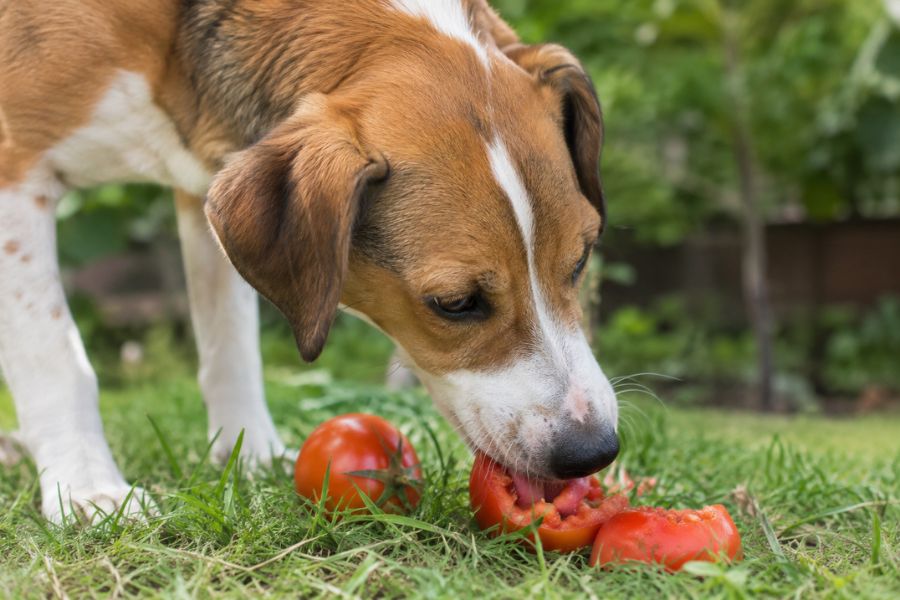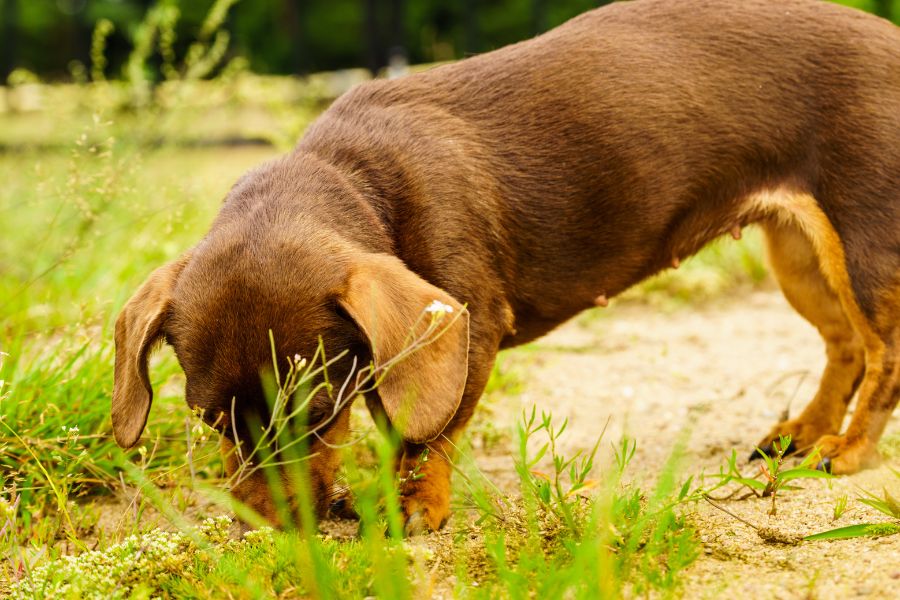
Dogs often exhibit quirky behaviors that baffle their owners, and one of the most common and curious habits is grass eating. If you’ve ever caught your dog munching on the lawn, you’re not alone.
This behavior can be driven by a variety of factors that blend instinct, nutrition, and emotional well-being. Understanding why your dog eats grass is key to ensuring they remain healthy and happy.
Why Grass? The Natural Instincts at Play
Dogs, despite being primarily carnivores, are descendants of wild canids that consumed plant matter as part of their diet. This ancestral instinct is still with them today. Eating grass may be a natural carryover from their ancestors, who supplemented their nutrition with occasional vegetation.
Furthermore, some dogs simply enjoy the taste and texture of fresh grass, finding it appealing or comforting as a sensory experience.
Curiosity and Exploration: Nature’s Way of Learning
Much like toddlers exploring the world around them, dogs use their mouths to investigate novel textures and tastes. Grass often feels cool and fresh, sometimes hiding insects or interesting smells, which can entice your pet’s curiosity.
For young dogs and puppies, especially, grass eating may just be a form of play or exploration rather than a sign of distress.
Digestion and Health: Grass as a Natural Aid
One significant reason behind grass eating is related to digestion. Some dogs eat grass to soothe an upset stomach or induce vomiting if they feel nauseous. Grass can act as a natural emetic.
Additionally, dogs that have a fiber deficiency in their diet may instinctively munch on grass to supplement this nutrient. High fiber is essential for smooth digestion, and insufficient fiber might prompt this behavior.
Behavioral Signals: When Boredom or Anxiety Strikes
Dogs left alone for long periods or those lacking sufficient mental and physical stimulation might resort to eating grass out of boredom or anxiety.
This is especially true during stressful situations or if your dog displays signs of separation anxiety. Such behaviors can become habitual if not addressed with proper engagement, exercise, and companionship.
Ensuring Your Dog’s Grass Eating is Harmless
While occasional grass eating is usually harmless, it is important to ensure the grass hasn’t been treated with harmful pesticides or herbicides. Toxic chemicals on lawns pose serious risks to pets.
Moreover, frequent or excessive grass eating accompanied by vomiting or lethargy might indicate an underlying health issue, which warrants a visit to a veterinary clinic for professional evaluation.
Tips to Manage and Understand Your Dog’s Grass Eating
- Provide a balanced diet rich in fiber and nutrients to reduce nutritional cravings.
- Increase your dog’s playtime and mental stimulation to prevent boredom-driven grass eating.
- Monitor their behavior and physical health for signs of illness or digestive discomfort.
- Regular vet checkups can help rule out underlying conditions causing this habit.
Understanding your dog’s grass-eating behavior helps you provide better care and enrich their lives. When in doubt, consulting a veterinary clinic in Florence, SC, is the best step to ensure your dog’s curiosity and health are well managed.
Frequently Asked Questions (FAQs)
1. What does it mean when dogs eat grass?
A: Dogs eating grass can mean different things, including instinct, dietary needs, or an upset stomach. It might also be a sign of boredom or curiosity.
2. Should I allow my dog to eat grass if they want to?
A: Allowing your dog to eat grass occasionally is generally safe, provided the grass is pesticide-free. However, if the behavior is excessive or harmful, consult your vet.
3. What nutrients might my dog lack if they frequently eat grass?
A: Frequent grass eating may indicate a fiber deficiency or an imbalance in the diet. Nutritional supplements or dietary adjustments might be necessary.
4. Do dogs eat grass to relieve sickness?
A: Some dogs do eat grass to soothe nausea or to vomit when feeling unwell. If this behavior is frequent, seek advice from a veterinary professional.