Living with cats while managing allergies can feel complicated. This guide explains what makes certain cats more suitable for sensitive households, highlights popular breed options, and shares practical ways to reduce allergens at home.
You will learn how grooming, environment, and expectations all play a role in comfort. By the end, you will have a clearer idea of what works best for your lifestyle. If you are exploring pet care options in Florence, this guide connects everyday needs with realistic solutions.
What Does “Hypoallergenic” Really Mean?
No cat is completely free of allergens. The term usually refers to breeds that produce fewer allergen proteins or spread them less through shedding. The main trigger is a protein found in saliva and skin flakes. When cats groom themselves, this protein spreads to the fur and surroundings.
Understanding this helps set expectations. A lower-allergen cat may reduce symptoms, though it may not remove them entirely. Individual reactions vary, so spending time with a breed before adoption helps in making a confident choice.
Popular Low-Allergen Cat Breeds
1. Siberian
The Siberian cat often surprises people with allergies. Despite a thick coat, many owners report fewer reactions. Their friendly and playful nature fits well with families and single owners alike.
2. Balinese
Often called a long-haired Siamese, the Balinese produces lower levels of allergen proteins. They enjoy interaction and tend to form strong bonds with their owners, making them engaging companions.
3. Bengal
Bengals have a short, dense coat that sheds less frequently. Their active personality requires space and enrichment. They suit households that enjoy interactive pets and regular play sessions.
4. Russian Blue
This breed has a plush coat that traps allergens rather than releasing them easily. Russian Blues are calm and reserved, making them ideal for quieter homes and structured routines.
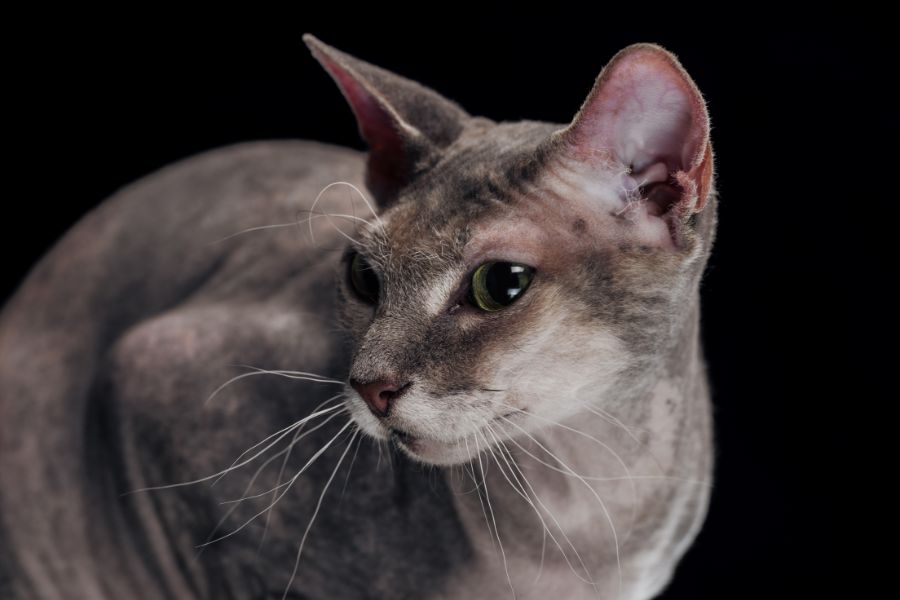
5. Devon Rex
With a soft, wavy coat, the Devon Rex sheds very little. Their unique appearance and social personality make them popular among those seeking a distinctive yet manageable pet.
Managing Allergies at Home
Even with carefully chosen cats, home management matters. Regular cleaning reduces allergen buildup. Vacuuming carpets, washing bedding, and wiping surfaces help maintain a comfortable environment.
Air purifiers can improve indoor air quality. Keeping certain areas, like bedrooms, pet-free creates relief zones. Consistent grooming also limits loose fur and dander. These habits support a more balanced living space.
Grooming and Care Considerations
Low-allergen cats still require consistent care. Brushing helps remove loose fur before it spreads around the home. Bathing, when appropriate, can reduce allergen levels temporarily.
Diet also plays a role. Healthy skin and coat condition can influence shedding patterns. Regular checkups ensure overall wellness. Grooming routines become easier when introduced gradually and paired with positive reinforcement.
Choosing the Right Cat for Your Lifestyle
Each breed brings unique traits. Activity level, personality, and grooming needs vary widely. Matching these traits with your daily routine prevents future challenges.
Spend time with the cat before adoption. Observe reactions over several visits. This step offers valuable insight into compatibility. Local shelters and breeders often allow interaction sessions, making informed decisions easier.
Local Care and Support
Access to reliable pet care services strengthens your experience as a cat owner. Routine visits, preventive care, and guidance help maintain your pet’s comfort and health. If you’re located in Florence and looking for trusted veterinary care near you, then consider connecting with Palmetto Animal Hospital to explore available services and support your pet’s long-term well-being.
Creating a Comfortable Home Environment
Simple adjustments make a noticeable difference. Choose furniture that is easy to clean. Use washable covers and curtains. Hard flooring reduces allergen buildup compared to carpets.
Designated grooming spaces help contain fur. Regularly washing pet items keeps allergens under control. Small changes, maintained consistently, create a more manageable environment for allergy-sensitive households.
Common Myths About Allergy-Friendly Cats
Many people assume short-haired cats always cause fewer reactions. This is not always true. Allergen levels depend more on protein production than coat length.
Another myth suggests that frequent bathing eliminates allergens. Bathing helps temporarily, though it does not remove the source. Understanding these details prevents unrealistic expectations and supports better decisions.
Conclusion
Choosing the right cat involves thoughtful planning and realistic expectations. Understanding how allergens work, selecting suitable breeds, and maintaining a clean environment all contribute to a better experience.
Hypoallergenic cat breeds offer a practical option for those who want companionship without constant discomfort. With the right approach, living with a cat becomes more manageable and enjoyable. We are conveniently located in Florence, SC. Reach out to our facility at 2221 2nd Loop Rd, Florence, SC 29501 – where compassionate care and community come together for your pet’s well-being.
Frequently Asked Questions(FAQs):
1. Are hypoallergenic cats completely safe for people with allergies?
A: No cat is entirely allergen-free. These breeds may reduce reactions, though sensitivity varies. Spending time with a specific cat before adoption helps determine personal tolerance and comfort levels in real-life settings.
2. How often should I groom a low-allergen cat?
A: Regular grooming once or twice a week helps manage shedding and dander. Frequency may vary based on coat type. Establishing a routine early keeps the process smooth and beneficial for both pet and owner.
3. Do air purifiers really help with cat allergies?
A: Air purifiers can improve indoor air quality by capturing airborne particles. They work best when combined with regular cleaning, grooming, and limiting pet access to certain areas within the home.
4. Is diet important for reducing allergens?
A: A balanced diet supports healthy skin and coat condition. While it does not eliminate allergens, proper nutrition can reduce excessive shedding, which helps manage the spread of allergen particles indoors.
5. Can children with allergies live with these cats?
A: Children with mild sensitivities may adapt to certain breeds. Supervised interaction and hygiene practices, like hand washing after contact, can help reduce reactions and create a safer environment.
6. Should I consult a professional before adopting a cat?
A: Consulting a healthcare provider or pet care professional offers clarity. They can guide you based on your allergy history and help you choose a breed that aligns with your needs and lifestyle.