Bringing a cat into your home is a long-term commitment. Every breed comes with its own personality, care needs, and lifestyle fit. If you’ve been drawn to the soft, teddy bear-like charm of the Ragamuffin cat, you’re not alone.
These cats are known for their affectionate nature and plush coats, but are they the right match for your home?
Let’s break it down in a clear, practical way so you can make a confident decision.
What Is a Ragamuffin Cat?
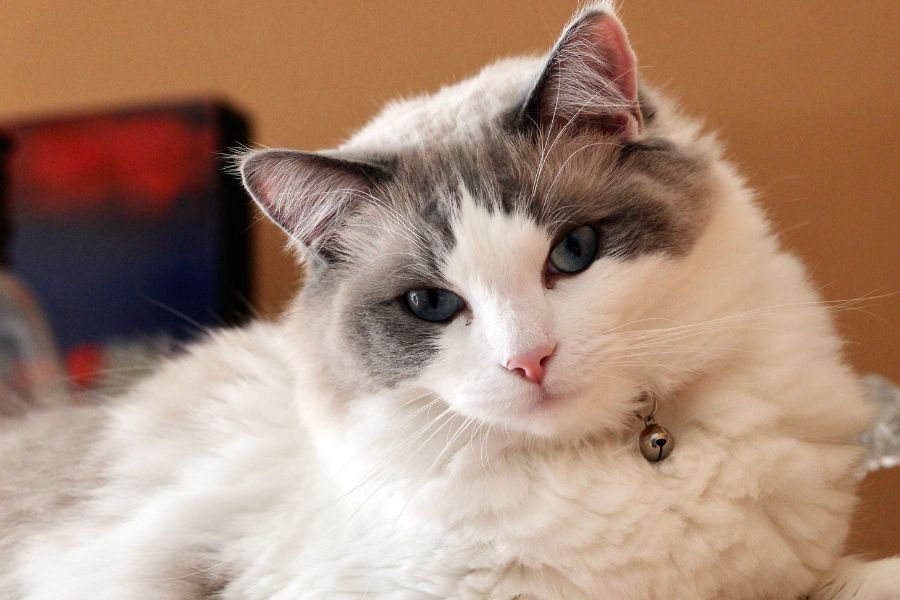
The Ragamuffin is a large, long-haired breed known for its calm temperament and people-first personality. They are closely related to the Ragdoll but have a wider range of coat colors and patterns.
What makes them stand out?
- Thick, soft fur that feels almost like a rabbit’s coat
- Large expressive eyes
- A sturdy, muscular build
- A tendency to go limp when picked up
They’re often described as “lap cats,” but that doesn’t fully capture how deeply they bond with their owners.
Key Personality Traits of a Ragamuffin
1. Gentle and Affectionate
Ragamuffins thrive on human interaction. They enjoy being held, following you from room to room, and curling up beside you at the end of the day.
If you want a cat that acts more like a companion than a roommate, this breed delivers.
2. Calm and Easygoing
These cats are not high-energy climbers or constant explorers. They prefer a relaxed environment and steady routines.
That makes them a strong fit for:
- Families with children
- Seniors
- First-time cat owners
3. Social but Not Demanding
They enjoy attention but are not overly vocal or needy. A Ragamuffin will sit quietly near you rather than demand constant play.
Pros of Owning a Ragamuffin Cat
1. Strong Emotional Bond
Ragamuffins connect deeply with their owners. They often greet you at the door and stay close throughout the day.
2. Great for Indoor Living
They are well-suited for indoor environments and don’t have a strong urge to roam. This helps keep them safe and reduces stress.
3. Good with Kids and Other Pets
Their patient nature makes them tolerant of children and adaptable to homes with dogs or other cats.
4. Low Aggression
This breed is rarely aggressive. Scratching or biting is uncommon when they are properly socialized.
5. Quiet and Adaptable
They adjust well to different home setups, whether you live in a small apartment or a larger house.
Cons of Owning a Ragamuffin Cat
1. Regular Grooming Required
That soft coat comes with responsibility. You’ll need to brush your Ragamuffin at least 2–3 times a week to prevent tangles and mats.
2. Prone to Weight Gain
Because they are less active, Ragamuffins can gain weight quickly. Portion control and light playtime are important.
3. Not Ideal for Long Absences
They form strong attachments. Leaving them alone for long hours regularly can lead to stress or loneliness.
4. Higher Maintenance Than Short-Haired Cats
Beyond grooming, they require consistent care and attention to keep them healthy and comfortable.
5. Indoor-Only Recommendation
Their trusting nature makes them vulnerable outdoors. They lack strong survival instincts compared to more independent breeds.
Ragamuffin Care Requirements
1. Grooming Needs
A Ragamuffin’s coat doesn’t mat as easily as some long-haired breeds, but it still needs routine care.
- Brush 2–3 times per week
- Check for knots around the neck and legs
- Trim nails regularly
- Keep ears clean
2. Diet and Nutrition
Feed a balanced, high-quality diet with controlled portions. Avoid free-feeding unless guided by your vet.
Watch for:
- Sudden weight gain
- Low activity levels
- Changes in appetite
3. Exercise and Enrichment
They don’t need intense exercise, but they do benefit from daily interaction.
- Gentle play sessions
- Puzzle toys
- Window perches
Is a Ragamuffin Right for Your Lifestyle?
Here’s a simple way to think about it:
A Ragamuffin may be right for you if:
- You want a calm, affectionate cat
- You spend a good amount of time at home
- You enjoy grooming and bonding routines
It may not be the best fit if:
- You travel often or work long hours
- You prefer a low-maintenance pet
- You want a highly active or independent cat
Common Misconceptions About Ragamuffins
“They are lazy.”
They’re not lazy. They’re relaxed. With proper stimulation, they stay engaged and healthy.
“They don’t need grooming.”
Their coat may resist matting, but skipping grooming will still lead to issues over time.
“They are fragile.”
They are sturdy cats with a solid build. They just prefer a calm lifestyle.
Tips Before Bringing One Home
- Meet the cat in person if possible
- Ask about health history and breeding practices
- Prepare your home with grooming tools and essentials
- Plan your daily schedule to include interaction time
If you’re still unsure, take time to research and visit our website for more helpful pet care resources that guide responsible ownership.
Conclusion: Making the Right Choice
The Ragamuffin is not just a beautiful cat. It’s a companion that thrives on connection, routine, and care.
If your lifestyle supports that level of attention, you’ll likely find this breed incredibly rewarding. They offer steady companionship, emotional warmth, and a calm presence that fits well into many homes.
If your schedule is unpredictable or you prefer a more independent pet, it may be worth exploring other breeds.
The goal is simple: match the cat to your life, not the other way around.
Take your time, ask the right questions, and choose a pet you can fully commit to.
FAQs About Ragamuffin Cats:
1. Are Ragamuffin cats good for first-time owners?
A: Yes. Their calm temperament and friendly nature make them easy to handle for beginners.
2. How often should I groom a Ragamuffin?
A: At least 2–3 times a week to keep their coat clean and free of tangles.
3. Do Ragamuffin cats shed a lot?
A: They do shed, especially during seasonal changes, but regular brushing helps manage it.
4. Can Ragamuffins be left alone during the day?
A: Short periods are fine, but they do best in homes where someone is around regularly.
5. Are Ragamuffin cats hypoallergenic?
A: No. They still produce allergens like other cats.
6. How long do Ragamuffin cats live?
A: With proper care, they typically live between 12 and 16 years.