If you share your home with a cat, you have likely faced the same problem: a shredded couch corner or scratched wooden table. It can feel frustrating, but scratching is not bad behavior. It is a natural and necessary part of your cat’s life.
The good news is that you can redirect this behavior without punishment or stress. This guide explains why cats scratch furniture and gives clear, practical steps on how to stop cats from scratching furniture while keeping your cat comfortable and confident.
Why Do Cats Scratch Furniture?
Understanding the reason behind the behavior is the first step toward solving it.
1. Scratching Is Instinctive
Cats are born with the urge to scratch. It helps them stretch their muscles, especially in the shoulders and back, and keeps their claws healthy.
2. Marking Territory
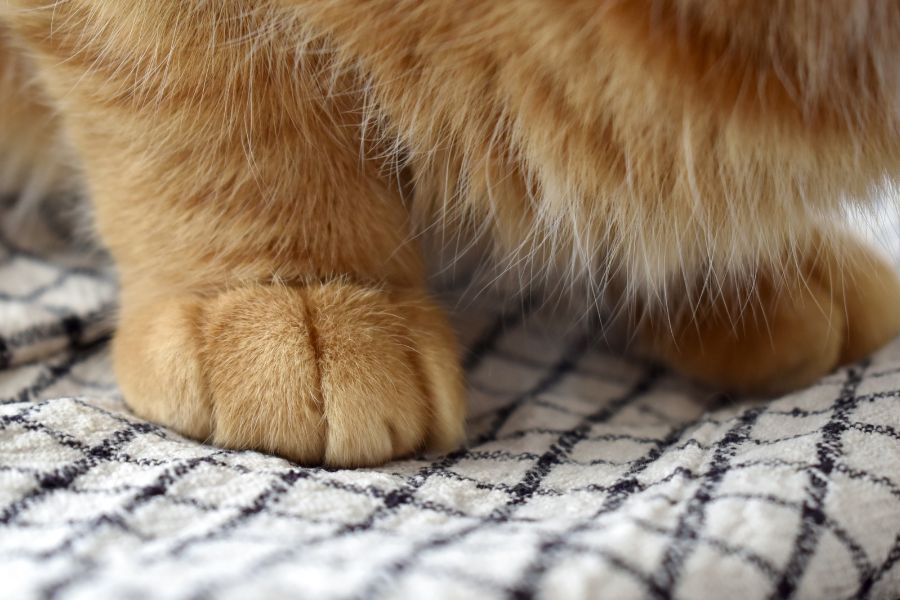
Cats have scent glands in their paws. When they scratch, they leave both a visual mark and a scent signal. This helps them feel secure in their space.
3. Stress Relief
Scratching can increase when a cat feels anxious. Changes like new pets, visitors, or even rearranged furniture can trigger it.
4. Attention-Seeking Behavior
If your cat notices that scratching furniture gets your attention, even negative attention, they may repeat it.
5. Lack of Proper Alternatives
If your cat does not have a good scratching post or surface, your furniture becomes the next best option.
How Do I Stop Cat Scratching Furniture?
There is no single quick fix. The most effective approach combines redirection, environmental changes, and consistency.
How to Stop Cats from Scratching Furniture: Practical Solutions
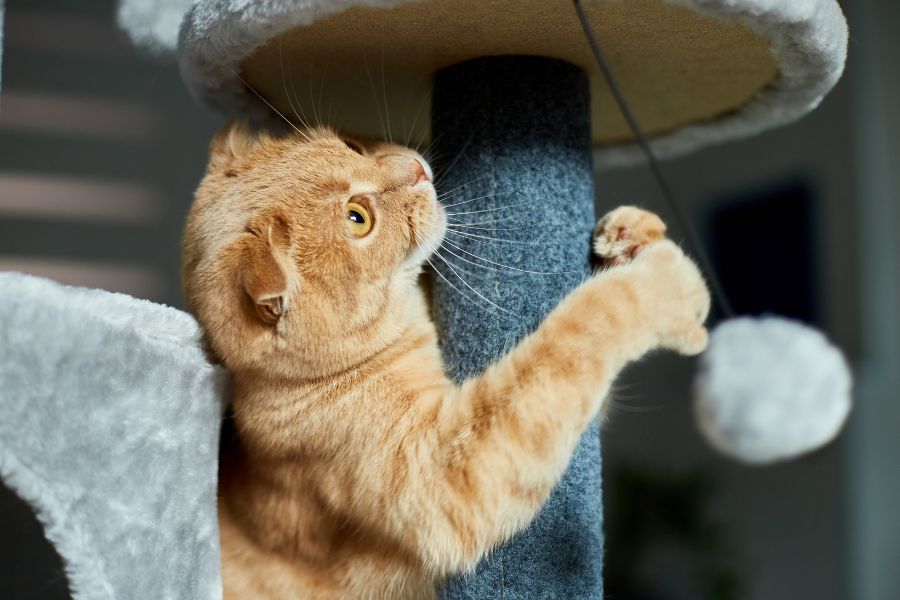
1. Provide the Right Scratching Posts
Not all scratching posts are equal. Cats can be picky.
What to look for:
- Tall enough for a full stretch
- Stable and sturdy
- Covered in materials like sisal or cardboard
Placement matters:
- Near sleeping areas (cats stretch after waking)
- Close to the furniture, they already scratch
If your cat scratches the couch arm, place a post right next to it. This makes the switch easier.
2. Make Furniture Less Appealing
You do not need to punish your cat. Instead, make the surface less inviting.
Try these options:
- Double-sided tape on scratching spots
- Furniture covers or slipcovers
- Pet-safe deterrent sprays
Cats dislike sticky or unfamiliar textures, so they will start avoiding those areas.
3. Encourage Positive Behavior
When your cat uses the scratching post, reward them.
Simple rewards include:
- Treats
- Gentle praise
- Playtime
You can also rub catnip on the scratching post to make it more attractive.
This step is essential in teaching how to stop cats from scratching furniture in a way that builds trust.
4. Trim Your Cat’s Nails Regularly
Keeping nails short reduces damage and makes scratching less destructive.
Tips:
- Trim every 2–3 weeks
- Use proper pet nail clippers
- Go slowly if your cat is not used to it
If you are unsure how to trim safely, consult a professional.
5. Use Soft Nail Caps
Soft nail caps are small covers placed over your cat’s claws. They are safe and temporary.
They can reduce damage while you train your cat to use proper scratching areas.
6. Redirect, Don’t Punish
Punishment can create fear and confusion. Cats do not connect punishment with past actions.
Instead:
- Interrupt gently if you catch them in the act
- Move them to the scratching post
- Reward them when they use the correct surface
Consistency is key.
Creating a Cat-Friendly Environment
Your home setup plays a major role in your cat’s behavior.
1. Add Vertical Spaces
Cats feel safe when they can climb and observe from above. Cat trees and shelves reduce stress and unwanted scratching.
2. Provide Daily Play
Interactive play helps release energy. A bored cat is more likely to scratch furniture.
3. Maintain Routine
Cats thrive on predictability. Feeding, play, and sleep routines reduce anxiety-driven scratching.
When Scratching Signals a Bigger Issue
Sometimes scratching becomes excessive or sudden.
This can be linked to:
- Stress or anxiety
- Skin irritation
- Behavioral changes
If you notice:
- Constant scratching in one area
- Hair loss or skin damage
- Sudden behavior changes
It may be time to seek professional advice. You can visit our website to learn more about when scratching behavior may need medical attention.
Common Mistakes to Avoid
Avoiding these mistakes can save time and frustration.
1. Buying the Wrong Scratching Post
If it is too short or unstable, your cat will ignore it.
2. Placing Posts in the Wrong Area
Hidden posts rarely work. Keep them visible and accessible.
3. Inconsistent Training
If you allow scratching sometimes and not others, your cat gets confused.
4. Punishing Your Cat
This damages trust and does not solve the problem.
A Step-by-Step Plan You Can Start Today
If you feel overwhelmed, start simple:
- Place a scratching post near the problem area
- Apply a deterrent to furniture
- Reward your cat when they use the post
- Trim nails regularly
- Stay consistent for at least 2–3 weeks
This approach helps reinforce how to stop cats from scratching furniture calmly and effectively.
Conclusion: Build Better Habits Without Stress
Scratching is part of your cat’s nature. The goal is not to stop it completely but to guide it in the right direction.
By understanding why cats scratch furniture and applying simple, consistent strategies, you can protect your home while supporting your cat’s needs.
If scratching becomes excessive or linked to health concerns, professional guidance can make a difference. When needed, take the next step and book an appointment to ensure your cat stays healthy and comfortable.
With patience and the right approach, you can create a home where both you and your cat feel at ease.
Frequently Asked Questions(FAQs):
1. Why does my cat keep scratching the same spot?
A: Cats return to areas where they have marked their scent. Cleaning the area and placing a scratching post nearby can help redirect the behavior.
2. Do scratching posts really work?
A: Yes, when chosen and placed correctly. The key is matching your cat’s preference and positioning it where they already scratch.
3. Is declawing a good solution?
A: No. Declawing is a surgical procedure that can cause pain and long-term issues. It does not address the root behavior.
4. How long does it take to stop furniture scratching?
A: Most cats respond within a few weeks with consistent training and proper setup.
5. Can stress cause more scratching?
A: Yes. Changes in the home or routine can increase scratching. Providing stability and enrichment helps reduce it.
6. What if my cat ignores the scratching post?
A: Try different materials, heights, and locations. Adding catnip or placing it near favorite spots can increase interest.