When cold fronts and icy roads arrive, extra care is required for four-legged travel companions. Although winter adventures can be memorable, risks from freezing temperatures, snow, and travel delays must be managed thoughtfully. Below, practical guidance is provided so that safer, calmer trips can be enjoyed with both dogs and cats.
Pre-Trip Planning
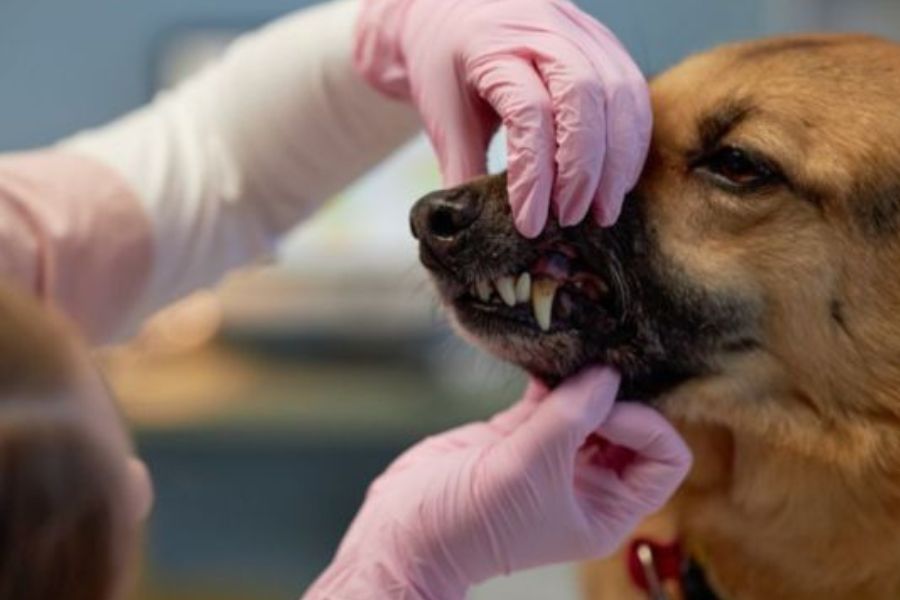
Before any route is mapped, a health check and current identification should be confirmed. Microchip information should be verified, and tags should be legible and securely attached. Additionally, vaccination records and medications should be packed, since unexpected changes in weather often cause itinerary shifts.
If motion sensitivity is suspected, a trial run around town can be attempted so that reactions can be observed ahead of departure. Moreover, pet-friendly lodging and rest stops should be identified in advance, since last-minute options can be limited in winter conditions.
Cold-Weather Packing List
For winter travel, a well-prepared bag makes a major difference. The following items are recommended:
- Insulated jacket or sweater sized for your pet
- Non-slip booties to protect paws from ice and salt
- Paw balm to shield pads from cracking and chemical de-icers
- A warm, washable blanket or travel bed
- Collapsible bowls and a thermos with warm (not hot) water
- Ample food plus a two-day buffer for weather delays
- Medications and written dosing instructions
- Enzyme cleaner and waste bags or litter supplies for cats
- Extra towels for snow, slush, and quick drying
- A familiar toy or comfort item to reduce stress
Furthermore, copies of medical records should be carried in both paper and digital formats, since cell service can be inconsistent during storms.
Car Travel: Safety First
During winter driving, a secure restraint is essential. A crash-tested harness or a properly sized, anchored crate should be used so that sudden stops or skids are better tolerated. Windows should be cracked only slightly—enough for air exchange without chilling the cabin. Additionally, cabin temperature should be monitored, since drafts and heater blasts can cause discomfort.
- Hydration should be maintained with small, frequent offerings of water.
- Food should be given in lighter portions to minimize motion nausea.
- Rest stops should be planned, but outdoor time should be limited when the wind chill is severe.
- Paws should be wiped after each stop to remove ice, salt, and antifreeze residue.
Moreover, pets should not be left alone in vehicles. Even on cold days, temperatures can swing rapidly, and visibility can be reduced by snow accumulation. Luggage and loose gear should be secured so that shifting weight does not startle anxious travelers. Consequently, calmer rides are usually achieved.
Air Travel: Extra Considerations
If flying is required, specific airline rules should be reviewed well in advance. Winter embargoes for cargo holds are common, and breed-specific restrictions may be in place. Therefore, when possible, cabin travel in an airline-approved soft carrier is preferred for small pets. For larger animals, direct flights should be booked to minimize transfers, and early departures are often favored to avoid cascading delays.
- A veterinary health certificate may be required and should be dated within the airline’s window.
- Sedation is typically discouraged, as it can affect breathing and temperature regulation at altitude.
- An absorbent pad should be placed in the carrier, and a small amount of water can be frozen in a dish, so slow melting provides hydration without spillage.
- Identification should be attached to both pet and carrier, inside and out, with itinerary details included.
Additionally, acclimation to the carrier should be practiced at home for several days so that the travel environment feels familiar when the trip begins.
Hotels and Lodging
Before arrival, pet policies and fees should be confirmed, as winter storms can change room availability quickly. A quiet room away from stairwells and exits is often helpful. If solo time in the room must occur, safe crating is recommended, and a “do not disturb” sign should be displayed.
Moreover, outdoor restroom areas should be identified on check-in, since icy pathways can be slippery and poorly lit. After each outing, paws and bellies should be wiped to remove chemicals and moisture.
Winter Walks During Stops
Even brief breaks deserve caution. Visibility should be boosted with reflective collars, LED tags, or a lighted leash. In deep snow, core temperature can drop quickly, so play should be moderated and time outdoors shortened. Signs of trouble should be recognized:
- Hypothermia: shivering, lethargy, slowed responses, or pale gums
- Frostbite: pale or blue skin on ears, tail, or paws; pain when touched
If concerning signs are observed, gentle warmth (not direct heat) should be provided, and a veterinary call should be placed for next steps. Likewise, cats should be kept on a harness and leash for any outdoor time, since sudden noises in winter weather can trigger flight responses.
Emergency Readiness
Because winter disruptions are common, a simple emergency kit should be kept accessible:
- Pet first-aid kit and emergency contacts
- Extra leash, harness, and ID tags
- Portable charger and printed copies of key records
- Roadside supplies: ice scraper, shovel, blankets, and high-visibility vest
- Spare food, water, and medications
Additionally, a list of 24/7 clinics along the route should be saved offline, since navigation apps can be unreliable during storms.
Special Considerations for Dogs and Cats
Individual needs vary by species, age, and health. Senior pets and short-coated breeds often require extra insulation, while Arctic breeds can overheat if heavy gear is used indoors or in mild conditions. Cats typically tolerate routine changes poorly, so litter access and quiet spaces should be prioritized. Moreover, joint support should be considered for seniors, and slippery hotel floors can be mitigated with travel rugs or sticky paw grips.
With mindful preparation, winter trips with pets can be handled smoothly and safely. By emphasizing secure restraint, temperature management, hydration, and route flexibility, comfort is improved and stress is reduced. For region-specific guidance or health questions before departure, a consultation with a Florence veterinarian can be scheduled so that medical concerns are addressed in advance.
Ultimately, when weather is respected and plans are adaptable, cold-season travel can be enjoyed by both two- and four-legged travelers.