A blocked airway is one of the most serious situations a pet can experience. A small toy, bone fragment, treat, stick, or other foreign object can become lodged in the throat or windpipe, making it difficult or impossible to breathe. Quick recognition of the warning signs and prompt medical attention can make a significant difference.
This guide explains common choking hazards, symptoms, diagnosis, treatment options, surgical procedures, recovery, and prevention strategies so pet owners know what to expect during these critical moments. If your pet shows signs of breathing difficulty, timely evaluation is essential. Pet owners in Florence should never delay seeking professional help when breathing problems appear suddenly.
Understanding Choking Hazards and Airway Obstructions
An airway obstruction happens when something partially or completely blocks the passage of air into the lungs. Dogs and cats are naturally curious, making them more likely to chew or swallow objects that do not belong in their mouths.
Some airway blockages develop suddenly after swallowing an object. Others may result from swelling, injuries, tumors, or severe throat irritation. Regardless of the cause, reduced airflow places tremendous stress on the body and requires immediate attention.
Common Causes of Airway Obstructions
Several everyday items can become dangerous choking hazards for pets.
1. Foreign Objects
Objects commonly removed during urgent procedures include:
- Bones and bone fragments
- Balls and small toys
- Rawhide pieces
- Corn cobs
- Sticks
- Sewing needles
- Fish hooks
- Fabric and string
- Plastic objects
- Food that is swallowed too quickly
2. Medical Conditions
Some health conditions may also narrow or block the airway, including:
- Throat swelling
- Severe allergic reactions
- Growths inside the airway
- Trauma to the neck or throat
- Collapsed airway structures in certain breeds
Each condition requires careful evaluation before selecting the most appropriate treatment.
Signs Your Pet Needs Immediate Medical Attention
Recognizing symptoms early may prevent serious complications.
Watch for these warning signs:
- Difficulty breathing
- Loud or noisy breathing
- Repeated gagging
- Persistent coughing
- Pawing at the mouth
- Excessive drooling
- Blue or pale gums
- Panic or restlessness
- Weakness
- Collapse
These symptoms should never be ignored. Seeking urgent care for pets as soon as breathing problems begin gives your pet the best opportunity for successful treatment.
How Airway Obstructions Are Diagnosed
The medical team first evaluates your pet’s breathing, oxygen levels, heart rate, and overall stability.
Diagnostic tests may include:
1. Physical Examination
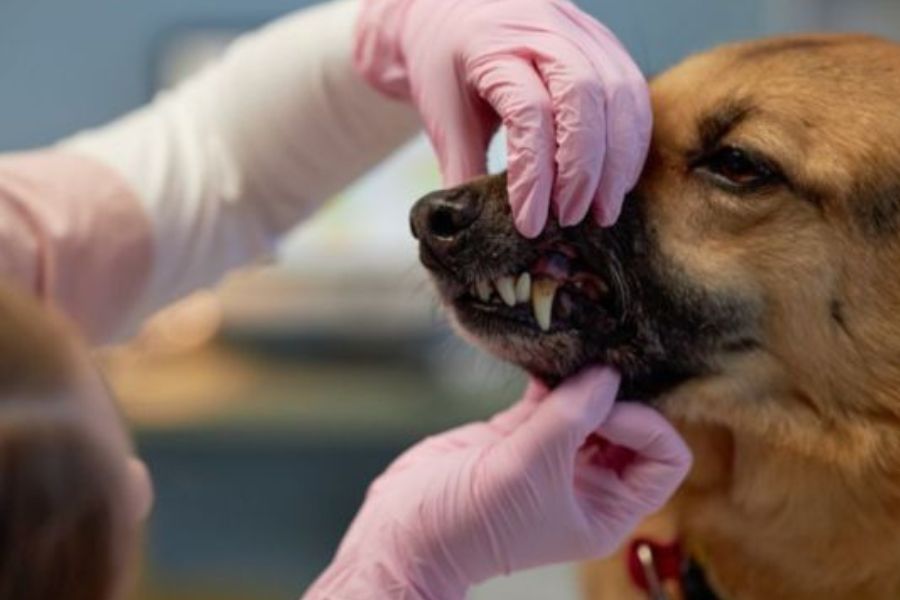
The mouth and throat are carefully inspected for visible objects or swelling.
2. Imaging
X-rays often help identify foreign objects lodged in the airway. Advanced imaging may be recommended when more detailed information is required.
3. Endoscopic Evaluation
A flexible camera allows the medical team to examine the throat and airway directly. In many cases, the object can also be removed during this procedure without major surgery.
When Urgent Care Surgery Becomes Necessary
Not every airway obstruction requires surgery. Some foreign objects can be safely removed using specialized instruments.
Surgery becomes necessary when:
- The object cannot be safely retrieved
- Airflow remains severely restricted
- The foreign object has caused tissue damage
- Internal swelling blocks removal
- The obstruction is deeply lodged
The surgical approach depends on the object’s location and your pet’s overall condition.
What Happens During Airway Surgery
The primary goal is restoring normal airflow as quickly and safely as possible.
Depending on the situation, the surgeon may:
- Remove the lodged object
- Repair damaged tissues
- Control bleeding
- Clear swollen airway passages
- Protect breathing throughout the procedure
Continuous monitoring helps ensure your pet remains stable during surgery.
Recovery After Surgery
Recovery varies depending on the severity of the obstruction and the amount of tissue irritation.
Many pets require:
- Oxygen support
- Pain management
- Anti-inflammatory medications
- Soft food during healing
- Restricted activity
- Follow-up examinations
Most pets improve steadily when treatment is provided before prolonged oxygen deprivation occurs.
Owners should closely monitor their pet’s breathing, appetite, swallowing ability, and activity levels during recovery.
Possible Complications
Even after successful treatment, some pets may develop complications, including:
- Infection
- Airway swelling
- Aspiration pneumonia
- Bleeding
- Scar tissue formation
- Difficulty swallowing
Routine follow-up appointments allow the medical team to monitor healing and address concerns before they worsen.
Preventing Choking Hazards at Home
Many airway obstructions are preventable through simple safety measures.
Helpful prevention tips include:
- Choose toys appropriate for your pet’s size.
- Supervise chewing sessions.
- Avoid cooked bones.
- Store sewing supplies safely.
- Keep children’s toys out of reach.
- Cut treats into manageable pieces.
- Replace damaged chew toys.
- Discourage pets from chewing sticks.
Regular supervision greatly reduces the chance of accidental airway blockage.
Why Prompt Treatment Matters
Airway obstruction is a time-sensitive condition. Reduced oxygen affects every organ in the body, including the brain and heart. Even partial blockages may worsen rapidly if swelling increases.
Early evaluation allows the medical team to stabilize breathing, identify the cause, and determine whether surgical treatment is necessary. Delaying care increases the risk of tissue damage and prolonged recovery.
If your pet is struggling to breathe, call us at 843-667-6720 for immediate assistance and guidance.
Conclusion
Choking hazards and airway obstructions can develop without warning, making rapid recognition essential for every pet owner. Understanding common causes, recognizing early symptoms, and seeking prompt medical attention can greatly improve your pet’s outcome. Safe toys, supervised chewing, and regular observation help reduce preventable risks at home.
If you’re located in Florence, Palmetto Animal Hospital welcomes you with compassionate care focused on your pet’s comfort and recovery. Reach out to the team whenever breathing concerns arise, where compassionate care and community come together for your pet’s well-being.
Frequently Asked Questions(FAQs):
1. What are the first signs that my pet is choking?
A: Common signs include gagging, coughing, difficulty breathing, pawing at the mouth, excessive drooling, noisy breathing, and visible distress. These symptoms require immediate professional evaluation because airway blockages can worsen quickly and affect oxygen delivery.
2. Can a pet recover without surgery after an airway obstruction?
A: Yes. Some foreign objects can be removed using specialized instruments or an endoscope without surgery. The appropriate treatment depends on the object’s size, location, and the severity of the airway blockage identified during examination.
3. Which pets are at greater risk for choking hazards?
A: Young pets, enthusiastic chewers, and animals that swallow food rapidly have a higher risk. Small toys, bones, sticks, rawhide pieces, and household objects commonly contribute to airway obstructions requiring prompt medical attention.
4. How long does recovery take after airway surgery?
A: Recovery varies with the severity of the obstruction and tissue damage. Many pets begin improving within several days, while complete healing may require a few weeks with medication, activity restriction, follow-up visits, and careful home monitoring.
5. Can airway obstructions be prevented?
A: Many cases are preventable by selecting appropriately sized toys, supervising chewing sessions, avoiding cooked bones, storing hazardous household items safely, and replacing damaged toys before they become choking risks.
6. When should I seek immediate medical care for breathing problems?
A: Seek professional care immediately if your pet struggles to breathe, collapses, develops blue gums, cannot swallow, repeatedly gags, or shows sudden, severe coughing. Prompt evaluation greatly improves the chances of a successful outcome.