Allergies can make life uncomfortable for pets and stressful for owners. From constant scratching to recurring ear issues, these reactions often signal an underlying sensitivity that needs attention. This guide explains what causes allergic reactions, how to recognize early signs, available treatment options, and what long-term management looks like.
You will also learn how local environmental factors in Florence, SC, may influence symptoms and what steps you can take today to support your companion’s comfort. If your pet struggles with itching or irritation, understanding pet allergies is the first step toward relief.
What Causes Allergic Reactions in Pets?
Allergies develop when the immune system overreacts to a normally harmless substance. Triggers vary depending on lifestyle, diet, and surroundings.
1. Common Environmental Triggers
Pets in Florence often encounter pollen from grasses, trees, and seasonal blooms. Warm, humid weather can increase mold growth. Dust mites and household cleaners may also trigger reactions. Outdoor pets may be exposed to lawn treatments or flea bites that intensify irritation.
2. Food-Related Sensitivities
Certain proteins, such as chicken, beef, dairy, or grains, may lead to chronic skin or digestive issues. Food reactions usually develop over time rather than immediately after a new meal.
3. Flea Allergy Dermatitis
Even a single flea bite can cause intense itching in sensitive pets. Consistent prevention is essential year-round, especially in South Carolina’s mild climate.
Signs You Should Not Ignore
Allergic symptoms may appear mild at first. Early detection prevents secondary infections and discomfort.
1. Skin-Related Symptoms
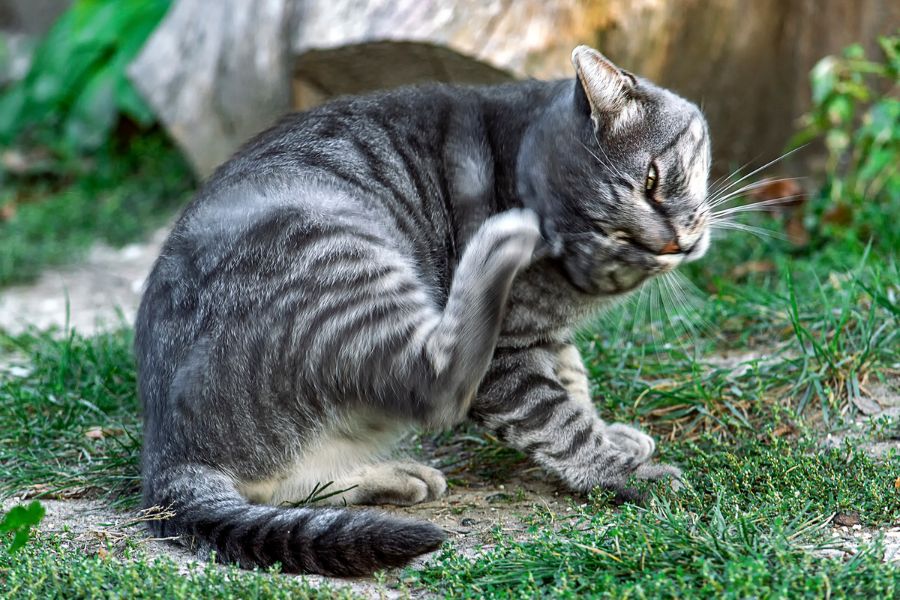
- Persistent scratching
- Red or inflamed patches
- Hair thinning
- Chewing paws
- Recurring hot spots
3. Ear and Digestive Clues
- Frequent ear shaking
- Odor or discharge
- Loose stool
- Vomiting after meals
Behavior changes may also occur. Pets experiencing discomfort may seem restless or withdrawn.
How Allergies Are Diagnosed
A clear diagnosis begins with a detailed history. Your veterinarian may ask about diet, lifestyle, and recent environmental changes. Skin or blood testing helps identify environmental triggers. Food trials determine dietary sensitivities. Flea prevention history also plays a role in narrowing down the cause.
Diagnosis takes patience. Results guide targeted treatment rather than temporary symptom relief.
Treatment Options Explained
There is no universal cure, yet many effective management strategies provide comfort and control.
1. Medications for Itch Relief
Antihistamines and anti-inflammatory medications reduce swelling and discomfort. Some pets respond quickly while others require tailored dosing. Short courses are often used during flare-ups.
2. Immunotherapy
Allergy shots or oral drops gradually desensitize the immune system. This long-term approach targets the root cause rather than masking symptoms. Improvement may take several months.
3. Prescription Diets
Specially formulated diets eliminate common allergens. Strict adherence is critical. Even small treats can disrupt results during a food trial.
4. Topical Care
Medicated shampoos soothe irritated skin and remove surface allergens. Regular bathing can reduce pollen buildup during high seasons in Florence.
5. Flea Prevention
Consistent monthly prevention protects sensitive pets from flare-ups linked to bites.
Managing Allergies at Home
Home care supports professional treatment plans.
- Wash bedding weekly in hot water
- Vacuum carpets and furniture regularly
- Wipe paws after outdoor walks
- Use air purifiers to reduce indoor allergens
Humidity control inside the home may reduce mold growth. Monitoring seasonal changes helps predict flare-ups before they worsen.
Why Local Climate Matters
Florence’s warm summers and extended pollen seasons contribute to seasonal itching. Pets spending time outdoors in grassy yards or parks face higher exposure. Coastal humidity levels can intensify mold presence. Recognizing these local factors allows earlier intervention.
Owners often notice increased scratching in spring and late summer. Tracking patterns provides valuable insight during examinations.
When to Seek Professional Help
Occasional itching is normal. Persistent discomfort lasting more than a few days deserves evaluation. Untreated reactions can lead to bacterial or yeast infections. Early care reduces long-term skin damage.
A clear plan includes follow-up visits, response tracking, and adjustments based on seasonal changes. Transparency in treatment expectations helps owners feel confident in each step.
If you would like to explore the full range of preventive care, wellness programs, and diagnostic services available for your pet, we invite you to visit our website to learn more about how we support lifelong health.
Long-Term Outlook
Most allergic conditions require ongoing management rather than one-time treatment. With consistent monitoring and tailored care, pets live active and happy lives. Clear communication between pet owners and care teams builds lasting results.
Understanding triggers, recognizing early signs, and committing to prevention are key steps in managing pet allergies effectively.
Conclusion
Allergic conditions require patience, consistency, and partnership. Identifying triggers, choosing appropriate treatments, and maintaining preventive routines support lasting comfort. Awareness of seasonal influences in our area helps anticipate flare-ups before they escalate. With informed decisions and steady follow-through, your companion can enjoy an active, itch-free life.
We are conveniently located in Florence, SC, and welcome you to our facility at 2221 2nd Loop Rd, Florence, SC 29501—where compassionate care and community come together for your pet’s well-being. Schedule an appointment with Palmetto Animal Hospital.
Frequently Asked Questions( FAQs):
1. Can allergies suddenly appear in adult pets?
A: Yes. Allergies may develop at any age. Repeated exposure over time can trigger sensitivity, even if your pet previously tolerated certain foods or environmental elements without any issues.
2. Are allergies contagious between pets?
A: No. Allergic reactions are immune responses and cannot spread between animals. Shared environments may expose multiple pets to the same triggers, which can make symptoms appear similar.
3. How long does treatment take to show results?
A: Response time varies. Some pets improve within days using medication, while immunotherapy or diet trials may require several weeks or months for noticeable improvement.
4. Can diet alone solve allergic reactions?
A: If food is the main trigger, dietary management can significantly reduce symptoms. Environmental allergies usually require additional strategies beyond nutrition changes.
5. Is bathing helpful for itchy pets?
A: Yes. Regular bathing with appropriate shampoos removes surface allergens and soothes irritated skin. Frequency should follow professional recommendations to avoid drying the skin.
6. Do allergies worsen over time?
A: Without management, symptoms may intensify. Secondary infections and chronic inflammation can develop. Early diagnosis and consistent care prevent long-term complications.