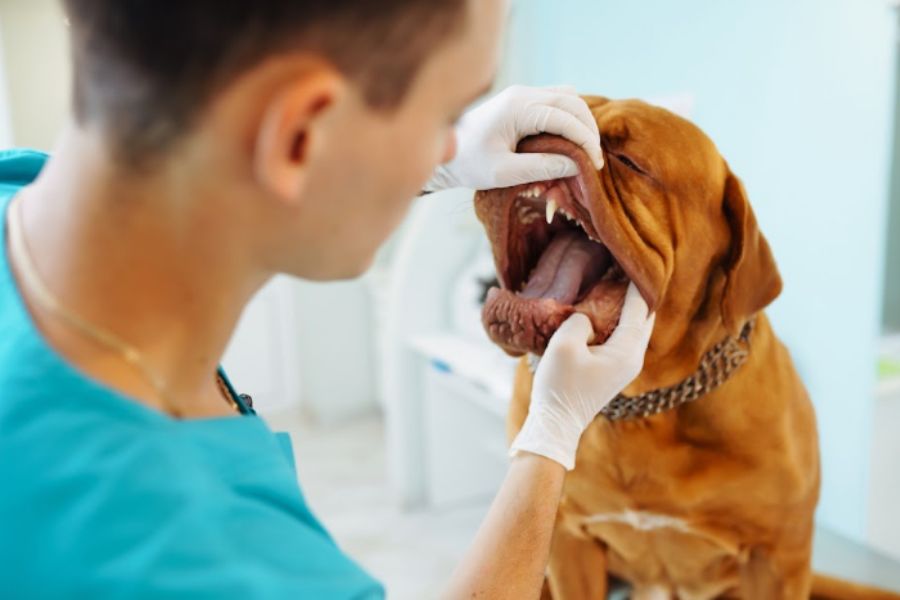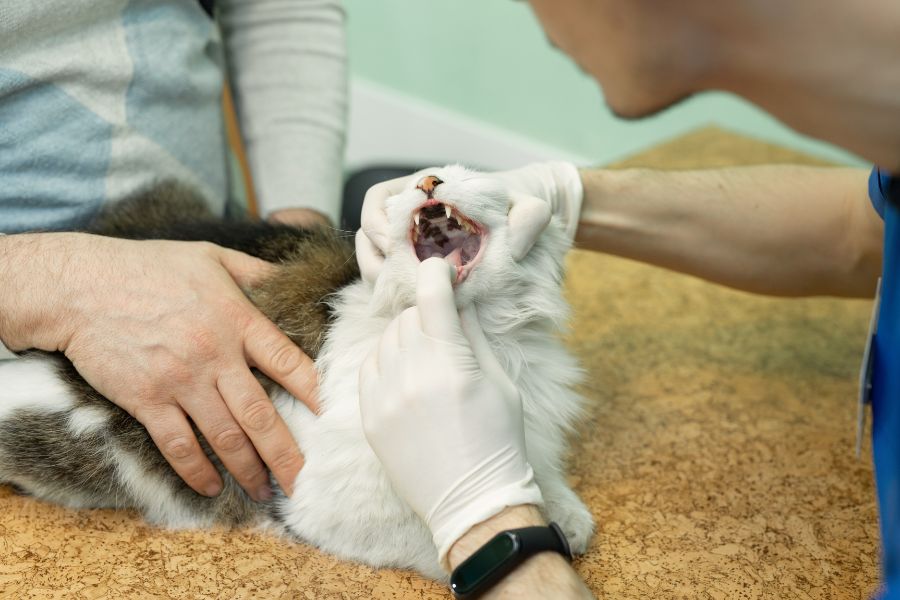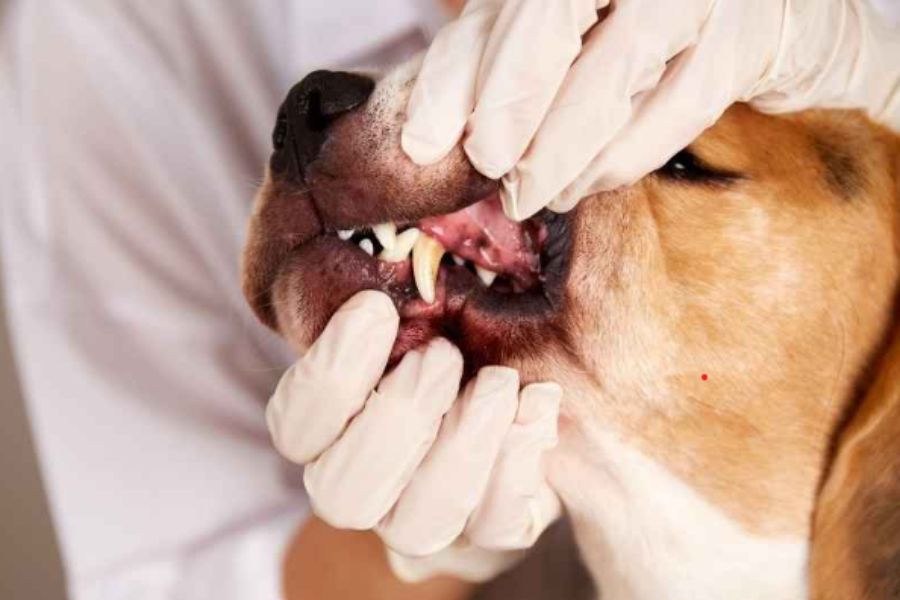
A broken or loose tooth can be painful and easy to overlook. Pets often hide mouth pain, so changes in eating, chewing, drooling, pawing at the face, or behavior can be important clues. This guide explains warning signs, same-day care, safe home steps, treatment options, and prevention for dogs and cats in Florence.
Why a Broken or Loose Tooth Matters
A damaged tooth is more than a cosmetic concern. A crack can expose sensitive inner tissue and cause pain. A loose tooth may result from injury or dental disease. Food and bacteria can collect around damaged areas, increasing the risk of infection.
Young pets may damage teeth while chewing hard objects. Falls, collisions, rough play, or hard objects can cause sudden damage.
Pets may keep eating despite mouth pain, so watch behavior too.
Signs You Should Not Ignore
Look inside your pet’s mouth only if your pet is calm and allows it. Warning signs include:
- Bleeding from the mouth
- A tooth that moves, looks crooked, or appears shorter
- A visible crack or missing piece
- Facial swelling
- Excessive drooling
- Bad breath that suddenly becomes stronger
- Dropping food while chewing
- Chewing on one side
- Refusing hard food or treats
- Pawing at the mouth
- Whining, hiding, irritability, or unusual quietness
A damaged tooth with swelling, persistent bleeding, severe pain, or facial changes deserves prompt professional assessment.
When to Seek Urgent Care
Not every chipped tooth needs immediate treatment, but clear pain or infection signs should not wait. Seek same-day care for significant bleeding, facial swelling, intense discomfort, a severely loose tooth, or trouble eating or drinking.
A tooth injury after major impact deserves prompt evaluation, even when the tooth looks intact.
A mild chip without pain may be less time-sensitive. An examination can determine whether monitoring or treatment is needed. Dental imaging may reveal injury below the visible surface.
What to Do Before Your Pet Is Seen
Keep your pet calm and prevent chewing on hard toys, bones, sticks, or rigid objects. Offer soft food if eating is comfortable. Do not wiggle, pull, or remove a loose tooth yourself.
Do not apply human dental products, pain relievers, alcohol, peroxide, or numbing gels unless a pet care professional recommends them. Some human products can harm animals.
If there is bleeding, gently place clean gauze against the area when your pet safely allows it. Do not force the mouth open. Contact a pet care professional for guidance. Access to urgent care for pets can provide a clear plan when dental injuries happen outside routine hours.
What Treatment Might Involve
Treatment depends on the tooth, damage, pain level, and mouth health. A minor chip may need observation. A fractured tooth with exposed inner tissue may need treatment to protect it or relieve pain. A badly damaged tooth may need removal.
Your pet may receive pain control or infection treatment when appropriate. Dental imaging can reveal problems beneath the gumline and guide care.
Ask about treatment, recovery, cost, and home care. Information helps you decide.
How to Prevent Future Tooth Injuries
Choose chew items with some flexibility instead of extremely hard objects. Avoid items that can crack teeth. Regular mouth checks can help you notice changes early.
Routine dental care matters because plaque and tartar can contribute to gum problems and weaken tooth support. Brushing with pet-safe toothpaste can help when introduced gradually. Dental evaluations can identify concerns that are hard to see at home.
Quick Pet-Parent Checklist
Before calling, note what happened and when. Check whether your pet is eating, drinking, drooling, bleeding, swelling, or acting differently. Take a photo if your pet allows it. Share information about the object or event that caused the injury.
Call us at 843-667-6720 for guidance about your pet’s broken or loose tooth.
Conclusion
A broken or loose tooth should not be dismissed because your pet continues eating. Pain can remain hidden, and damage can worsen without care. Watch for bleeding, swelling, chewing changes, drooling, behavioral changes, and discomfort. Safe home steps can protect the mouth until assessment, but pulling a tooth or using human medication is unsafe.
If you’re located in Florence, reach out to Palmetto Animal Hospital – where compassionate care and community come together for your pet’s well-being. Timely attention can reduce discomfort, protect oral health, and help your companion return to normal eating and daily activities.
Frequently Asked Questions(FAQs):
1. Is a loose tooth painful for dogs and cats?
A: Yes. A loose tooth can cause pain, especially when surrounding tissue is inflamed or the tooth moves during chewing. Pets may hide discomfort, so subtle changes in appetite, behavior, drooling, or chewing deserve attention.
2. Should I pull out my pet’s loose tooth?
A: No. Pulling a loose tooth can cause bleeding, pain, tissue damage, or complications. The tooth may need professional removal or another treatment based on its condition, location, and the health of surrounding structures.
3. Can a broken pet tooth heal on its own?
A: A damaged tooth does not always heal naturally. Small surface chips may need monitoring, while deeper fractures can expose sensitive tissue. Professional assessment helps determine whether treatment is needed to prevent ongoing pain or infection.
4. What should my pet eat after a tooth injury?
A: Soft food is often easier to chew when the mouth is sore. Avoid hard treats, bones, and rigid chew toys until a pet care professional provides guidance. Follow feeding recommendations based on the injury and treatment plan.
5. How can I tell if my pet’s tooth is infected?
A: Possible signs include facial swelling, worsening bad breath, discharge, reduced appetite, drooling, mouth sensitivity, or changes in behavior. Infection may exist beneath the gumline without obvious symptoms, making a professional dental assessment important.
6. When should I seek care for a broken tooth?
A: Seek prompt care when a broken tooth causes significant pain, bleeding, swelling, difficulty eating, or visible deep damage. Injuries involving major trauma deserve timely assessment because hidden tooth, jaw, or soft-tissue damage can occur.