

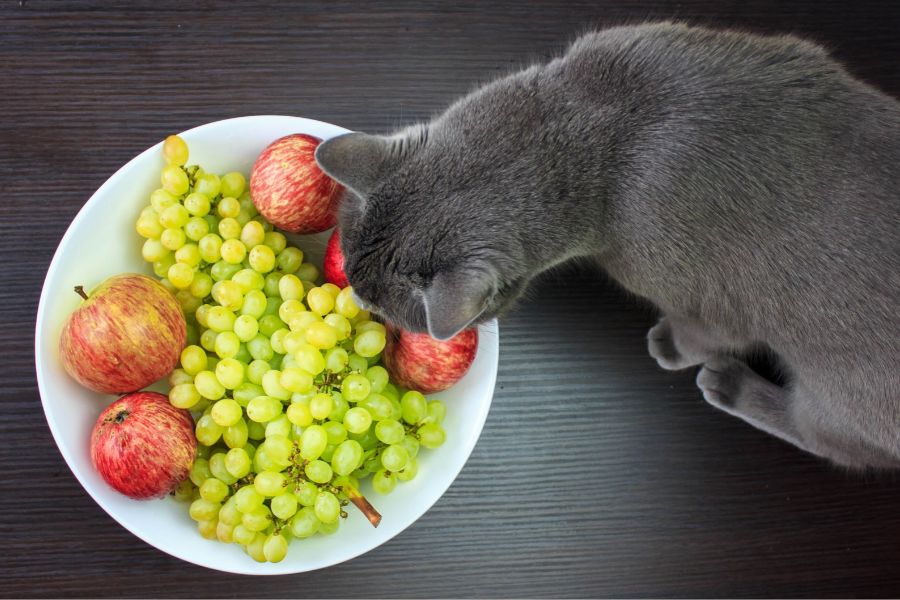
A pet’s kidneys filter waste, balance fluids, and regulate minerals. Some foods can trigger poisoning or complicate existing kidney disease. Grapes and raisins are a danger to dogs; salty foods, unsuitable supplements, and unbalanced meals also deserve caution. Knowing what to avoid and which symptoms need attention helps protect your pet without creating unnecessary food fears.
Read ingredient lists carefully, since kidney-related concerns may involve the amount eaten, repeated feeding, or a pet’s existing condition. An accidental taste does not mean kidney disease will develop, but a known toxin exposure still warrants prompt advice. Every pet’s risk depends on context.
Foods That Can Put Kidney Health at Risk
Grapes and Raisins
Grapes, raisins, currants, and foods containing them can cause acute kidney injury in dogs. The toxic dose is unpredictable, and symptoms may be delayed. Do not wait or try home remedies. Contact an animal hospital or poison service promptly. Keep fruitcakes, raisin bread, trail mix, and baked goods out of reach. Evidence of grape toxicity in cats is limited, but preventing access is sensible.
Salty Snacks and High-Sodium Foods
Chips, pretzels, salted nuts, cured meats, bacon, and seasoned leftovers can deliver excessive sodium. A large exposure may cause thirst, vomiting, diarrhea, tremors, seizures, and dangerous fluid changes. Salty foods are especially unsuitable for pets with heart, blood-pressure, or kidney problems. Offer fresh water and balanced meals. If your pet eats a substantial amount of salt, seek advice; do not force water.
Processed Foods and Phosphorus-Heavy Treats
Processed meats, cheese, and packaged treats may contain substantial phosphorus and sodium. Phosphorus is essential, not a poison; healthy kidneys help balance it. With kidney disease, excess phosphorus can be harder to remove and may complicate care. The concern is the overall diet, portion size, and your pet’s condition. Ask for guidance before offering frequent treats.
Foods Containing Onion or Garlic
Onion, garlic, chives, and leeks can damage red blood cells in dogs and cats. They are not classic kidney toxins, but severe poisoning can cause anemia and complications affecting multiple organs. Raw, cooked, powdered, or concentrated forms may hide in sauces, soups, and seasoning mixes. Check labels and keep seasoned scraps away. If ingestion occurs, share the product, amount, and time eaten with a professional.
Unbalanced Homemade Meals and Supplements
A homemade diet is not automatically healthier. Meat, rice, and vegetables without a formulated recipe may provide too much or too little calcium, phosphorus, and vitamins. Supplements can add unsuitable minerals. Long-term imbalance can undermine health and complicate kidney care. Use a recipe designed for your pet’s species and life stage, and review supplements before starting them.
Does Protein Damage a Pet’s Kidneys?
Protein supports muscle maintenance and normal body functions. High-protein food does not automatically cause kidney disease in a healthy pet. Pets with chronic kidney disease may need a carefully selected diet that adjusts phosphorus and sometimes protein while maintaining calories and nutrition. Do not restrict meat or switch diets without advice. Cats have specific nutritional requirements.
Signs of Possible Kidney Trouble
Kidney problems may develop gradually or suddenly. Watch for:
- Increased thirst or urination, or unusually little urine.
- Reduced appetite, nausea, vomiting, or diarrhea.
- Weight loss, weakness, or unusual tiredness.
- Bad breath, mouth ulcers, or dehydration.
- Changes in litter-box habits or accidents indoors.
These signs can also occur with diabetes or urinary illness. Straining to urinate, producing no urine, repeated vomiting, collapse, or suspected grape or raisin ingestion needs urgent attention.
What to Do if Your Pet Eats a Risky Food
Remove remaining food and note the ingredient, amount, and exposure time. Keep the packaging or photograph its label. Call an animal hospital or poison service for instructions. Do not induce vomiting, give human medication, or try home treatments unless told to do so. Early assessment may reduce complications. Testing or monitoring will depend on the exposure and your pet’s condition.
Safer Feeding Habits for Kidney Health
Choose complete food suited to your pet’s species, age, and health. Provide fresh water, measure meals, and limit treats. Store grapes, raisins, salty snacks, seasoning powders, and supplements securely. Introduce diet changes gradually. Wellness checks and recommended blood or urine tests can identify changes early. Pets with kidney disease may need a prescription diet and monitoring; discuss changes with their care team.
If appetite, thirst, accidental food exposure, or a kidney diagnosis concerns you, arrange an assessment rather than guessing at a diet. Diagnostic care can investigate health changes with appropriate testing. Book an appointment to review symptoms and discuss a practical kidney-health plan.
Frequently Asked Questions(FAQs):
1. Can dogs eat grapes or raisins?
A: No. Grapes and raisins can cause sudden kidney injury in dogs, and the amount that triggers illness is unpredictable. Contact an animal hospital or poison service immediately after any suspected ingestion, even without symptoms.
2. Are grapes toxic to cats?
A: Reports of grape-related illness in cats are limited compared with dogs, and the risk is not clearly established. Keep grapes and raisins away from cats and seek professional advice if your cat eats them.
3. Is chicken bad for pets with kidney disease?
A: Plain, cooked chicken is not inherently harmful, but it may not suit every kidney diet. The right portion and phosphorus balance depend on diagnosis, disease stage, and the rest of the meal.
4. Does dry food cause kidney disease?
A: Dry food does not automatically cause kidney disease. Water intake, total diet, age, and underlying health all matter. Provide constant access to fresh water and ask about hydration if your pet drinks very little.
5. What foods should pets with kidney disease avoid?
A: There is no single avoid-list for every patient. High-phosphorus treats and salty processed foods may be unsuitable, but individual needs vary. Follow a tailored nutrition plan rather than removing foods at random.
6. Can kidney damage in pets be reversed?
A: Some acute kidney injuries improve with prompt treatment, but recovery depends on the cause and severity. Chronic kidney disease is usually managed rather than cured, with diet, monitoring, and supportive care.
