

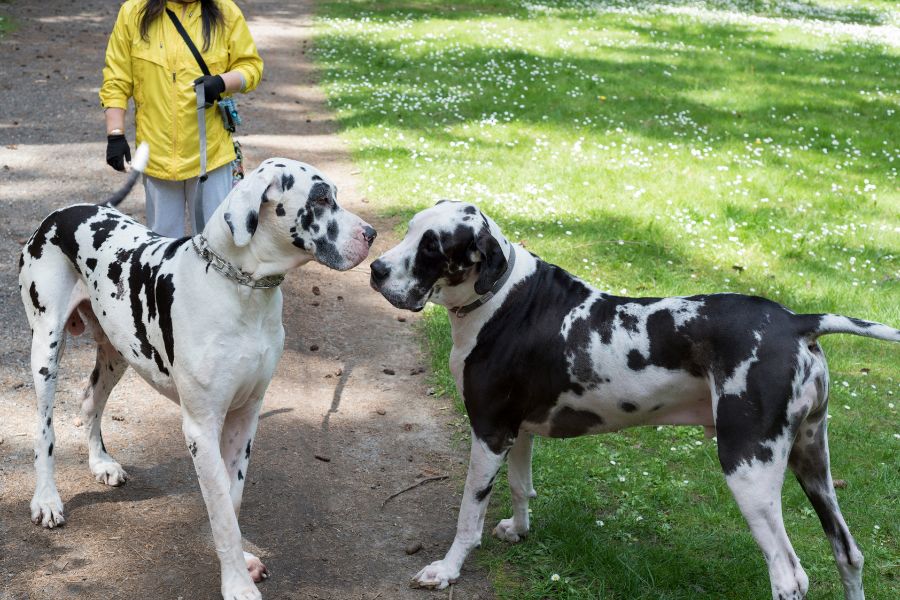
Great Danes are known for their towering height and calm, affectionate nature. They are often called “gentle giants,” and for good reason. But along with their impressive size comes a question many owners ask early on: Can Great Danes live longer than 10 years?
The short answer is yes—but it’s not the norm.
Understanding the life expectancy of Great Dane dogs helps you make informed decisions about their care, health, and lifestyle. With the right approach, some Great Danes do cross the 10-year mark, and a few even reach 12 years or more.
Let’s explore what experts say, what affects their lifespan, and what you can do to help your dog live a longer, healthier life.
What Is the Average Life Expectancy of Great Dane Dogs?
A Realistic Range
The life expectancy of Great Dane dogs typically falls between 7 to 10 years. This is shorter than many other breeds, especially smaller dogs.
Why is that?
Large and giant breeds age faster than smaller dogs. Their bodies grow rapidly, which can put stress on joints, organs, and overall systems.
Can They Live Beyond 10 Years?
Yes, some Great Danes live beyond 10 years. While not common, it is possible with:
- Strong genetics
- Preventive healthcare
- Proper nutrition
- Active but safe lifestyle
Veterinary experts agree that lifespan is not fixed. It is influenced by several controllable and uncontrollable factors.
Why Do Great Danes Have a Shorter Lifespan?
1. Rapid Growth Rate
Great Danes grow quickly during their first year. This fast development can strain bones and joints.
2. Large Body Size
Bigger bodies require more effort from the heart and organs. Over time, this can lead to earlier wear and tear.
3. Genetic Predispositions
Great Danes are prone to certain health conditions that can affect lifespan, including:
- Bloat (gastric dilatation-volvulus)
- Heart disease (dilated cardiomyopathy)
- Hip dysplasia
- Bone cancer
4. Sensitivity to Lifestyle Factors
Even small changes in diet, exercise, or care routines can have a big impact on their health.
Key Factors That Influence Longevity
Genetics and Breeding
Responsible breeding plays a major role in the life expectancy of Great Dane dogs. Dogs from health-tested parents are more likely to live longer.
When choosing a puppy, always ask about:
- Family health history
- Screening for genetic conditions
- Breeding practices
Nutrition and Diet
A balanced diet supports:
- Healthy weight
- Strong joints
- Proper organ function
Avoid overfeeding. Excess weight can shorten your dog’s life by increasing stress on the heart and joints.
Exercise and Activity
Great Danes need daily exercise, but it should be controlled.
- Avoid intense activity after meals (to reduce bloat risk)
- Choose moderate walks instead of high-impact running
- Keep puppies from overexertion during growth stages
Routine Veterinary Care
Preventive care is one of the most powerful ways to extend your dog’s life.
Regular checkups help detect issues early. If your dog needs ongoing care or monitoring, visit our website to learn more about when veterinary support is necessary and how to stay ahead of potential health concerns.
Common Health Issues That Affect Lifespan
Bloat (Gastric Dilatation-Volvulus)
This is one of the most serious conditions in Great Danes.
Warning signs:
- Swollen abdomen
- Restlessness
- Unsuccessful attempts to vomit
This condition requires immediate veterinary attention.
Heart Disease
Dilated cardiomyopathy can lead to a gradual decline in heart function over time. Early diagnosis through routine exams can improve outcomes.
Joint Problems
Hip dysplasia and arthritis can significantly limit mobility and reduce quality of life if not properly managed.
Cancer
Bone cancer is more common in large breeds. Early detection and treatment planning are essential.
How to Help Your Great Dane Live Longer
Keep your dog lean. Extra weight increases the risk of many diseases.
1. Feed High-Quality Food
Choose food formulated for large or giant breeds.
2. Schedule Regular Vet Visits
Annual or biannual checkups can catch problems early.
3. Monitor Behavior Changes
Subtle changes in energy, appetite, or movement can signal health issues.
4. Provide a Safe Environment
Use raised feeding bowls if recommended by your vet, and create a comfortable resting space.
5. Consider Preventive Procedures
Some owners discuss preventive surgery for bloat (gastropexy) with their veterinarian.
Signs Your Great Dane Is Aging
As your dog approaches the upper range of the life expectancy of Great Dane dogs, you may notice:
- Slower movement
- Increased sleep
- Joint stiffness
- Changes in appetite
- Reduced stamina
These changes are natural, but they should still be monitored. Senior dogs benefit from tailored care plans.
Emotional Reality: Preparing for a Shorter Lifespan
Owning a Great Dane comes with a unique emotional challenge. Their lifespan is shorter than that of many other breeds, which makes every year more meaningful.
Focus on:
- Quality of life
- Preventive care
- Strong daily routines
A well-cared-for Great Dane may not just live longer—but live better.
Conclusion: Can Great Danes Live Longer Than 10 Years?
The life expectancy of Great Dane dogs typically ranges from 7 to 10 years, but some do live longer. While genetics play a role, daily care decisions have a powerful impact.
With proper nutrition, regular veterinary visits, and attentive care, you can give your Great Dane the best chance at a longer, healthier life.
If you notice any changes in your dog’s health or want guidance on preventive care, take the next step—book an appointment with your veterinarian to ensure your gentle giant receives the support they need at every stage of life.
Frequently Asked Questions (FAQs)
1. What is the average life expectancy of Great Dane dogs?
The average lifespan is between 7 and 10 years, though some may live longer with proper care.
2. Can a Great Dane live up to 12 years?
Yes, though rare, some Great Danes reach 11–12 years with excellent genetics and care.
3. What is the leading cause of death in Great Danes?
Bloat and heart disease are among the most common serious health risks.
4. How can I increase my Great Dane’s lifespan?
Provide balanced nutrition, maintain a healthy weight, ensure regular vet visits, and monitor for early signs of illness.
5. Are male or female Great Danes more likely to live longer?
There is no strong evidence that gender significantly affects lifespan. Overall care matters more.
6. At what age is a Great Dane considered a senior?
Great Danes are typically considered seniors around 6 to 7 years of age.
