


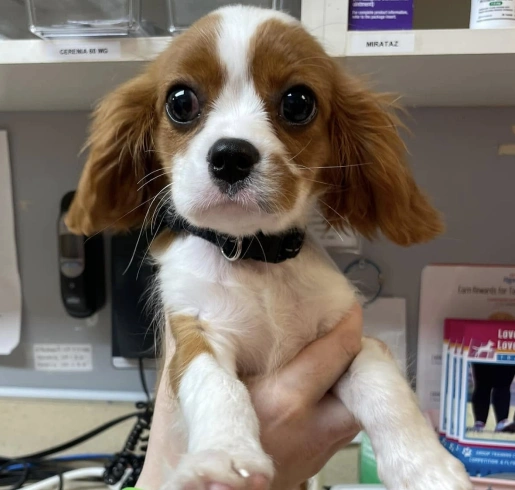
Caring for Your New Puppy & Kitten
Puppies and kittens are quite vulnerable to disease and infestations, so regular veterinary exams allow us to monitor the situation and provide prompt treatment if it becomes necessary. Nothing takes the place of your wellness visits, no matter how well informed a pet owner becomes. And yet, an owner’s insights and observations become critical in providing optimum veterinary care for any pet. Our veterinarians, technicians, and staff work closely with every pet owner to find the best solution to problems and the most appropriate treatment for every puppy and kitten.
Reminders for New Puppy and Kitten Owners
- Be sure to bring pets in every 3 weeks for their puppy or kitten boosters. If your pet comes in after this time, we will have to start the booster series over!
- Your pet may feel lethargic after vaccines are given. Make sure that any vaccine reactions do not exceed 24 hours.
- Your pet will be eligible for spay/neuter/declaw surgery at 6 months of age, or when the booster series is completed. We highly recommend microchipping all pets at the time of spay or neuter surgery, as insertion is simple and painless while a pet is anesthetized.
- Your pet will likely be started on heartworm and flea preventive at the initial visit. Be sure to give heartworm preventive every month for the rest of your pet’s life to avoid heartworm disease and intestinal parasites. Give flea preventive once a month as well to avoid flea and tick infestation.
- Please bring in a stool sample, either at your first visit or your earliest convenience. We use the sample to screen your pet for intestinal parasites, such as hookworms and roundworms. Until you receive the results of this test, be sure to regularly pick up and dispose of your pet’s stool. This will help to avoid re-infestation if your pet does have parasites and prevent exposure to zoonotic parasites, which are the kind passed from pets to humans.
- Make sure your pet is eating an AAFCO-approved puppy or kitten food. We are happy to make recommendations that will suit your young pet.
- Always keep a list of any questions or concerns you may have and bring them to your wellness visit. We are happy to listen, offer guidance, and provide additional resources to enhance your pet ownership experience and the development of the human–animal bond.

Puppy Information
On their puppy’s first visit, puppy owners will receive our very informative Puppy Packet. The Puppy Packet contains valuable health information about the following:
- Vaccinations
- Heartworms, fleas, and parasites
- House training
- Diet
- Puppy care
- Spay, neuter, and microchip
- Poisonous plants
Palmetto Animal Hospital offers detailed instructions for Housebreaking Your Puppy by using a crate and a suggested schedule to assist with the process.
Feel free to download these two training guides, and you can look forward to receiving a Puppy or Kitten Packet at your first wellness visit.
For more information about zoonotic diseases and ways to protect your pets and family, visit the Centers for Disease Control (CDC) website.

Kitten Information
At your kitten’s first visit, we will give you our very informative Kitten Packet. This packet contains information on many important health-related issues for your new kitten:
- Vaccines, FeLV/FIV
- Spay, neuter, and declawing
- Parasites
- Kitten care and etiquette
- Poisonous plants
Palmetto Animal Hospital also offers detailed instruction in Teaching Your Kitten How to Use the Litter Box and measures to explore when your pet is uncooperative.
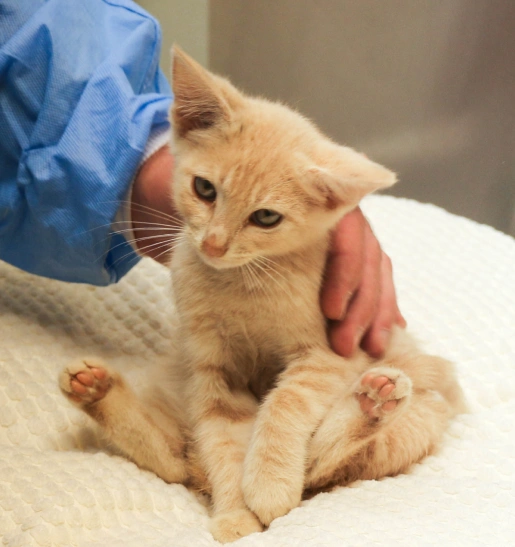
Spay/Neuter Procedure
Our veterinarians perform spay/neuter procedures on a regular basis intended to sterilize pets, prevent unwanted litters, and protect pets from certain cancers and infections as they age. For both males and female cats and dogs, small incisions allow us to remove the reproductive organs in a safe and quick manner.
These procedures, for dogs or cats, are performed under anesthesia, with your pet fully asleep and monitored throughout. They are some of the safest procedures we perform, and we take every precaution to ensure a positive outcome.
We realize that any surgical procedure can be as stressful on the owner as on the pet, and we’re here to reassure you every step of the way. We will advise you on the most appropriate age to have your cat or dog spayed or neutered, and will explain what the procedure and recovery entails.