

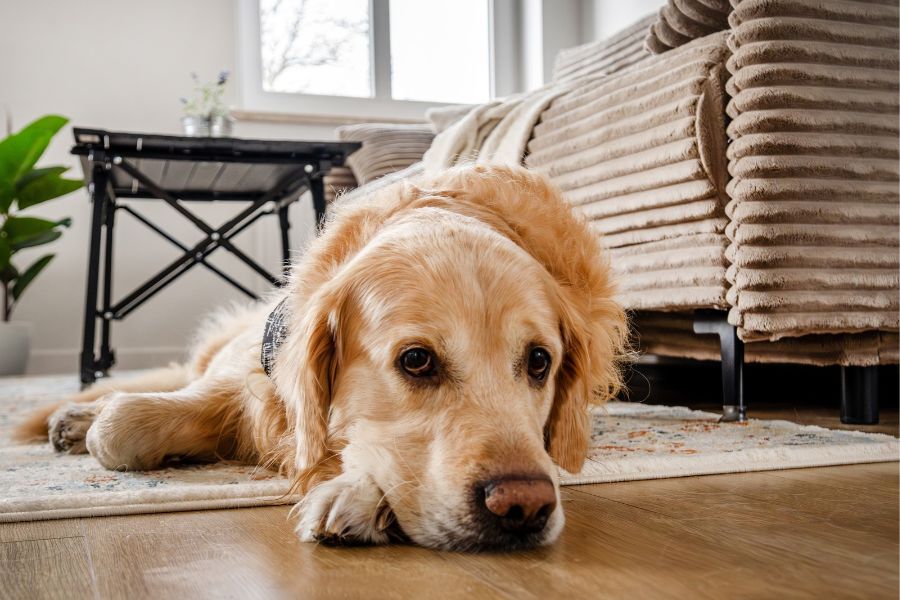
A dog that repeatedly shakes its head, scratches an ear, or resists touch may have an infection, not simple irritation. Ear infections can be painful, and untreated inflammation may reach deeper parts of the ear. Head tilt, poor balance, bleeding, severe pain, or sudden movement changes need urgent assessment. This guide covers symptoms, causes, treatment, home precautions, and when to seek urgent pet care in Florence.
How to Recognize a Dog Ear Infection
Watch for changes in behavior and ear appearance. Pay attention to whether the dog favors one side, wakes at night, or seems unusually irritable. These small changes can help distinguish a minor hygiene concern from discomfort that needs professional attention.
Common symptoms
- Frequent head shaking or scratching
- Redness, warmth, or swelling
- Strong or unpleasant odor
- Yellow, brown, dark, or moist discharge
- Whining or pulling away when touched
- Rubbing the head against furniture or the floor
- Scabs or crusting around the ear
A swollen ear flap may develop when shaking damages blood vessels. This is an aural hematoma and needs prompt care. Do not squeeze or drain it.
When Is an Ear Infection an Emergency?
Seek same-day care for marked pain, swelling, thick discharge, or worsening symptoms.
Seek emergency attention for these signs
- Stumbling, falling, or difficulty standing
- Persistent head tilt, circling, or unusual eye movements
- Facial drooping or trouble blinking
- Severe pain, uncontrolled distress, or ear bleeding
- Sudden hearing changes with other concerning signs
These signs may indicate middle- or inner-ear involvement. Call ahead. If your dog cannot stand or has rapidly worsening neurological signs, go to an emergency facility.
What Causes Ear Infections in Dogs?
Inflammation can allow yeast or bacteria to multiply. Ear mites, trapped plant material, excess wax, allergies, and skin conditions may also contribute.
Floppy ears, narrow canals, swimming, and allergies can increase risk. Moisture trapped after bathing can encourage irritation, while allergies may cause inflammation before an infection develops. Ear problems are not always contagious, and symptoms alone cannot tell you which organism, if any, is involved.
Outer-ear infection is called otitis externa. Deeper infection can affect hearing, balance, or facial nerves. Repeated episodes need investigation because treating the infection alone may not address its trigger.
How Is a Dog Ear Infection Diagnosed?
Similar signs can have different causes. The clinician will ask when symptoms began and whether they have recurred. Bring a list of current medicines and mention any recent swimming, grooming, or new foods. This background can help the clinician connect the ear findings with possible triggers and choose suitable care.
An examination may include:
- Checking the ear flap and canal for swelling, discharge, or injury
- Using an otoscope to inspect the canal and eardrum when visible
- Examining ear debris under a microscope for yeast, bacteria, or mites
- Recommending further tests for severe or recurring problems
A painful or blocked ear may require sedation for examination.
Dog Ear Infection Treatment: What Helps?
Treatment depends on the cause and severity. Care may include safe cleaning and prescribed drops to address infection and inflammation. Some severe infections require oral medication.
Use medication for the full prescribed course, even if your dog seems better. A recheck may confirm recovery. Never use human ear drops, peroxide, alcohol, vinegar, oils, or leftover medication unless specifically directed. Some products irritate damaged tissue or can be harmful if the eardrum is not intact.
What to Do Before the Appointment
Keep your dog calm and the ear dry. A cone may limit pawing. Avoid swimming and bathing until you receive advice.
Do not insert cotton swabs, fingers, or tools into the canal. Avoid deep cleaning or trying to remove an object. Note when symptoms began and any behavior or balance changes. Photograph visible swelling only if this can be done without touching the sore area.
Preventing Repeat Ear Problems
Check ears for odor, redness, moisture, or discharge. After swimming, dry only the outer ear gently with a soft towel. Never push anything into the canal.
Use an ear cleaner only when recommended, following the advised method and frequency. Tell the team if your dog has had similar problems before. Recurrent infections deserve investigation rather than repeated treatment without identifying the trigger.
Get Prompt Help for Ear Pain in Florence
Ear infections hurt even when a dog is eating and playing. Delaying care may prolong discomfort. Palmetto Animal Hospital is committed to providing timely, compassionate care and clear guidance.
If your dog has ear pain, discharge, swelling, or persistent head shaking, call 843-667-6720 now to discuss an urgent assessment. Bleeding, head tilt, or balance problems need immediate attention. Contact us in Florence, SC, before you arrive so the team can guide you to the right care.
Frequently Asked Questions(FAQs):
1. Can a dog ear infection go away on its own?
A: Some irritation may settle, but a true infection usually needs diagnosis and treatment. Waiting can increase pain or allow infection to spread. Schedule an exam if you notice odor, discharge, redness, or persistent scratching.
2. How quickly should I take my dog to the vet for an ear infection?
A: Call promptly when you notice pain, odor, discharge, redness, or repeated head shaking. Head tilt, stumbling, facial changes, bleeding, or severe distress require same-day or emergency assessment rather than routine monitoring.
3. What does a dog ear infection smell like?
A: An infected ear may have a strong musty, sour, or foul odor. Smell cannot identify the cause, because yeast, bacteria, and other ear problems can look similar and require an examination.
4. Can I clean my dog’s infected ear at home?
A: Avoid cleaning a painful, swollen, or discharging ear until a clinician advises you. Deep cleaning and household liquids may worsen irritation or cause harm, particularly if the eardrum is damaged. Follow specific instructions only.
5. Are dog ear infections painful?
A: Yes. Inflammation can make the ear canal tender, itchy, and painful. Dogs may yelp, hide, resist touch, or shake their heads repeatedly. A prompt examination can identify the cause and help relieve discomfort safely.
6. Why does my dog’s ear infection keep coming back?
A: Repeated infections may be linked to allergies, moisture, ear-canal shape, parasites, or an infection that did not fully clear. Palmetto Animal Hospital can assess recurring symptoms and discuss testing, treatment, and prevention suited to your dog’s needs.
