If your dog keeps scratching their ears, shaking their head, or developing an unpleasant ear odor even after treatment, you may be dealing with recurring ear infections. Dog ear infections often return when the underlying cause remains untreated. Allergies, trapped moisture, ear anatomy, excess wax, and incomplete treatment can all contribute to repeated problems.
While ear drops and medications may clear an active infection, they do not always prevent another one. Understanding what triggers these infections is the first step toward breaking the cycle. Recognizing early warning signs, following the recommended treatment plan, keeping your dog’s ears clean and dry, and addressing ongoing skin or allergy problems can help reduce future flare-ups.
Let’s explore why dog ear infections keep coming back, what makes some dogs more vulnerable, and what you can do to protect your dog’s ear health.
Why Do Dogs Get Recurring Ear Infections?
A recurring ear infection, also called recurrent otitis, develops when inflammation or infection returns after an earlier episode appears to have improved.
A dog’s ear canal is shaped differently from a human’s. It has a vertical section followed by a horizontal section, creating an L-shaped passage. This structure can make it harder for moisture, debris, and wax to escape naturally.
When the ear canal becomes irritated, its lining can swell and produce extra wax. This creates an environment where yeast and bacteria can multiply.
However, the infection itself is often only part of the problem. Something may be repeatedly irritating the ear and allowing microorganisms to grow.
Common reasons include:
- Environmental or food allergies.
- Moisture trapped inside the ear canal.
- Excessive earwax buildup.
- Ear mites or other parasites.
- Bacterial or yeast overgrowth.
- Narrow ear canals or heavy, floppy ears.
- Incomplete treatment of an earlier infection.
- Underlying skin conditions.
Identifying the actual trigger is essential because treating the infection without addressing its cause often leads to another episode.
7 Common Reasons Your Dog’s Ear Infection Keeps Returning
Not every recurring ear infection has the same cause. Some dogs experience repeated problems because of their environment, while others have ongoing skin conditions or anatomical features that make their ears more vulnerable.
Here are seven common explanations.
1. Allergies Are Triggering Repeated Inflammation
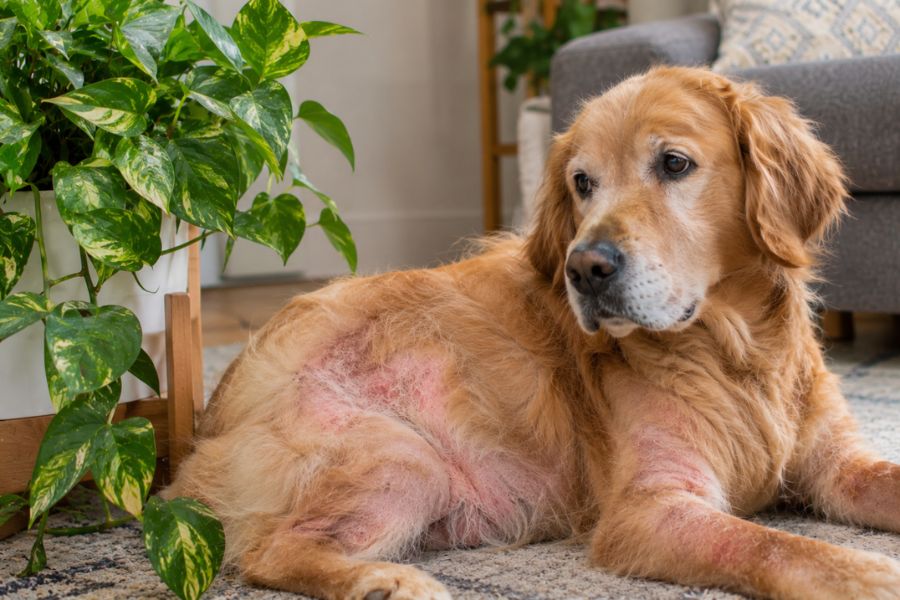
Allergies are among the most common underlying causes of recurring ear infections in dogs.
When a dog reacts to an allergen, the immune system triggers inflammation. This can affect different parts of the body, including the skin inside the ears. An irritated ear canal produces more wax and becomes more vulnerable to yeast and bacterial overgrowth.
Common allergy triggers include:
- Pollen from grass, trees, and weeds.
- Dust mites and household dust.
- Mold spores.
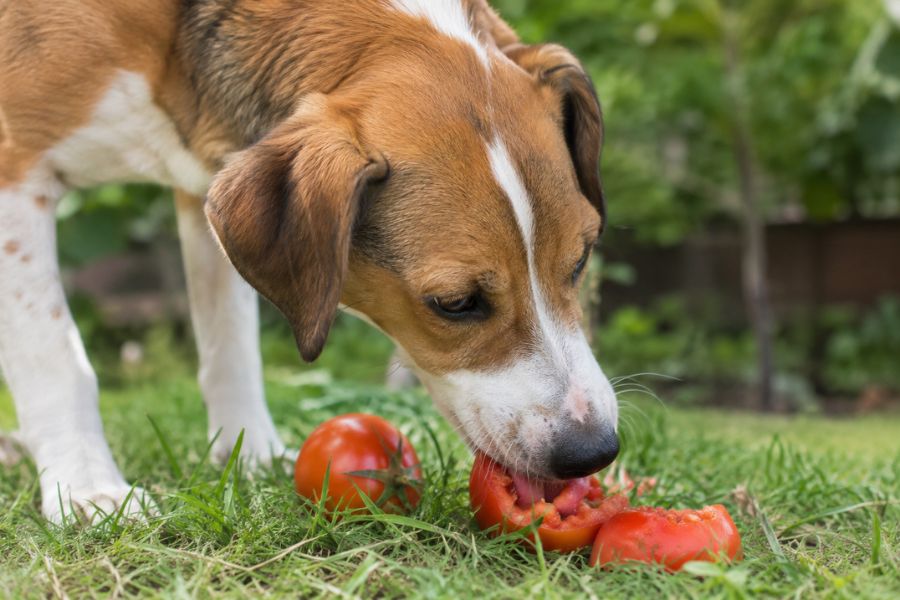
- Certain ingredients in food.
- Flea bites.
You may notice other signs alongside ear problems, such as frequent paw licking, itchy skin, face rubbing, or repeated scratching.
If your dog develops ear infections several times a year, especially alongside skin irritation, allergies deserve attention. Treating the infection alone will not control the inflammation caused by the allergy.
2. Moisture Gets Trapped Inside the Ears
Does your dog love swimming, playing in sprinklers, or enjoying frequent baths?
Water trapped inside the ear canal can create conditions that encourage yeast and bacteria to grow. Dogs with floppy ears may be more vulnerable because their ear flaps can limit airflow.
Moisture-related ear infections are common in dogs that swim regularly or have their ears cleaned with excessive amounts of liquid.
After swimming or bathing, gently dry the visible parts of your dog’s ears with a soft towel. Never push cotton swabs or other objects into the ear canal.
If your dog frequently develops infections after swimming, ask about an appropriate ear-drying product. Some cleaning solutions are unsuitable for dogs with damaged eardrums or existing inflammation.
3. The Previous Infection Was Not Fully Cleared
Your dog’s ears may look better before the infection has completely resolved.
Redness, odor, and scratching can improve within a few days of treatment. However, bacteria or yeast may remain inside the ear canal.
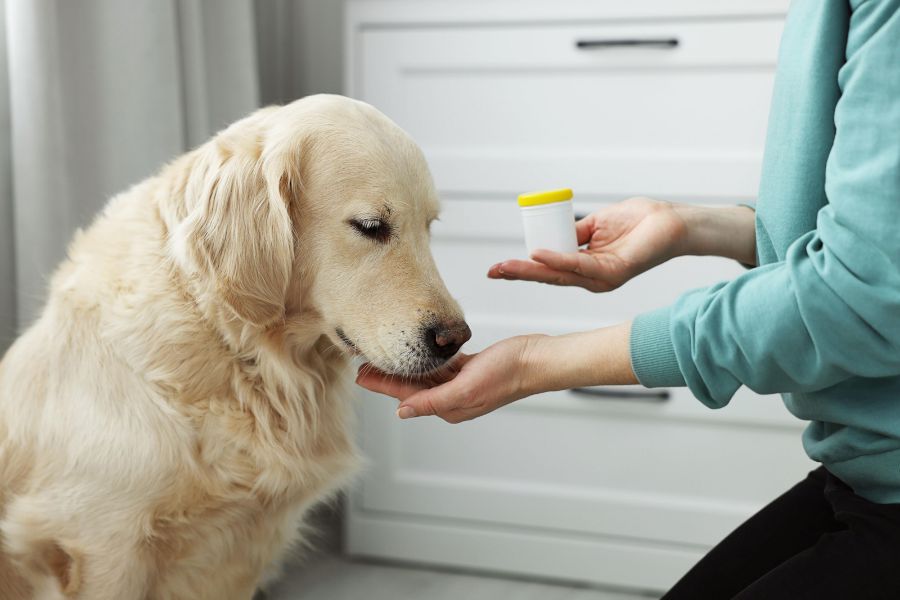
Stopping medication early, missing doses, or using leftover ear drops without checking with a professional can allow the infection to return.
Some infections also involve organisms that do not respond to the first medication used.
Follow the complete treatment schedule, even when your dog seems comfortable again. A follow-up ear examination helps confirm that the infection has cleared rather than simply becoming less noticeable.
4. Your Dog Has Excessive Earwax Buildup
Earwax helps protect the ear canal by trapping dust and other small particles. However, excessive wax can create problems.
When too much wax accumulates, it can trap moisture, collect debris, and interfere with normal airflow. This creates an environment where microorganisms can multiply.
Some dogs naturally produce more earwax than others. Allergies and ongoing inflammation can also increase wax production.
Look for dark, sticky, or unusually heavy discharge. While normal earwax varies in color and amount, sudden changes accompanied by odor, redness, or discomfort may indicate an infection.
Avoid aggressive cleaning. Excessive cleaning can irritate the ear canal and make the problem worse.
5. Your Dog’s Ear Shape Makes Infections More Likely
Certain physical features can increase the risk of repeated ear infections.
Dogs with long, floppy ears may experience reduced airflow around the ear canal. Breeds with narrow or hairy ear canals can also have difficulty allowing moisture and debris to escape.
Breeds commonly associated with ear problems include:
- Cocker Spaniels.
- Basset Hounds.
- Labrador Retrievers.
- Golden Retrievers.
- Poodles.
- Bulldogs.
- Shar-Peis.
However, any dog can develop an ear infection, regardless of breed or ear shape.
If your dog has naturally narrow ear canals or heavy ear flaps, regular ear checks can help identify early changes before they become painful.
6. Yeast and Bacteria Keep Growing
A healthy dog’s ears contain small amounts of naturally occurring microorganisms. Problems develop when the balance changes and certain organisms multiply excessively.
Two common causes of ear infections are:
- Yeast infections: Yeast, particularly Malassezia, can multiply when the ear canal becomes warm, moist, and inflamed. These infections often cause a musty odor, brown discharge, redness, and persistent itching.
- Bacterial infections: Bacteria can multiply in an irritated ear canal, causing swelling, discharge, pain, and an unpleasant smell. Some bacterial infections become difficult to treat when resistant organisms are involved.
A dog can also have a mixed infection involving both yeast and bacteria.
An ear examination and microscopic evaluation of a discharge sample help identify which organisms are present. This matters because yeast infections and bacterial infections may require different medications.
7. An Underlying Health Problem Is Being Overlooked
Sometimes, recurring ear infections are connected to a broader health issue.
Chronic skin inflammation, hormonal conditions such as hypothyroidism, and certain immune-related problems can affect the skin and ears.
Long-term inflammation can also change the structure of the ear canal. Repeated swelling may cause the canal to become thickened and narrowed, making future infections harder to control.
When infections continue despite appropriate treatment, additional testing may be needed to identify an underlying condition.
What Are the Warning Signs of Another Ear Infection?
Recognizing the early signs of an ear infection can help you seek treatment before discomfort becomes severe.
Watch for these changes:
| Warning sign | What it may indicate |
|---|---|
| Frequent head shaking | Irritation or discomfort inside the ear |
| Repeated ear scratching | Itching caused by inflammation |
| Redness or swelling | An irritated or infected ear canal |
| Unpleasant odor | Possible yeast or bacterial overgrowth |
| Brown, yellow, or bloody discharge | Wax buildup, infection, or injury |
| Pain when touching the ears | Inflammation or a more serious problem |
| Head tilting | Possible middle or inner ear involvement |
Some dogs also become unusually quiet, irritable, or reluctant to have their heads touched.
When should you seek immediate attention? Contact an animal clinic promptly if your dog develops a head tilt, loss of balance, unusual eye movements, severe pain, or facial weakness. These signs can indicate deeper ear involvement.
How Are Recurring Dog Ear Infections Diagnosed?
Treating repeated infections requires more than identifying redness or discharge. The underlying cause must also be investigated.
The diagnostic process may include several steps.
Physical Ear Examination
The ear canal and visible ear structures are checked for redness, swelling, discharge, foreign material, and signs of injury.
An otoscope may be used to examine deeper parts of the canal and assess the eardrum when visibility allows.
Ear Cytology
Ear cytology involves collecting a small sample of discharge and examining it under a microscope.
This helps identify whether yeast, bacteria, or inflammatory cells are present. It also helps determine whether the current treatment is appropriate.
Bacterial Culture
If an infection is persistent, severe, or unresponsive to treatment, a bacterial culture may be recommended.
This test identifies the bacteria responsible and helps determine which antibiotics are likely to work.
Allergy and Health Assessment
If infections continue returning, the examination may also focus on allergies, skin conditions, hormonal problems, or other underlying health concerns.
Finding the trigger helps create a treatment plan that addresses both the current infection and the reason it keeps developing.
How Can You Prevent Dog Ear Infections From Coming Back?
Although some dogs are naturally more prone to ear infections, consistent care can reduce the frequency of flare-ups.
Here are practical steps you can follow.
1. Establish a Regular Ear-Checking Routine
Check your dog’s ears once a week for unusual odor, redness, discharge, or excessive wax.
Healthy ears generally look clean and do not have a strong unpleasant smell. If you notice changes, avoid waiting until your dog starts scratching constantly.
2. Keep the Ears Dry After Swimming and Bathing
Use a clean, soft towel to dry the visible ear flap and surrounding area after water activities.
Avoid inserting towels, cotton swabs, or other objects into the canal. If your dog swims frequently, ask which drying products are safe for their ears.
3. Use Ear Cleaners Only When Recommended
Not every dog needs frequent ear cleaning. Overcleaning can remove protective oils and irritate sensitive skin.
Use a cleaning solution recommended for your dog’s specific condition. Avoid homemade mixtures, hydrogen peroxide, alcohol, and other harsh products.
Never use an ear cleaner if your dog has a painful ear or a potentially damaged eardrum without professional guidance.
4. Manage Allergies Consistently
If allergies are responsible for repeated ear inflammation, controlling those allergies is an important part of prevention.
This may involve identifying environmental triggers, reviewing your dog’s diet, controlling fleas, or following an allergy management plan.
5. Complete Every Treatment Course
Give prescribed medications according to the instructions. Do not stop treatment simply because the odor or itching has disappeared.
Attend recommended follow-up visits so the ear can be checked for remaining infection or inflammation.
6. Avoid Using Leftover Medication
Ear drops prescribed for an earlier infection may not be suitable for a new one.
Different infections require different treatments. Some medications can also cause harm if the eardrum is damaged.
Always have a recurring problem examined before restarting medication.
Can Recurring Ear Infections Cause Permanent Damage?
Yes. Repeated or untreated ear infections can lead to long-term changes in the ear canal.
Chronic inflammation may cause thickening of the canal walls, narrowing of the passage, and scarring. These changes can make cleaning and medication delivery more difficult.
In severe cases, infection may spread into the middle or inner ear, affecting hearing and balance.
Some dogs develop permanent hearing loss or require surgery when chronic ear disease becomes advanced.
This is why repeated infections should never be treated as a minor inconvenience. Early diagnosis and consistent care can prevent many complications.
Conclusion: Breaking the Cycle of Recurring Ear Infections
When dog ear infections keep coming back, the problem usually goes beyond the infection itself. Allergies, trapped moisture, excess wax, ear anatomy, and incomplete treatment can all contribute to repeated episodes.
The most effective approach is to identify the underlying trigger, treat the active infection correctly, and follow a prevention routine that suits your dog’s needs.
Pay attention to repeated head shaking, unpleasant odors, discharge, and ear scratching. These signs deserve attention, even if your dog recently completed treatment.
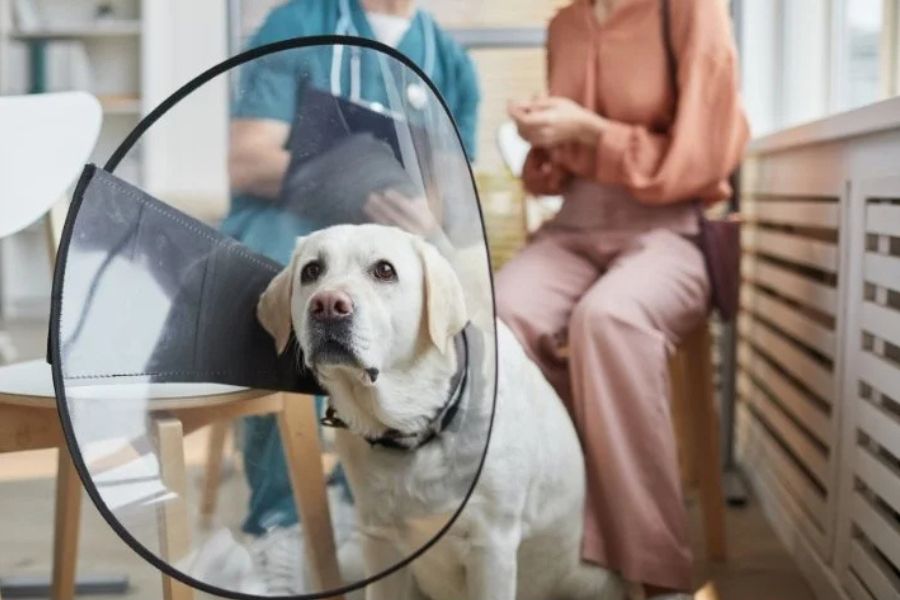
If your dog has experienced multiple ear infections or the symptoms return shortly after medication ends, book an appointment with your animal care provider for a thorough ear examination. Early attention can reduce discomfort, prevent complications, and help your dog enjoy healthier ears.
Frequently Asked Questions(FAQs):
1. Why does my dog keep getting ear infections even after treatment?
A: Your dog may have an underlying problem that has not been addressed, such as allergies, excessive moisture, or abnormal ear anatomy. The earlier infection may also have been incompletely treated. A follow-up examination and ear testing can help identify the reason for repeated infections.
2. How often is it normal for a dog to get an ear infection?
A: There is no normal frequency for ear infections. A healthy dog should not experience repeated infections as a routine occurrence. If your dog develops multiple infections within a year, an examination is important to identify possible allergies, chronic inflammation, or other contributing conditions.
3. Can food allergies cause recurring ear infections in dogs?
A: Yes. Food allergies can trigger inflammation and itching that affect the ears. Dogs may also experience paw licking, skin irritation, and repeated scratching. A properly supervised elimination diet is commonly used to investigate suspected food allergies.
4. Should I clean my dog’s ears every day to prevent infections?
A: No. Daily cleaning is unnecessary for most dogs and may irritate the ear canal. Cleaning frequency depends on your dog’s ear health, wax production, and infection history. Follow an individualized cleaning schedule rather than cleaning excessively.
5. Can recurring ear infections make my dog lose hearing?
A: Yes. Severe or long-lasting infections can damage structures inside the ear and affect hearing. Chronic inflammation can also cause permanent changes to the ear canal. Prompt diagnosis and appropriate treatment help reduce the risk of lasting damage.