Dog skin allergies have several possible triggers, and symptoms can look alike. This guide separates myths from facts, explains safe steps at home, and shows when professional assessment matters.
Myth 1: Scratching Always Means an Allergy
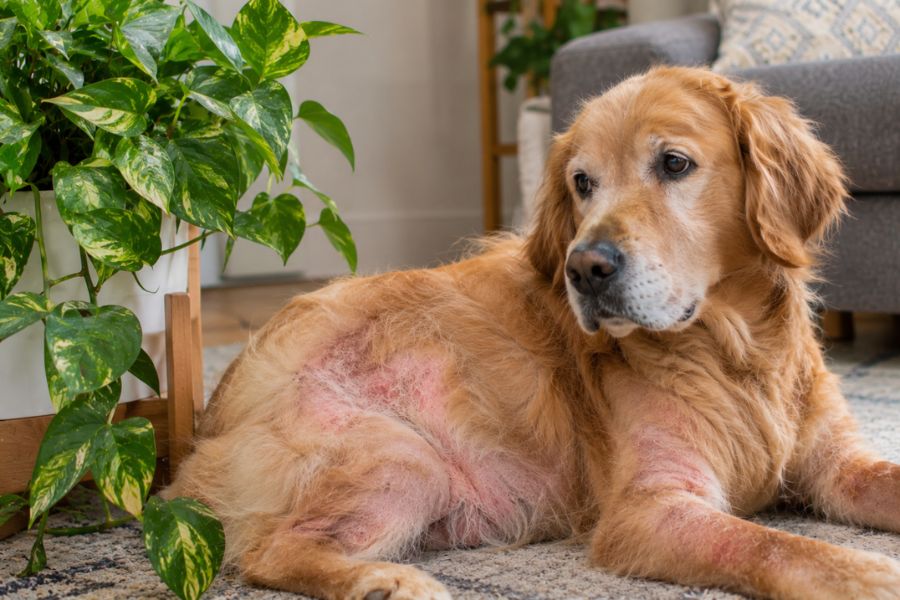
Scratching is a sign, not a diagnosis. Dogs may itch because of fleas, mites, infections, dry skin, contact irritation, or allergies. Allergies may cause paw licking, face rubbing, red patches, or recurring ear inflammation, but these signs do not prove the cause.
What to do: Note when itching started and what seems to trigger it. Share these details with your care team.
Myth 2: Fleas Are Easy to Spot
A dog can develop flea allergy dermatitis after only a few bites. Some dogs react to flea saliva, causing itching and scabs near the tail base or thighs.
Use recommended flea prevention for every household pet. Treating only the itchy dog may not control an infestation. Never apply products made for another species; some can be dangerous to cats.
Myth 3: Food Causes Every Skin Flare
Food allergies can cause itching, ear problems, and digestive signs, but environmental allergens and parasites are also common. Red paws or a rash cannot identify the trigger by appearance alone.
How food allergy is checked
A professional may recommend an elimination diet. The dog must eat only trial food, without treats, scraps, or unapproved chews. Improvement alone does not confirm the diagnosis; a planned food challenge may be needed. Blood, saliva, and hair tests marketed for food allergy are not reliable substitutes for a proper diet trial.
Myth 4: Grain-Free Food Automatically Fixes Itching
Most itchy dogs do not need a grain-free diet just because they have skin symptoms. Food reactions involve particular ingredients, often proteins, rather than grains as a category. Unnecessary changes can hide the trigger or create nutritional concerns.
Keep a record of food, treats, supplements, and symptoms. Ask before starting a homemade diet. Choose food suited to your dog’s age and health.
Myth 5: Human Creams and Natural Remedies Are Always Safe
Coconut oil, essential oils, herbal sprays, and human anti-itch creams are not universal solutions. Some ingredients may be toxic. Oatmeal-based dog products can soothe mild irritation, but they will not cure an infection or remove an allergen.
Avoid applying medication without guidance, especially products containing pain relievers, steroids, zinc, or numbing ingredients. Contact us if skin is open, wet, painful, or worsening.
Myth 6: Allergies Can Be Cured With One Injection
Some treatments reduce itching quickly, but relief does not mean the underlying condition is gone. Long-term control depends on the cause, severity, infection status, and response. A plan may include parasite prevention, medication, bathing, diet trials, or allergy management. No treatment works for every dog.
Ask about expected improvement, follow-up, and side effects. Never change a prescribed dose or stop treatment without consulting the prescribing professional.
Myth 7: A Bath Always Makes Allergies Worse
The wrong product or schedule can dry or irritate skin. A suitable dog shampoo, including a medicated option when recommended, may remove allergens and help manage certain conditions. Human shampoo is usually unsuitable because skin needs differ between people and dogs.
Follow product instructions. Stop using a product if redness or discomfort increases. Bathing cannot identify the cause of itching.
When Should You Seek Help?
Arrange an appointment if itching persists, interrupts sleep, or causes hair loss, odor, scabs, or recurring ear trouble. Seek prompt care for spreading redness, pus, swelling, severe pain, or wounds caused by scratching. Facial swelling, breathing difficulty, collapse, or sudden widespread hives may signal a serious reaction and need emergency attention.
Photograph flare-ups and list foods, products, and medications. Avoid changing several things at once; that can hide useful clues. A history helps guide care.
Conclusion: Replace Guesswork With a Clear Plan
Dog skin allergy myths can lead to delays, unnecessary food restrictions, and unsafe home treatments. Itching has several possible causes, and effective care starts by identifying the trigger. Track flare-ups, use parasite prevention as directed, avoid unapproved remedies, and review the plan when symptoms change.
If you’re located in Florence, reach out to Palmetto Animal Hospital, where compassionate care and community come together for your pet’s well-being. Share your observations and seek help when itching persists.
Frequently Asked Questions(FAQs):
1. What are common signs of skin allergies in dogs?
A: Signs include persistent scratching, paw licking, face rubbing, red skin, hair loss, recurring ear infections, and irritated belly or armpit areas. These symptoms have other possible causes, so an examination may be needed.
2. How can I tell if my dog has a food allergy?
A: You cannot confirm a food allergy from itching alone. A professional may recommend a strict elimination diet followed by a controlled food challenge. Avoid changing foods repeatedly or relying on commercial allergy tests.
3. Can dog skin allergies go away on their own?
A: Mild irritation may settle when a temporary trigger disappears, but recurring itching needs attention. Parasites, infection, and allergies can worsen without appropriate care. Seek advice if symptoms persist or the skin becomes damaged.
4. What can I give my dog for itchy skin?
A: The right treatment depends on the cause. Avoid giving human medicines or applying creams without professional guidance. Ask about safe bathing products, parasite control, and suitable medication after your dog has been assessed.
5. Are dog skin allergies contagious to people or pets?
A: Allergies themselves are not contagious. Some conditions that resemble allergies, including certain mites or fungal infections, can spread between animals and sometimes affect people. A proper diagnosis helps you take suitable precautions.
6. When is itchy skin an emergency for a dog?
A: Seek emergency care for breathing difficulty, collapse, sudden facial swelling, or widespread hives. Rapidly worsening skin, severe pain, pus, or open wounds also need prompt assessment to prevent complications.