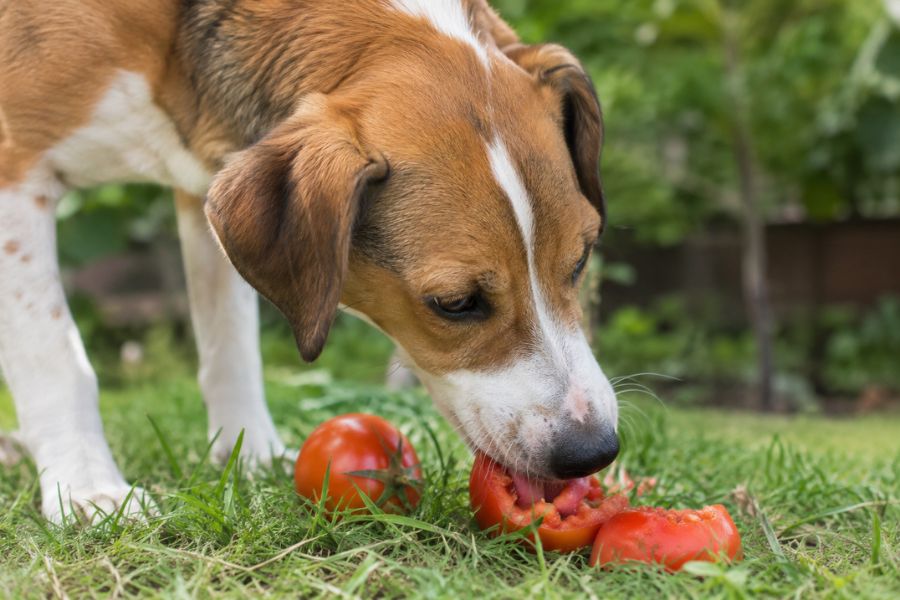
A small taste of ripe tomato is different from a spoonful of sauce or ketchup. Dogs can eat tomatoes safely, but prepared tomato products often contain salt, sugar, garlic, onion, spices, or other ingredients that are unsuitable for dogs. This guide explains when tomato products become a concern, what symptoms to watch for, what to do after accidental ingestion, and which safer choices you can offer instead.
Can Dogs Eat Tomato Sauce?
Most tomato sauce made for people is not a good choice for dogs. The recipe matters more than the tomato.
Pasta sauces, pizza sauces, and seasoned tomato sauces can contain onion or garlic, including concentrated powders. These ingredients can damage red blood cells and may cause anemia after enough exposure. Many sauces also contain high amounts of sodium, sugar, oil, and seasonings.
A larger amount deserves more attention. Puppies, small dogs, older dogs, and dogs with existing health concerns may have less room for dietary mistakes.
Is Tomato Sauce Toxic to Dogs?
Tomato sauce is not automatically toxic. Its safety depends on the ingredients and quantity consumed. Plain, cooked, unseasoned tomato is generally a different situation from a heavily seasoned jarred sauce.
Unripe green tomatoes, stems, and leaves contain higher levels of tomatine than ripe red fruit. Large quantities can cause digestive or other signs. Ripe tomatoes contain much less tomatine.
Read the ingredient label. Look for onion, garlic, excessive salt, chili, sweeteners, and rich fats. Xylitol is particularly dangerous and requires immediate attention.
Can Dogs Eat Ketchup?
Ketchup is best kept off a dog’s menu. A small accidental lick is unlikely to cause a problem, but ketchup provides little nutritional value and commonly contains added sugar and salt.
Some ketchup products include onion powder, garlic powder, spices, or sweeteners. Ingredients differ among brands, so the label matters. Sugar-free products deserve special caution because some may contain xylitol, an ingredient that can cause a rapid and dangerous drop in blood sugar and potentially liver injury in dogs.
Why Are Onion and Garlic a Concern?
Onion and garlic belong to the Allium family. Dogs can become sick after eating enough of these foods, whether raw, cooked, dried, or powdered. Powders can be especially concerning because they are concentrated.
Signs can include vomiting, weakness, reduced appetite, pale gums, fast breathing, tiredness, or dark urine. Some effects may be delayed, so monitor even if your dog initially seems normal.
How Much Tomato Sauce Is Too Much?
There is no single safe amount for every dog. Risk depends on the dog’s size, the recipe, the amount eaten, and the concentration of potentially harmful ingredients.
If your dog only tasted a small amount of ketchup, monitor for stomach upset and check the label. If your dog ate a large serving, a sauce containing onion or garlic, or a sugar-free product with possible xylitol, contact a veterinary professional promptly.
Do not make your dog vomit unless a professional specifically instructs you to do so. Have the product container available. The label can help determine the ingredients and approximate exposure.
What Symptoms Should You Watch For?
Digestive upset can include vomiting, diarrhea, drooling, abdominal discomfort, or reduced appetite. More concerning signs include weakness, pale gums, collapse, breathing difficulty, tremors, seizures, or severe lethargy.
Symptoms may be delayed. Keep watching your pet and seek urgent help if serious signs develop.
If you are uncertain about what your dog consumed, professional guidance is safer than waiting for symptoms. Prompt advice can be especially important for small dogs, puppies, and products with unknown ingredients.
What Should You Do If Your Dog Eats Ketchup or Sauce?
Start with the basics. Remove access to the food. Check the ingredient list. Estimate how much your dog ate and when it happened. Note your dog’s weight.
For suspected xylitol exposure, treat the situation as urgent. For substantial onion or garlic exposure, contact your animal care provider for guidance. If your dog develops severe symptoms, seek emergency care.
Safer Tomato Options for Dogs
Want to share tomato with your dog? A small portion of ripe, red tomato flesh can suit many dogs. Remove the stem and leaves. Wash the tomato and offer a piece.
Avoid seasoned tomato dishes. Skip tomato soup, pizza sauce, pasta sauce, salsa, ketchup, and spicy preparations.
When to Seek Veterinary Care
Seek veterinary care when the amount eaten is large, the product contains xylitol, onion, or garlic, or your dog shows worrying symptoms.
Keep packaging or a photograph of the ingredient label available. Details help assess the exposure.
The Bottom Line
Can dogs eat tomato sauce or ketchup? They should not be regular treats. Plain ripe tomato can suit many dogs in small portions, while prepared products may contain risky ingredients. Check labels, control portions, and act promptly when harmful ingredients or serious symptoms appear.
Frequently Asked Questions(FAQs):
1. Can dogs eat a little ketchup?
A: A small lick of regular ketchup is unlikely to harm many dogs, but ketchup is not a healthy treat. Check the label for onion, garlic, xylitol, excessive salt, and other ingredients before deciding whether monitoring is enough.
2. Can dogs eat homemade tomato sauce?
A: Homemade sauce can be safer when it contains only ripe tomatoes and no onion, garlic, heavy seasoning, excess salt, or rich ingredients. Even then, offer only a small portion and avoid sauces made with unripe fruit or plant parts.
3. What happens if my dog eats tomato sauce?
A: Your dog may experience stomach upset, especially after eating a rich or seasoned sauce. Risk increases when onion, garlic, xylitol, or large quantities are involved. Check ingredients, estimate the amount, monitor closely, and seek professional guidance when needed.
4. Can dogs eat pasta sauce?
A: Prepared pasta sauces are best avoided because recipes often include onion, garlic, salt, sugar, oils, or spices. A tiny taste may not cause trouble, but larger exposures or concerning ingredients warrant a call to a professional.
5. Are tomatoes safe for dogs?
A: Ripe, red tomato flesh can be offered in small portions to many dogs. Remove stems and leaves, which contain higher levels of tomatine. Avoid unripe green tomatoes and seasoned tomato products, which can introduce additional dietary risks.
6. Should I call a vet if my dog eats ketchup?
A: Call a vet promptly if the ketchup contains xylitol, your dog ate a large amount, your dog is very small, or symptoms appear. Keep the product label nearby so the ingredients and quantity can be reviewed accurately.