Living with cats can be difficult for people who sneeze, itch, or develop watery eyes. “Hypoallergenic cat” sounds like a simple solution, but no cat is completely allergy-free. Cat allergies are linked mainly to proteins in saliva and skin, not fur. Some cats may spread fewer allergens. This guide covers lower-allergen breeds, hairless cats, home allergen control, adoption choices, and veterinary care.
What Does “Hypoallergenic Cat” Mean?
“Hypoallergenic” means less likely to cause an allergic reaction. It does not mean incapable of causing one. No cat breed is guaranteed to produce zero allergens.
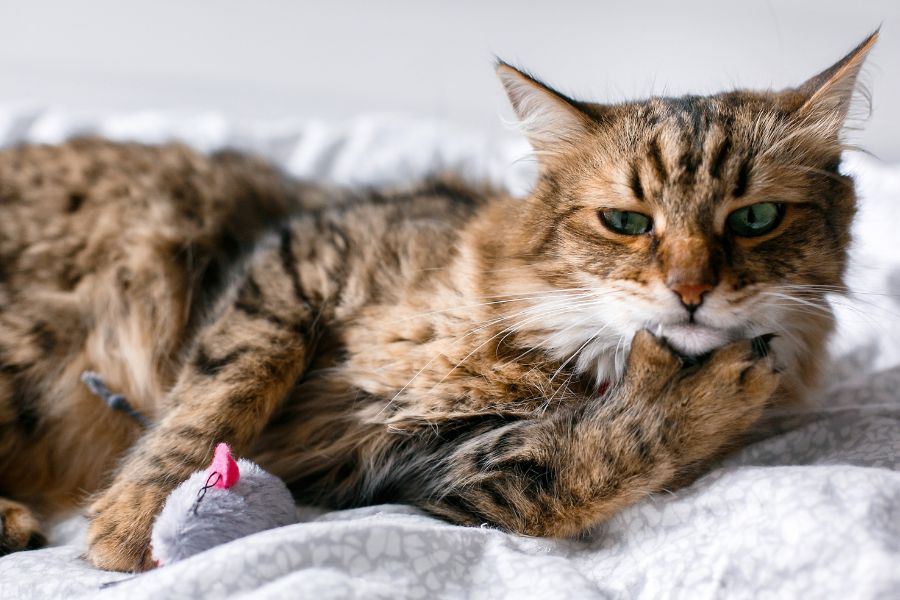
The main cat allergen is a protein called Fel d 1. Cats produce it in saliva and skin glands. During grooming, saliva spreads across the coat. Dried skin flakes, called dander, enter the environment. Allergens can cling to furniture, clothing, carpets, and bedding.
People can react strongly to one cat and tolerate another. Cats can differ in allergen production.
Are Cat Allergies Caused by Cat Hair?
Cat hair is not the primary allergen. Hair acts as a carrier.
When a cat sheds, allergen-containing particles move around the home. Loose fur can collect dander and saliva proteins. Short-haired cats can trigger allergies, too. Long-haired cats are not automatically more allergenic.
Less shedding may reduce allergen distribution, but cannot guarantee an allergy-free experience.
Which Cats Are Considered Hypoallergenic?
Searches for “best hypoallergenic cats” often lead to several breeds. Siberian cats, Balinese cats, Russian Blues, Devon Rex, Cornish Rex, and Sphynx cats are commonly described as lower-allergen options.
Siberian Cats
Some Siberians may produce lower Fel d 1 levels than other cats. Their long coat does not make them allergy-proof.
Balinese Cats
Balinese cats have a fine, silky coat and appear on hypoallergenic cat lists. Some individuals may produce less Fel d 1.
Russian Blue Cats
Russian Blues have dense coats that can hold loose particles close to the body. Some allergy sufferers report better experiences. Individual tolerance remains important.
Devon Rex and Cornish Rex
These breeds have unusual coat textures and shedding patterns. Less visible shedding does not mean fewer allergens. Their skin and saliva contain allergenic proteins.
Sphynx Cats
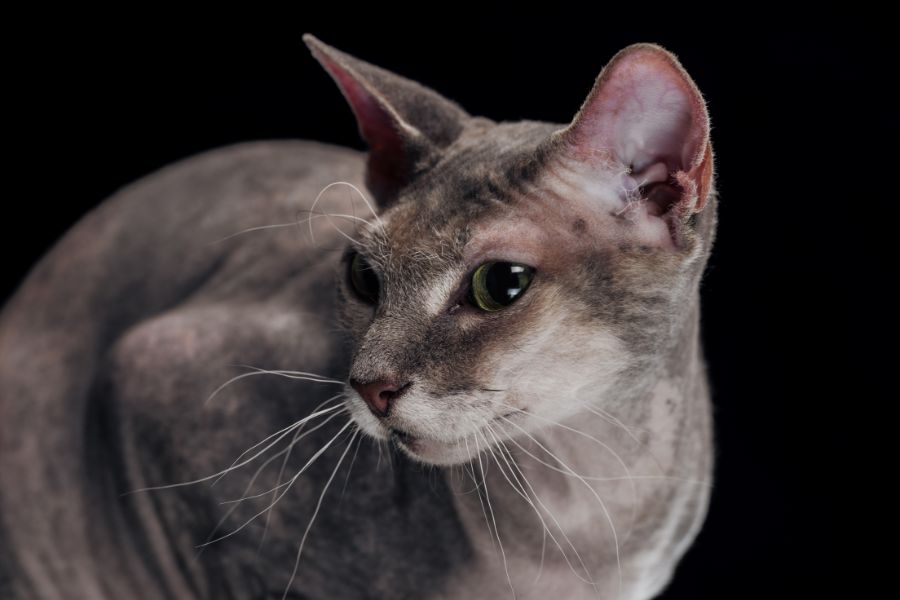
Sphynx cats have little visible hair, which can seem ideal for allergy sufferers. They still produce Fel d 1 and leave allergens on skin, surfaces, and bedding. Their skin needs regular cleaning.
Can a Hairless Cat Be Hypoallergenic?
A hairless cat is not an allergy-free cat. Removing most fur does not remove the proteins responsible for allergic reactions.
Sphynx cats may spread less loose hair, yet allergens remain on their skin. Regular bathing may reduce surface buildup, but frequency should match individual skin needs.
A hairless cat can still cause sneezing, itchy eyes, coughing, or skin reactions.
How Can You Reduce Cat Allergens at Home?
Your cat does not need to leave the home to manage exposure. Practical changes can lower the allergen load.
Use a HEPA air purifier where your cat spends time. Vacuum carpets, upholstery, and floors regularly. Wash bedding and cat blankets often. Keep the bedroom off-limits if symptoms are severe. Wash your hands after handling the cat.
Grooming can help control loose hair and dander. Have another household member brush the cat when possible. Clean litter boxes because dust and particles can become airborne.
How Should You Choose a Hypoallergenic Cat?
Do not choose a breed from a list alone. Spend time with the specific cat you may adopt. A shelter visit, breeder visit, or foster arrangement can reveal how your body responds.
Ask about age, grooming needs, coat type, health history, and living environment. Allergy testing can clarify sensitivity.
A “hypoallergenic” label should be treated as a starting point, not a promise.
Can Cats Develop Problems From Frequent Bathing?
Frequent bathing is not a universal allergy solution. Excessive washing can dry or irritate skin.
Your cat’s coat and skin condition should guide grooming. A professional can help identify suitable products for skin issues. Routine veterinary care supports healthy skin and overall wellbeing.
The Bottom Line
A hypoallergenic cat may be easier for some allergy sufferers to live with, not a cat that produces no allergens. Fel d 1 remains the central concern. Siberian, Balinese, Russian Blue, Devon Rex, Cornish Rex, and Sphynx cats are often discussed as lower-allergen choices, but individual cats affect people differently.
Combine exposure testing, realistic expectations, cleaning, grooming, and good cat health. Choose the individual cat based on your response, not breed reputation.
Frequently Asked Questions(FAQs):
1. Are hypoallergenic cats completely allergy-free?
A: No. Hypoallergenic means less likely to trigger symptoms, not allergen-free. All cats produce proteins that can cause reactions, and sensitivity varies between people and individual cats. Spend time with a specific cat before adoption.
2. What is the most hypoallergenic cat?
A: There is no universally safest breed. Siberian cats are often discussed because some individuals may produce less Fel d 1. Personal exposure to the specific cat is more useful than relying only on a breed label.
3. Are Sphynx cats good for people with allergies?
A: Sphynx cats can still trigger allergies because they produce Fel d 1. Their lack of a conventional coat may reduce loose hair, but allergens remain on their skin and surrounding surfaces. They are not allergy-proof pets.
4. Are cat allergies caused by fur or dander?
A: Cat allergies are mainly caused by proteins, especially Fel d 1, found in saliva and skin secretions. Fur can carry these proteins and dander through the home, increasing exposure. Dander itself is not the sole allergen.
5. How can I reduce cat allergens at home?
A: Use HEPA filtration, vacuum regularly, wash bedding, clean surfaces, limit bedroom access, and wash your hands after handling your cat. Grooming can help manage loose hair and dander. Consistent cleaning can reduce allergen buildup in living spaces.