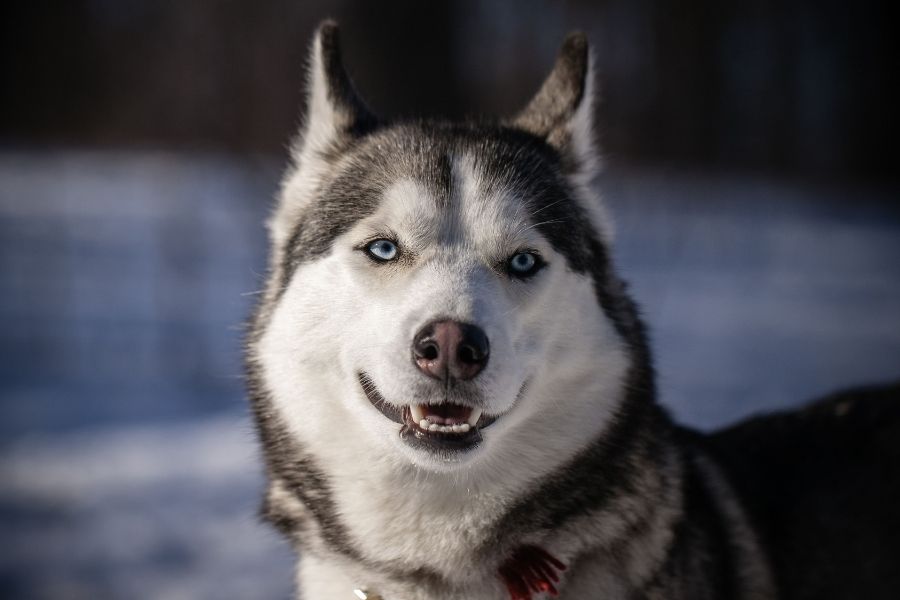
Siberian Huskies are known for their striking blue or brown eyes, thick coats, high energy, and playful personalities. With proper care, many Huskies live around 12 to 14 years, and some reach their mid-teens. But their lifespan is not determined by genetics alone. Health problems, weight, nutrition, exercise, dental care, preventive care, and the ability to spot changes early all play a role.
What health issues are most likely to affect a Husky’s quality of life? Some are inherited, while others become more likely with age or poor lifestyle habits. Knowing what to watch for can help you respond before a manageable problem becomes a serious one.
This guide covers common conditions that can affect Huskies, the warning signs owners should know, and practical ways to support a longer, healthier life.
How Long Do Huskies Usually Live?
The average Siberian Husky lifespan is about 12 to 14 years. Individual dogs can live shorter or longer lives based on genetics, overall health, lifestyle, and access to appropriate care.
Huskies are generally athletic and hardy dogs, but that does not make them immune to disease. Some conditions have a stronger genetic connection in the breed. Others are common among dogs of many breeds but can still affect a Husky’s long-term health.
The goal is not to assume your Husky will develop a particular disease. It is to understand the risks well enough to recognize changes early.
1. Hip Dysplasia and Other Joint Problems
Huskies are active dogs that love running, jumping, hiking, and playing. Their athletic nature places regular demands on their joints.
Hip dysplasia occurs when the hip joint does not develop or fit together normally. Over time, abnormal movement can damage the joint and contribute to arthritis.
Signs of joint problems
A Husky with joint pain may:
- Have trouble getting up after resting
- Walk or run differently
- Avoid stairs or jumping
- Become less interested in exercise
- Limp after activity
- Show stiffness, especially after sleeping
- Sit or lie down more often
- React negatively when a painful area is touched
Joint disease can slowly reduce a Husky’s activity level. That can lead to weight gain, muscle loss, and even less mobility.
Regular, controlled exercise helps keep muscles strong without placing unnecessary stress on the joints. Maintaining a healthy weight is just as important because every extra pound adds more strain to the hips and other joints.
2. Eye Diseases
Eye problems deserve special attention in Huskies. The breed can be affected by several inherited eye conditions, including hereditary or juvenile cataracts, progressive retinal atrophy, and corneal dystrophy.
Some eye conditions cause gradual vision loss, while others may affect the eye’s appearance without causing major vision problems.
What should Husky owners look for?
Pay attention to changes such as:
- Cloudiness in the eyes
- Redness or swelling
- Excessive tearing
- Squinting
- Rubbing the face
- Bumping into furniture
- Difficulty seeing in dim light
- Hesitation on stairs
- Changes in pupil appearance
A Husky may adapt surprisingly well to gradual vision loss, so owners sometimes do not notice a problem right away. Regular eye checks can help identify changes before they interfere heavily with daily life.
3. Hypothyroidism
Hypothyroidism occurs when the thyroid gland does not produce enough thyroid hormone. These hormones influence metabolism and many normal body functions.
A Husky with an underactive thyroid may become less energetic or gain weight even when their food and activity have not changed.
Other possible signs include:
- Dry or dull coat
- Hair thinning or hair loss
- Increased sensitivity to cold
- Low energy
- Weight gain
- Changes in skin condition
- Reduced interest in exercise
These signs can overlap with normal aging or other health problems, which is why changes should not be dismissed as “just getting older.”
Blood testing can help determine whether thyroid function is contributing to the problem.
4. Cancer
Cancer is one of the major health concerns affecting older dogs. Huskies can develop different types of cancer, just like other breeds.
Cancer does not always cause obvious symptoms in its early stages. A lump may be harmless, while a small change in appetite or behavior may have a more important underlying cause.
Watch for changes such as:
- New lumps or bumps
- Unexplained weight loss
- Persistent coughing
- Changes in appetite
- Ongoing vomiting or diarrhea
- Unusual tiredness
- Sores that do not heal
- Swelling
- Changes in bathroom habits
Finding cancer earlier can give owners more treatment options. That is why new or persistent changes deserve attention rather than a wait-and-see approach.
5. Dental Disease
Dental disease is easy to overlook because dogs cannot tell us when their teeth hurt.
Plaque can build up on the teeth and harden into tartar. As dental disease progresses, bacteria and inflammation can affect the gums and supporting tissues around the teeth.
A Husky may continue eating even with significant oral discomfort, so a normal appetite does not always mean the mouth is healthy.
Warning signs of dental problems
Look for:
- Bad breath
- Yellow or brown buildup on teeth
- Red or swollen gums
- Drooling
- Difficulty chewing
- Dropping food
- Pawing at the mouth
- Loose or damaged teeth
Routine dental care at home, along with professional dental cleanings when recommended, can help protect your dog’s oral health.
If you are looking for information about maintaining your dog’s mouth and preventing dental problems, pet dental care can be a useful service to explore.
6. Obesity and Its Effect on Lifespan
Huskies are energetic dogs, but high energy does not automatically prevent weight gain.
A Husky may gain excess weight from large portions, frequent treats, reduced activity, or age-related changes in metabolism. Carrying extra weight places additional stress on the joints and can make exercise harder.
It can also increase the risk of other health problems.
How can you tell if your Husky is overweight?
You should be able to feel your dog’s ribs without pressing through a thick layer of fat. When viewed from above, there should be some visible narrowing behind the ribs. From the side, the abdomen should rise toward the hind legs rather than hanging straight down.
Your dog’s ideal weight depends on their body structure, age, sex, and individual needs. A body condition assessment is more useful than focusing only on a number on the scale.
Portion control and regular exercise are two of the simplest ways to protect a Husky’s long-term health.
7. Gastric Dilatation-Volvulus, or Bloat
Gastric dilatation-volvulus, commonly called GDV or bloat, is a serious condition in which the stomach becomes enlarged and can twist.
This condition can progress quickly and requires immediate medical attention.
Possible warning signs include:
- A swollen or distended abdomen
- Repeated attempts to vomit without producing anything
- Restlessness
- Excessive drooling
- Rapid breathing
- Weakness
- Collapse
If these signs appear, do not wait to see whether they go away.
Large meals, rapid eating, and certain physical factors can contribute to bloat risk. Feeding appropriate portions and avoiding intense activity immediately after meals are sensible precautions.
8. Skin Problems and Allergies
A Husky’s thick double coat can make skin problems harder to notice. Allergies, parasites, infections, and other skin conditions can cause itching and irritation.
You may notice your dog:
- Scratching frequently
- Licking their paws
- Chewing at the skin
- Rubbing their face
- Developing red or irritated areas
- Losing hair
- Developing an unusual odor
Persistent itching is not normal. Repeated scratching can damage the skin and create opportunities for secondary infections.
Regular brushing also gives you a chance to inspect the skin beneath that thick coat.
9. Heat-Related Problems
The Husky’s dense double coat is designed for cold weather. That does not mean Huskies cannot overheat.
Hot and humid conditions can be dangerous, especially during exercise. A Husky may continue playing because of their high drive even when their body is becoming dangerously warm.
Signs of heat-related distress include heavy panting, excessive drooling, weakness, confusion, vomiting, unsteady movement, and collapse.
During hot weather, schedule exercise during cooler parts of the day, provide plenty of fresh water, and give your Husky access to shade and a cool indoor space.
Never leave a Husky in a parked car, even for a short period.
10. Kidney and Other Age-Related Diseases
As Huskies grow older, the risk of chronic health conditions increases. Kidney disease, liver problems, heart disease, and other age-related conditions can affect senior dogs.
Changes that may deserve attention include:
- Drinking more water
- Urinating more often
- Reduced appetite
- Weight loss
- Persistent vomiting
- Changes in energy
- Bad breath
- Changes in behavior
Senior dogs benefit from closer monitoring because early signs can be subtle.
How Can You Help Your Husky Live a Longer Life?
You cannot prevent every disease, but you can influence many of the factors that affect your Husky’s health.
Keep your Husky at a healthy weight
Feed portions based on your dog’s age, size, activity level, and individual needs. Treats should fit into the overall daily calorie intake.
Provide regular exercise
Huskies need physical activity and mental stimulation. Daily walks, controlled running, play, training exercises, and enrichment activities can help keep both the body and mind active.
Exercise should be adjusted for age, weather, and existing joint or health problems.
Stay consistent with preventive care
Routine wellness visits can help identify changes before they become obvious at home. Depending on your dog’s age and health history, routine care may include physical examinations, vaccinations, parasite prevention, dental assessments, blood work, and other screening tests.
Pay attention to small changes
You know your Husky’s normal behavior better than anyone. A dog that suddenly sleeps more, eats differently, drinks more water, avoids activity, or behaves unusually may be telling you something is wrong.
Do not wait for a problem to become severe before asking questions.
When Should You Be Concerned About Your Husky’s Health?
A single missed meal may not mean something serious. A persistent change is different.
Contact a professional when you notice ongoing changes in appetite, thirst, bathroom habits, activity, weight, behavior, breathing, or mobility.
Some symptoms require faster attention. Difficulty breathing, collapse, repeated unproductive vomiting, severe weakness, a rapidly swollen abdomen, or suspected heatstroke should be treated as urgent concerns.
The most useful approach is simple: know what is normal for your Husky, notice when that changes, and respond promptly.
Conclusion
A Husky’s lifespan is shaped by more than genetics. Eye disease, joint problems, dental disease, obesity, cancer, thyroid problems, skin conditions, heat-related illness, and age-related diseases can all affect quality of life.
The good news is that owners have a meaningful role in protecting their dogs. Keep your Husky active without overdoing it, maintain a healthy weight, care for their teeth and coat, protect them from extreme heat, and pay attention to changes that seem out of character.
Most importantly, do not wait for obvious illness before taking action. Routine preventive care and early attention to unusual symptoms give you a better chance of identifying health problems while they are still manageable.
A longer life is valuable, but a healthy, comfortable, active life is the real goal.
Frequently Asked Questions
1. What is the most common health problem in Huskies?
A: Huskies can experience several health problems, including eye disease, joint problems, dental disease, skin conditions, thyroid disorders, obesity, and cancer. The risk varies between individual dogs, so regular health monitoring is important.
2. How can I help my Husky live longer?
A: Maintain a healthy weight, provide regular exercise, feed a balanced diet, keep up with preventive care, maintain dental health, and pay attention to changes in behavior or physical condition. Early recognition of health problems can make a meaningful difference.
3. Are Huskies prone to eye problems?
A: Yes. Huskies have a higher risk of certain inherited eye conditions. Regular eye examinations and attention to changes such as cloudiness, squinting, redness, or vision difficulties can help identify problems.
4. Can obesity shorten a Husky’s lifespan?
A: Excess weight can contribute to joint strain, reduced mobility, and other health problems. Keeping your Husky at a healthy body condition can support better mobility and overall health throughout life.
5. How do I know when my older Husky needs a health check?
A: Changes in appetite, thirst, weight, energy, mobility, bathroom habits, breathing, or behavior should not automatically be blamed on aging. Persistent or unusual changes should be discussed with a qualified animal health professional.