A puppy skipping one meal can happen after stress, a change in routine, or unfamiliar food. A continued lack of appetite can signal something more serious, especially when paired with vomiting, diarrhea, weakness, pain, breathing changes, or unusual behavior.
This guide explains common reasons puppies stop eating, warning signs that need prompt attention, practical observations to make at home, and when to seek professional help. Knowing what is normal and what is not can help you act calmly and quickly when your puppy’s health changes.
Why Is Your Puppy Not Eating?
A puppy not eating may have a simple reason, such as teething, food preference, excitement, stress, or a sudden diet change. Some puppies also eat less temporarily after routine changes.
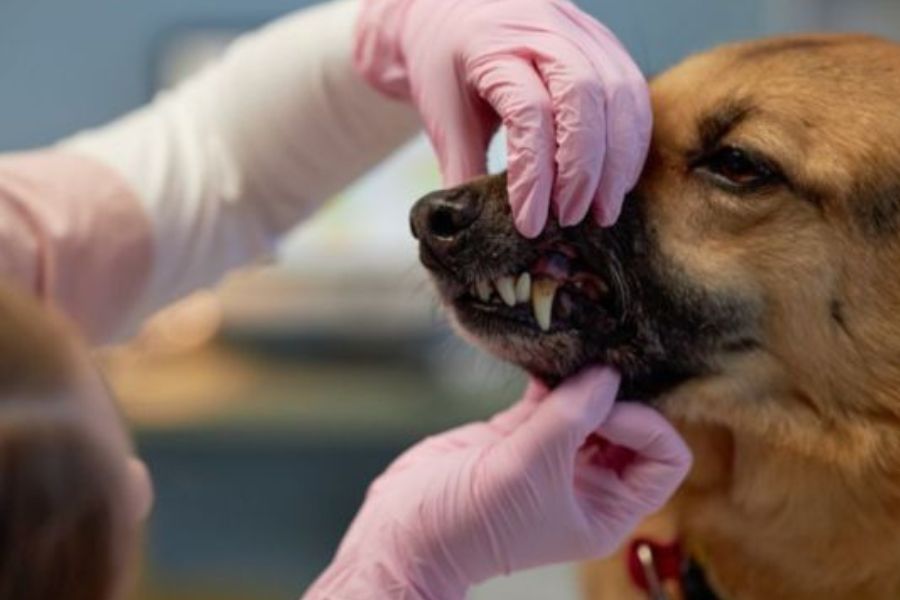
Health problems can also affect appetite. Stomach irritation, intestinal parasites, infection, swallowed objects, mouth discomfort, and other conditions may cause a puppy to refuse food. Appetite loss becomes more concerning when it lasts or appears with other changes.
How Long Can a Puppy Go Without Eating?
There is no single safe waiting period for every puppy. Age, size, health history, and access to water matter. Very young or small puppies can become unwell faster because they have limited energy reserves.
If your puppy misses a meal but remains bright, playful, hydrated, and active, monitor closely and offer the usual food later. A puppy refusing several meals or developing symptoms deserves prompt assessment.
Warning Signs That Need Immediate Attention
1. Vomiting or Diarrhea
Repeated vomiting or frequent diarrhea can cause fluid loss. Blood, black stool, severe diarrhea, or repeated attempts to vomit without producing anything should not be ignored.
2. Extreme Sleepiness or Weakness
A puppy difficult to wake, unsteady, or unable to stand needs prompt help. A normal nap differs from sudden unresponsiveness or unusual activity changes.
3. Pain or a Swollen Abdomen
Whining, trembling, hiding, a tense belly, repeated stretching, or reluctance to move can indicate discomfort. A swollen abdomen with retching or distress requires immediate attention.
4. Breathing or Gum Changes
Fast, difficult, noisy, or labored breathing is concerning. Pale, gray, blue, or unusually white gums also warrant prompt assessment. Healthy gums are generally moist and pink, though pigmentation can vary.
5. Dehydration or Reduced Urination
Dry or sticky gums, marked weakness, sunken-looking eyes, or very little urine can point to dehydration. Keep fresh water available, but do not force large amounts into a nauseated puppy.
What Should You Do If Your Puppy Refuses Food?
Note when your puppy last ate, food offered, water consumed, and whether urination and bowel movements seem normal. Check for vomiting, diarrhea, coughing, sneezing, pain, or unusual behavior.
Offer the normal diet. Avoid repeatedly changing foods or offering rich table scraps. Do not give human medications unless specifically recommended. If your puppy may have swallowed an object, medication, or toxic substance, seek prompt help rather than waiting.
When Should You Contact a Professional?
Call for guidance when appetite loss continues or appears with concerning symptoms. Very young, tiny, or recently ill puppies may require faster evaluation.
Keep useful details ready: your puppy’s age, breed, weight, last meal, water intake, medications, recent diet changes, symptoms, and anything they may have chewed or swallowed. These details help determine the next step.
Urgent Care for Pets: Know When to Act
Sometimes a puppy appears fine between symptoms, making changes harder to interpret. When appetite loss comes with repeated vomiting, severe diarrhea, weakness, breathing difficulty, abdominal swelling, or suspected harmful ingestion, timely care matters.
If you are unsure whether your puppy needs urgent care for pets, calling for professional guidance is a sensible step. Explain what you see, answer questions, and follow the recommended action.
Call us at 843-667-6720 for prompt urgent care when your puppy’s loss of appetite is accompanied by concerning signs.
How to Help Prevent Appetite Problems
Keep meals consistent and measure appropriate portions. Introduce diet changes gradually. Store food securely and keep medications, chemicals, toys, strings, and tempting objects out of reach.
Wellness visits help track growth, nutrition, vaccinations, dental development, and other needs. Watch normal eating habits to recognize meaningful changes early.
Conclusion
A puppy not eating should not cause panic, but it should not be dismissed when warning signs appear. Pay attention to appetite, hydration, energy, bathroom habits, and behavior. Acting early can help identify problems before they become more difficult to manage.
If you’re located in Florence, reach out to Palmetto Animal Hospital—where compassionate care and community come together for your pet’s well-being. When you are uncertain, clear communication with a trusted care team can help you make the safest decision for your puppy.
Frequently Asked Questions(FAQs):
1. Is it normal for a puppy to skip one meal?
A: One skipped meal can occur because of stress, teething, or food preferences. If your puppy remains energetic, drinks normally, and shows no other symptoms, monitor closely and offer the usual food later.
2. When should I worry about a puppy not eating?
A: Concern rises when appetite loss continues, occurs in a very young puppy, or appears with vomiting, diarrhea, weakness, pain, dehydration, breathing changes, or unusual behavior. These signs justify prompt professional guidance rather than prolonged observation.
3. Can teething cause a puppy to stop eating?
A: Teething can make chewing uncomfortable and may temporarily reduce interest in dry food. Softer food may help some puppies, but complete refusal to eat, significant pain, lethargy, or other symptoms should receive professional attention.
4. Should I force my puppy to eat?
A: Do not force food into your puppy’s mouth. This can increase stress and may create a choking risk. Offer the normal diet calmly and monitor water intake. Seek guidance if refusal continues or other warning signs appear.
5. What if my puppy is not eating but drinking water?
A: Drinking is reassuring, but it does not rule out illness. Monitor energy, stool, urination, vomiting, and behavior. Continued food refusal or any concerning symptom should prompt a call for professional advice.
6. Can a puppy not eating be a sign of something serious?
A: Yes. Appetite loss can accompany digestive problems, infection, parasites, pain, swallowed objects, or other health concerns. The risk depends on the puppy’s age, symptoms, and overall condition, so context matters.