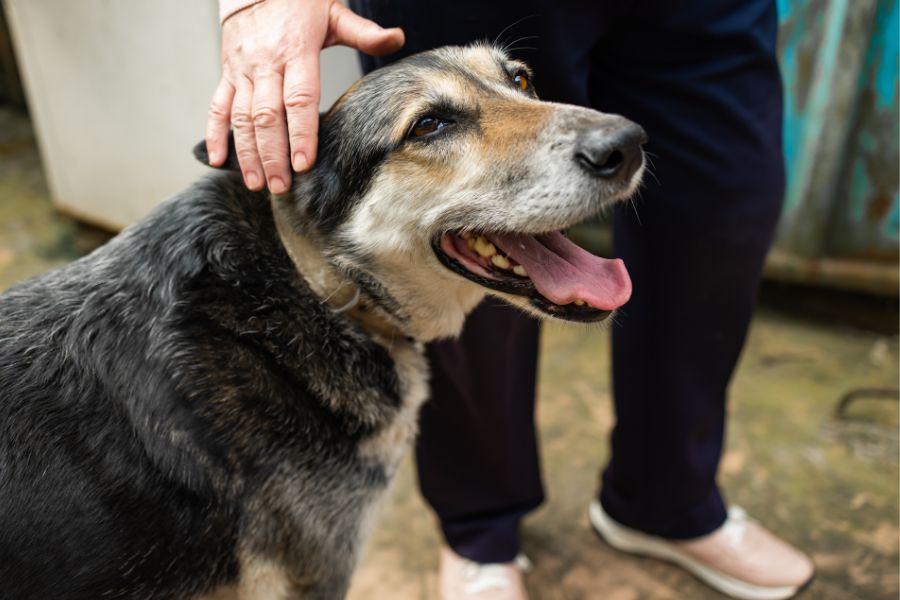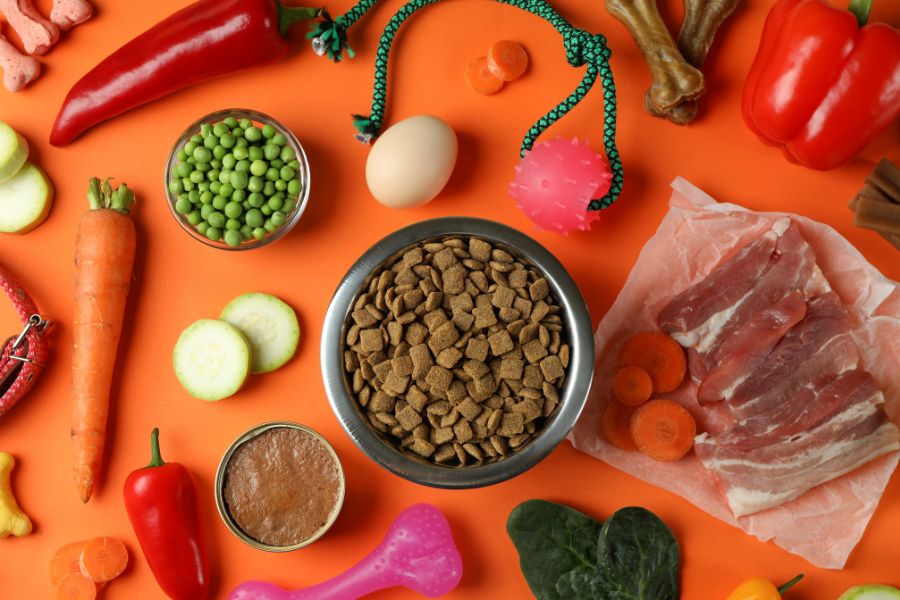
As your cat or dog gets older, their nutritional needs shift in ways that really matter. Senior pets need food that supports their joints, heart, kidneys, and immune system—not just calories. This guide covers the best foods for aging cats and dogs, what ingredients to look for (and avoid), how to spot signs that your pet’s diet needs a change, and practical tips to keep your senior companion thriving longer.
When Does a Pet Become a “Senior”?
Dogs are generally considered senior around age 7, though large breeds age faster and may enter their senior years at 5 or 6. Cats typically reach senior status around 10–12 years old. Once this milestone hits, their metabolism slows, muscle mass tends to decline, and certain organs become more vulnerable. Adjusting their diet at this stage can make a meaningful difference in quality of life.
Key Nutritional Needs of Senior Pets
1. High-quality protein to preserve muscle
Contrary to an old myth, most healthy senior dogs and cats actually need more protein, not less, to maintain lean muscle mass. Look for named animal proteins—chicken, turkey, salmon, or lamb—listed as the first ingredient on the label. Protein from real meat sources is more bioavailable and easier for aging digestive systems to process than plant-based alternatives.
2. Controlled phosphorus for kidney health
Kidneys are one of the most common points of concern in older pets, especially cats. Diets with moderately reduced phosphorus can ease the workload on aging kidneys and slow the progression of kidney disease. If your pet has already been diagnosed with kidney issues, your veterinarian near you can recommend a therapeutic kidney diet tailored to their specific condition.
3. Omega-3 fatty acids for joints and cognition
Fish oil and other sources of omega-3 fatty acids—like salmon, sardine, or herring—help reduce inflammation in arthritic joints and may support brain health in aging animals. Many senior pet foods now include added EPA and DHA, the two most beneficial omega-3s. This is one of the most well-supported nutritional upgrades you can make for an older pet.
4. Fiber for gut health and weight management
Older pets are more prone to constipation, weight fluctuation, and gut slowdown. Moderate fiber from ingredients like sweet potato, pumpkin, or brown rice can improve digestive regularity without overloading a sensitive stomach. In cats, especially, digestibility matters enormously—a food can look nutritious on the label but pass through with poor absorption if it’s not formulated well.
Look for:
Named proteins first, omega-3s, antioxidants (vitamins E & C), controlled phosphorus, glucosamine, probiotics
Avoid:
Excessive sodium, artificial preservatives (BHA/BHT), vague “meat by-product meal,” high-sugar fillers, and unnamed fats
Best Foods for Senior Dogs
Senior dog food should prioritize lean protein, joint support, and calorie moderation. Many older dogs gain weight as activity levels drop, which strains already-vulnerable joints. Look for foods labeled “senior” or “mature” that include:
- Glucosamine & chondroitin
- Salmon or fish meal
- Pumpkin or sweet potato
- Antioxidant-rich vegetables
- Prebiotics or probiotics
- L-carnitine for metabolism
Wet food can be especially helpful for seniors who’ve developed dental problems or reduced thirst drive, since it provides hydration alongside nutrition. For dogs with specific issues like arthritis, heart disease, or diabetes, a prescription diet may be more appropriate—worth discussing with a professional.
Homemade and fresh food options
Some pet owners choose cooked or fresh meal services for senior dogs. These can be excellent if properly balanced—but the balance is the critical part. A home-cooked diet that’s high in protein but missing key minerals like calcium or trace elements can cause long-term deficiencies. Consult a board-certified veterinary nutritionist before committing to a homemade diet.
A trusted veterinarian can run a simple blood panel to check your senior dog’s organ function and flag any deficiencies before they become problems. Annual or biannual wellness exams are especially important once your dog reaches their senior years.
Best Foods for Senior Cats
Cats are obligate carnivores, which means protein from animal sources is non-negotiable at every life stage—but especially in older cats who absorb nutrients less efficiently. Senior cat foods should be:
High in digestible animal protein · Rich in moisture (wet or raw-cooked) · Low to moderate in carbohydrates · Supplemented with taurine for heart and eye health · Thoughtfully portioned to prevent both obesity and muscle loss
Dehydration is a silent threat in older cats, particularly those on dry-food-only diets. Since cats evolved as desert animals with a naturally low thirst drive, transitioning a senior cat to wet food—or adding a cat water fountain—can meaningfully reduce the risk of urinary tract issues and kidney disease.
Managing common senior cat conditions through diet
Hyperthyroidism, chronic kidney disease (CKD), and diabetes are among the most frequently diagnosed conditions in older cats. Each has dietary implications. Cats with CKD benefit from lower phosphorus and controlled protein; diabetic cats do better on high-protein, low-carbohydrate diets; hyperthyroid cats being managed with medication may need calorie-dense food to maintain weight. These situations call for personalized guidance rather than a one-size approach.
Reading Pet Food Labels for Senior Nutrition
The ingredient list is only part of the picture. The guaranteed analysis tells you the minimum protein and fat percentages, but not their quality or digestibility. Look for an AAFCO statement confirming the food is “complete and balanced” for senior or all life stages. Foods that have been tested through actual feeding trials carry more weight than those whose formulation was only calculated on paper.
Watch for marketing language like “natural,” “holistic,” or “grain-free”—these terms have no regulatory definition and say nothing about whether a food is appropriate for an aging pet. Focus on the ingredient quality and AAFCO compliance rather than front-of-bag claims.
Supplements Worth Considering
While a well-formulated senior diet should cover most bases, a few supplements have solid evidence behind them for aging pets. Fish oil (omega-3) is among the most studied for joint and heart support. Probiotics can help stabilize gut flora in pets prone to digestive upset.
Glucosamine and chondroitin are commonly added to senior dog foods, but can also be given separately for dogs with diagnosed arthritis. Always check with your senior pet’s care provider before adding anything to their regimen, as some supplements interact with medications or become problematic at high doses.
Conclusion
Feeding your senior pet well is one of the most impactful things you can do for their comfort and longevity. Prioritize digestible, high-quality protein, watch for age-related health signals, and don’t underestimate the role of hydration and regular checkups. A tailored approach—matched to your individual pet’s condition, weight, and health history—will always outperform generic senior food claims.????
If you’re located in Florence, reach out to Palmetto Animal Hospital—where compassionate, personalized care meets real community values. Whether your senior pet needs a nutritional consultation, a wellness exam, or guidance on managing a chronic condition, their team is here to help your companion age as comfortably and happily as possible.
Frequently Asked Questions(FAQs):
1. What is the best food for a senior dog with joint pain?
Look for foods with added glucosamine, chondroitin, and omega-3 fatty acids (EPA and DHA). Wet food can also ease discomfort during meals for dogs with dental sensitivity, alongside joint issues.
2. Should I switch my older cat to a senior-specific cat food?
Not necessarily—some senior cat foods reduce protein, which can actually worsen muscle loss. Choose a food based on your cat’s individual health status, ideally after a checkup with a professional.
3. How much should I feed my senior dog or cat?
Senior pets generally need 10–20% fewer calories than adults due to lower activity levels, but muscle-wasting cats may need more. Portion based on ideal body weight, not current weight.
4. Is wet food or dry food better for aging pets?
Wet food offers hydration benefits that are especially helpful for senior cats and dogs with kidney concerns or reduced thirst. A combination of both is a common and effective approach.
5. Can I give my senior pet human food?
Some human foods—plain cooked chicken, blueberries, carrots—are safe in moderation. Others, like onions, grapes, xylitol, and processed meats, are dangerous. When in doubt, avoid and consult a professional.
6. How do I know if my senior pet’s current food isn’t working?
Watch for weight changes, dull coat, low energy, digestive issues, or increased water consumption. These can all signal that a dietary adjustment—or a health check—is needed.