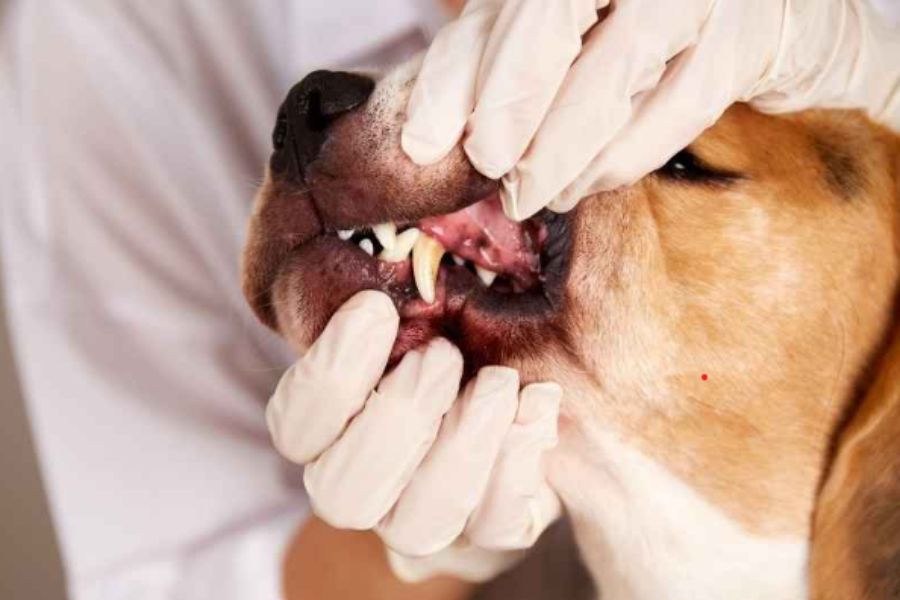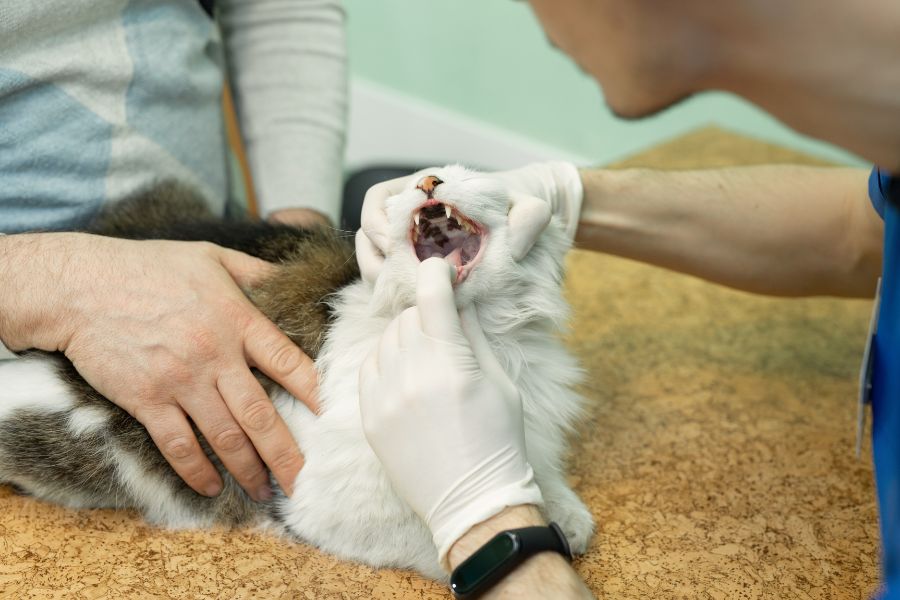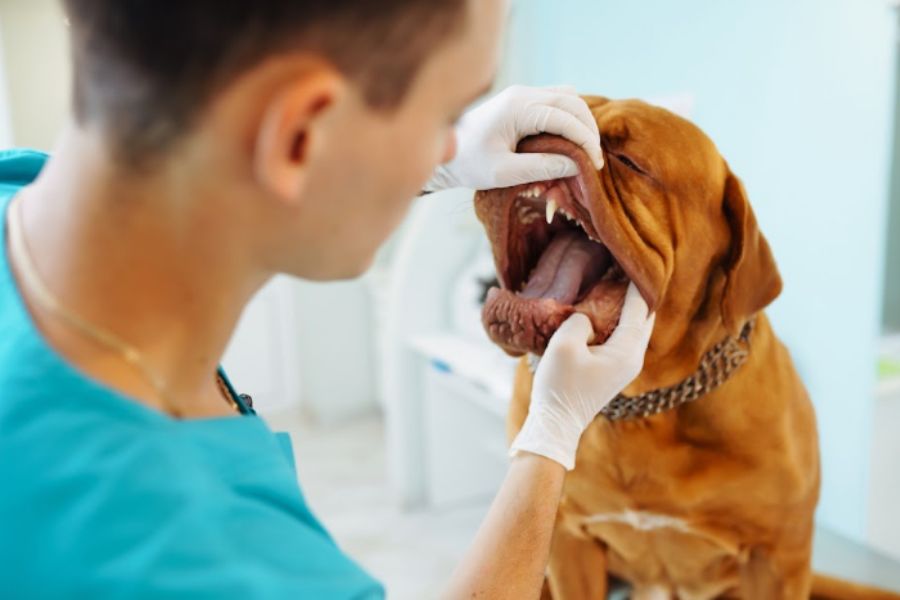
Many pet owners notice bad breath or yellow buildup on their dog’s or cat’s teeth and assume it is normal. Dental problems in pets often begin quietly. Small signs grow into serious health concerns when ignored for long periods.
Gum irritation, infection, tooth loss, and discomfort can develop. Bacteria from the mouth may travel through the bloodstream and affect important organs. Early awareness allows families to protect their companions from unnecessary pain and illness.
Understanding the risks of untreated dental disease helps owners make better choices for daily care and professional checkups. Good habits support strong teeth, healthy gums, and a better quality of life. Maintaining pet dental health is a key part of responsible pet ownership. Many families in Florence, SC, share homes with dogs and cats who rely on them for consistent care and attention.
Why Dental Disease Develops in Pets
Dental disease usually starts with plaque, a sticky layer of bacteria that forms on teeth after eating. When plaque stays on the teeth, it hardens into tartar. Tartar collects along the gum line and irritates the surrounding tissue.
Common causes include:
1. Poor Oral Hygiene
Pets rarely receive daily brushing unless owners build the habit early. Food particles remain on the teeth and allow bacteria to grow.
2. Diet and Chewing Habits
Soft food diets and limited chewing activity can increase plaque buildup. Crunchy foods or approved dental chews often help reduce accumulation.
3. Age and Genetics
Older pets often show more dental wear. Some small breeds develop dental crowding, which traps debris between teeth.
Without regular care, mild plaque develops into gum disease that damages teeth and surrounding tissue.
Pain and Discomfort That Often Go Unnoticed
Pets rarely show obvious signs of pain. Many animals continue eating and playing even when their mouths feel sore. Subtle behavior changes often reveal hidden discomfort.
Common Signs to Watch
- Persistent bad breath
- Drooling more than usual
- Pawing at the mouth
- Red or swollen gums
- Difficulty chewing food
- Reduced appetite
Owners sometimes mistake these symptoms for normal aging. A painful mouth can affect mood, energy, and appetite. Pets may avoid chew toys or hard food.
Long periods of untreated dental disease can lead to loose teeth, infections, and gum damage. Pain reduces a pet’s daily comfort and enjoyment of normal activities.
When Dental Disease Affects the Entire Body
Oral infections do not always stay in the mouth. Bacteria can enter the bloodstream through inflamed gums. Once inside the body, these bacteria may travel to major organs.
Possible Health Complications
- Heart strain: Bacteria may contribute to inflammation affecting heart function.
- Kidney stress: Infection in the bloodstream can impact kidney health over time.
- Liver issues: The liver works to filter harmful bacteria circulating in the blood.
- Chronic inflammation: Ongoing infection weakens the immune system.
Serious complications develop slowly. Many pet owners do not realize that dental infections can influence long-term wellness. Protecting pet dental health reduces the risk of these systemic problems and supports a longer, healthier life.
Prevention Makes a Big Difference
Preventing dental disease is easier than treating advanced infection. A few simple steps protect teeth and gums throughout a pet’s life.
Helpful Prevention Habits
- Brush your pet’s teeth with a pet-safe toothpaste several times each week
- Provide dental chews approved for dogs or cats
- Schedule routine oral exams during wellness visits
- Offer safe chew toys that encourage natural cleaning
Local pet owners often enjoy outdoor walks, backyard playtime, and family activities with their animals. Healthy teeth support active lifestyles. Pets with comfortable mouths eat normally, stay energetic, and interact happily with their families.
Learning More About Your Pet’s Care Options
Dental care works best as part of a complete wellness plan. Professional exams allow veterinarians to check the teeth, gums, and overall health of your pet. Early care prevents serious complications and reduces treatment costs later.
If you would like to explore preventive care, diagnostics, and other services designed to support your pet’s long-term well-being, visiting the hospital website can provide helpful details about available care options and appointment scheduling.
Conclusion
Dental disease affects more than just the mouth. An untreated infection can cause pain, reduce appetite, and impact important organs. Preventive care protects both comfort and long-term health. Regular exams, brushing, and early treatment keep pets active and happy with the families who love them.
We are conveniently located in Florence, SC, and welcome you to our facility at 2221 2nd Loop Rd, Florence, SC 29501—where compassionate care and community come together for your pet’s well-being. Book an appointment with Palmetto Animal Hospital.
Frequently Asked Questions(FAQs):
1. How common is dental disease in pets?
A: Dental disease affects a large percentage of dogs and cats over the age of three. Plaque buildup begins early. Without routine brushing or professional cleanings, tartar forms quickly and leads to gum inflammation and infection.
2. Is bad breath in pets always a dental problem?
A: Persistent bad breath often signals bacterial buildup in the mouth. An occasional odor may come from food. Strong, ongoing odor usually indicates plaque, tartar, or gum infection that requires a professional dental examination.
3. Can dental disease shorten a pet’s life?
A: Severe dental infections can affect organs such as the heart, kidneys, and liver. Chronic inflammation may weaken overall health. Early dental care reduces the chance of these complications and helps pets live healthier lives.
4. How often should my pet’s teeth be professionally cleaned?
A: Many pets benefit from dental cleanings once a year. Some animals with faster tartar buildup may require more frequent care. A veterinarian can recommend the best schedule based on your pet’s age, breed, and oral condition.
5. What happens during a professional dental cleaning?
A: A dental cleaning typically includes plaque removal, tartar scaling, polishing, and a thorough oral exam. The procedure allows the care team to evaluate gum health, identify damaged teeth, and address hidden infections.
6. Can I prevent dental disease at home?
A: Yes. Brushing your pet’s teeth, offering dental chews, and helping safe chew toys control plaque buildup. Routine veterinary exams also play an important role in catching early signs of dental disease.