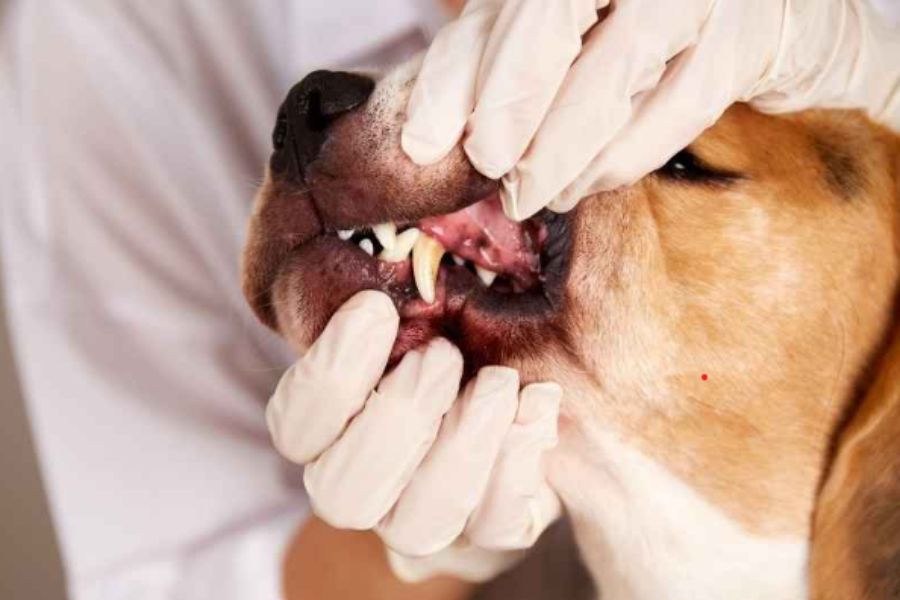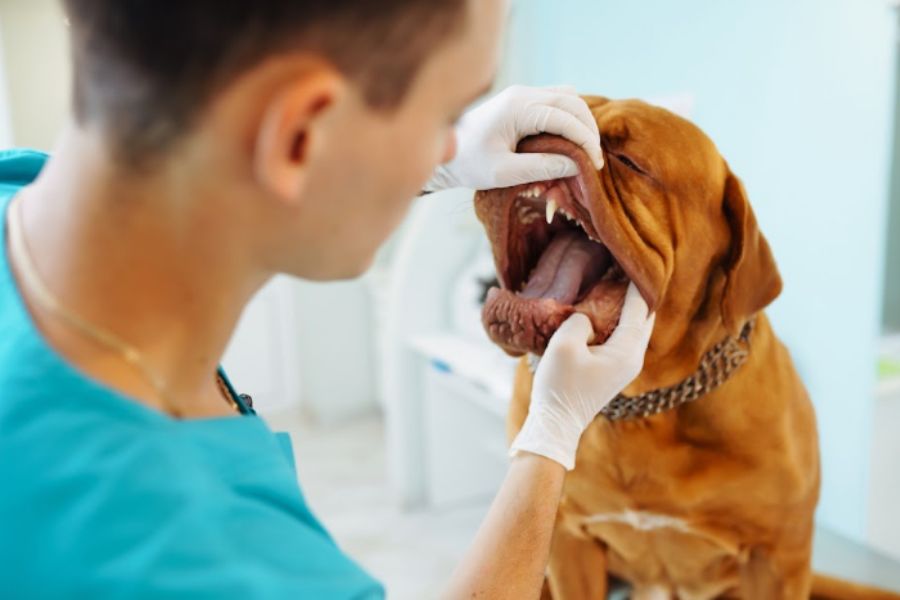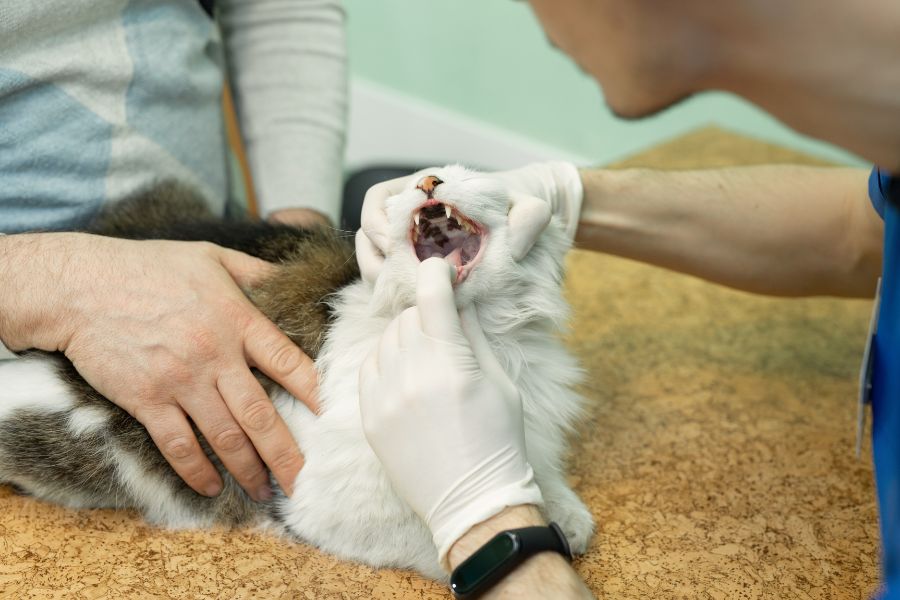
If you have ever wondered how many teeth cats have, this guide explains the full journey from tiny kitten teeth to a complete adult smile. You will learn when teeth appear, why counts change, what each tooth does, and how daily care supports lifelong comfort.
The article also covers common concerns, feeding tips during teething, and signs that deserve attention, helping you make confident choices. By the end, you will understand timelines, tooth functions, and practical care steps that fit real homes in Florence, SC.
Why Dental Development Matters
A cat’s mouth plays a major role in eating, grooming, and play. Kittens who receive gentle handling and basic cleaning accept care as adults. Paying attention to changes in the mouth helps owners catch problems early, when solutions feel simpler.
Kitten Teeth: What Comes First
Kittens arrive toothless. Around two to three weeks of age, the first baby teeth emerge. These temporary teeth are called deciduous teeth. They appear in a predictable order: tiny front incisors, pointed canines, and small premolars along the sides.
By six to eight weeks, most kittens have a full set of baby teeth. The total count reaches 26. These teeth look sharp and delicate. They help kittens learn to chew soft foods and explore toys. Because roots sit close to the surface, baby teeth loosen easily during growth.
Teething Timeline and Behaviors
Between three and six months, kittens begin to lose baby teeth as adult teeth push upward. You may notice dropped teeth on the floor or in food bowls. Many kittens swallow them without issue. During this period, chewing increases, gums may look pink, and biting feels stronger. Offer safe chew toys and softer meals to reduce discomfort.
Adult Cat Teeth: The Final Set
Adult teeth replace baby teeth gradually. By six to seven months, most cats finish the transition. A healthy adult mouth holds 30 teeth. The set includes incisors for nibbling, canines for gripping, premolars for slicing, and molars for crushing.
Each tooth has a job. Incisors tidy fur and pick up small bits. Canines anchor prey and toys. Premolars and molars work like shears, breaking food into swallowable pieces. This design suits a meat-based diet and quick chewing.
Midway through life, many owners ask how many teeth cats have because changes become visible. Counting teeth at home takes patience. Lift the lips gently while your cat relaxes. A quick look confirms presence and placement. Missing teeth may not affect eating right away, though they can signal past gum trouble.
Common Developmental Changes
Some cats keep a baby canine longer than expected. This creates a “double tooth” look. Food collects in tight spaces, raising plaque risk. A simple exam resolves it. Mild gum redness during teething often fades. Persistent swelling, drooling, or refusal to eat deserves prompt care.
Crowding varies by face shape. Flat-faced breeds show tighter spacing. Wider jaws offer more room. Genetics influence enamel strength and alignment. Good diet and cleaning habits shape outcomes after adulthood.
Simple Care at Every Stage
Start early. Touch the lips daily, reward calm behavior, and introduce a soft brush. Use pet-safe toothpaste only. Short sessions work best. Dry kibble helps scrape surfaces, though brushing removes plaque more effectively. Dental treats add support when chosen wisely.
Water intake matters. Fresh bowls encourage drinking, which helps wash away debris. Schedule routine checks to spot tartar and gum changes. Home care combined with professional cleanings keeps breath fresher and meals more comfortable.
Feeding Tips During Growth
Young kittens benefit from moistened food while their teeth are developing. As adult teeth settle, offer a mix of textures to promote chewing. Avoid bones and hard objects that can fracture teeth. Measure portions to prevent weight gain, which worsens inflammation.
Conclusion
Dental development shapes comfort, appetite, and play from kittenhood through the senior years. Watch timelines, support teething with safe chews, brush regularly, and schedule routine exams. Small habits prevent big problems.
Daily attention keeps mouths healthy and meals enjoyable for years to come with patience and consistency, shared routines, gentle handling, and positive rewards every single day. If you are in Florence, SC, and looking for veterinary dental care, book an appointment with Palmetto Animal Hospital for cats everywhere today.
Frequently Asked Questions(FAQs):
1. How many teeth do kittens have?
A: Most kittens develop 26 baby teeth by eight weeks. These temporary teeth fall out as adult teeth arrive between three and six months. Owners often notice extra chewing and mild gum redness during this normal change.
2. At what age do adult teeth finish coming in?
A: Adult teeth usually finish erupting by six to seven months. By then, the total reaches 30. Individual timelines vary by breed and growth rate, though the sequence remains consistent across most cats.
3. Is it normal to find a kitten tooth on the floor?
A: Yes. Many kittens drop baby teeth while playing or eating. Others swallow them without harm. If a baby canine remains beside an adult one, schedule a check to prevent food trapping.
4. What signs suggest dental trouble?
A: Bad breath, pawing at the mouth, drooling, bleeding gums, or sudden food refusal indicate discomfort. Early care prevents deeper problems. Gentle weekly checks help owners notice changes before pain affects appetite.
5. Can missing teeth affect eating?
A: Many cats adapt well, especially when premolars are missing. Softened food helps. Ongoing gum care remains important because remaining teeth carry an extra workload, which can speed plaque buildup without brushing.
6. How often should I brush my cat’s teeth?
A: Daily brushing offers the best results, though three times weekly still helps. Keep sessions brief. Pair brushing with treats and calm praise so your cat associates mouth care with positive moments.
7. How many teeth do cats have compared to dogs?
A: Cats have 30 adult teeth, fewer than dogs, which typically have 42. Fewer teeth mean tighter spacing, so plaque forms faster in cats. Consistent cleaning and regular checks make a big difference.