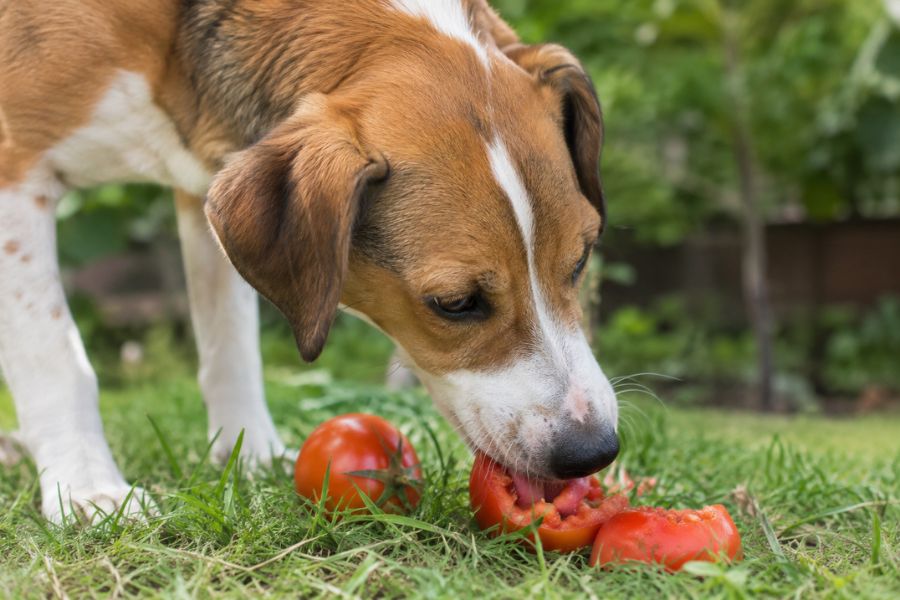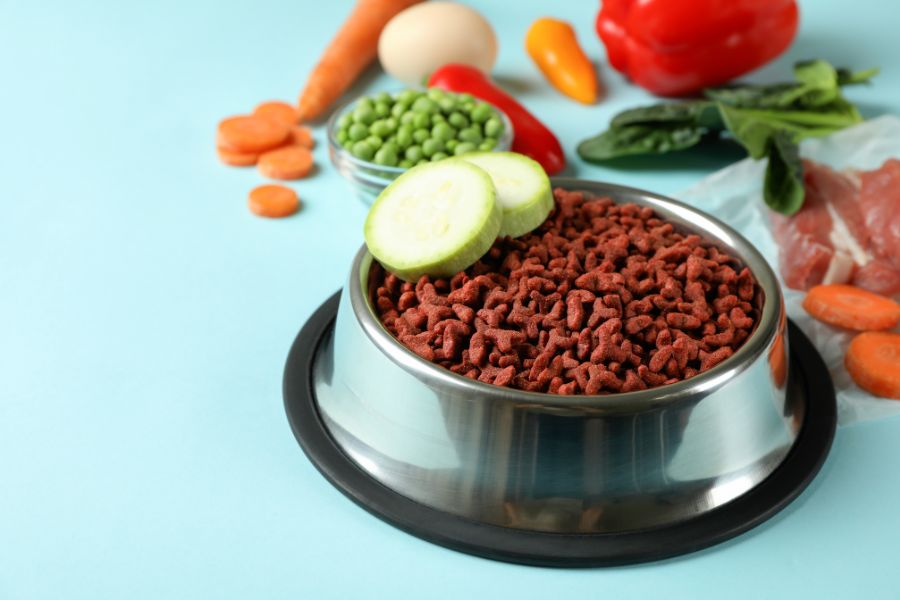
Food reactions cause real stress for dogs and the people who care for them. Many cases trace back to beef, dairy, or wheat, ingredients found in many popular recipes. This guide explains how to choose dog food for allergies with clear steps, honest details, and practical tips.
You will learn how reactions start, what ingredients help, how to read labels, and when to ask for help. Dog owners in Florence and beyond can use this guide to make calm, confident choices that support comfort, digestion, skin health, and long term wellbeing.
Why Beef, Dairy, and Wheat Cause Problems
1. Common triggers explained
Beef tops the list of food triggers for dogs. Dairy causes trouble because many dogs struggle with lactose. Wheat can irritate sensitive systems and cause itching or loose stools. Reactions show up as itchy skin, ear issues, paw licking, gas, or changes in stool. Symptoms often build over time, which makes the cause harder to spot.
2. How reactions develop
Dogs eat the same food daily. The body can react after repeated exposure. The immune system treats a common protein as a threat and responds with inflammation. Once this pattern starts, symptoms continue until the ingredient is removed. A simple diet change often brings relief within weeks.
What to Look for in a Safer Formula
1. Limited ingredients matter
Short ingredient lists reduce guesswork. Limited-ingredient diets focus on one main protein and one main carb. This approach lowers the chance of reactions and helps you identify what works. Look for recipes that skip beef, dairy, and wheat completely.
2. Novel and gentle proteins
Proteins like salmon, turkey, duck, lamb, or venison suit many sensitive dogs. Fish-based recipes offer omega fats that support skin comfort. These proteins appear less often in standard foods, which lowers the risk of a reaction.
3. Smart carbohydrate choices
Sweet potatoes, peas, chickpeas, and brown rice provide energy without common wheat issues. These carbs digest well and support steady energy. Grain-free is not required for every dog, but wheat-free often helps.
How to Read Labels Without Guesswork
Ingredient lists appear simple yet hide problems. Check the first five ingredients since they make up most of the food. Watch for hidden beef or dairy terms such as beef fat, whey, casein, or cheese flavor. Avoid vague terms like meat byproduct. Clear labels show clear thinking.
Dry, Wet, or Fresh, What Works Best
Dry food offers convenience and value. Wet food helps hydration and appeals to picky eaters. Fresh or gently cooked meals offer control and transparency when prepared well. The best choice depends on your dog’s taste, budget, and needs. Consistency matters more than format.
How Long Does It Take to See Results
Most dogs show changes within four to eight weeks after a full switch. Skin calms, stools firm, and energy steadies. Avoid treats with the old ingredients during this time. Even small slips can delay results. Patience pays off.
When Professional Guidance Helps
Some dogs need extra support. Ongoing itching, weight loss, or ear pain deserves attention. A food trial guided by a professional can narrow the cause and protect nutrition. Pet families in Florence often seek support from Palmetto Animal Hospital for steady guidance without pressure.
Mid-Article Takeaway
Choosing dog food for allergies works best when you focus on simple ingredients, steady routines, and honest labels. Skip beef, dairy, and wheat, then track changes with care. Small choices add up to real comfort.
Practical Tips for Everyday Feeding
Feed measured portions at the same times daily. Introduce new food over seven to ten days. Keep water fresh. Store food in a cool, dry place. Write down changes in skin, stool, and mood. These habits support success.
Consistency brings results. Stick with one formula long enough to judge it fairly. Avoid table scraps. Keep feeding simple. Dogs thrive on routine. Calm changes reduce stress and support digestion, skin balance, and steady energy over time for many sensitive pets daily.
Final Thoughts and Next Steps
Food choices shape daily comfort. With careful label reading and steady habits, many dogs feel better without complex plans. If your dog shows signs of sensitivity, start with smart ingredient swaps and patience. For ongoing concerns, book an appointment with Palmetto Animal Hospital in Florence to review options. The right dog food for allergies can restore comfort and help your dog enjoy each day again.
Frequently Asked Questions(FAQs):
1. How do I know if beef causes my dog’s reaction
A: Beef reactions often cause itching around the ears and paws, plus stomach upset. Improvement after removing beef for several weeks gives a clear clue. Keep notes and avoid mixed treats during the trial.
2. Is dairy always bad for dogs
A: Many dogs handle small amounts, but sensitive dogs do not. Dairy can cause gas, loose stools, or itching. Removing it during a food trial helps you see if it plays a role.
3. Does wheat-free mean grain-free
A: No. Wheat-free foods may include rice or oats. Grain-free removes all grains. Some dogs do well with rice. Focus on your dog’s response, not trends.
4. Can puppies eat limited-ingredient food
A: Yes, when the formula meets growth needs. Choose recipes labeled for all life stages. Monitor weight and energy. Ask for guidance if you see slow growth or low appetite.
5. How fast should I switch foods
A: Switch over in seven to ten days. Mix increasing amounts of the new food with the old. This pace protects digestion and reduces stress.
6. Are treats a problem during a food trial
A: Yes. Treatments with beef, dairy, or wheat can restart symptoms. Use single-ingredient treats that match the main food to keep results clear.
7. What if symptoms do not improve
A: Lack of change may mean another trigger or a non-food cause. Seek advice to review diet, environment, and care steps without delay.